ChatGPT’s New Intelligent UI: How Well Does It Actually Work?
A New Step in AI Development
Competition in the AI chatbot market is intensifying daily. Users frequently switch between platforms like Gemini and Claude, but OpenAI has recently taken a step that could radically change our relationship with chatbots. With the release of ChatGPT 6, the platform added the 'Intelligent UI' feature, which aims to replace standard text responses with interactive interfaces.
Traditionally, ChatGPT struggled to create complex, visually polished interactive elements directly within the chat window. Previously, achieving similar results often required paid subscriptions, such as Claude Pro, where 'Artifacts' allowed users to build dashboards and budget management tools. However, this process often involved generating complex and bulky HTML code.
What Does Intelligent UI Offer?
The main advantage of Intelligent UI is its accessibility. The feature is integrated directly into the standard chat mode and is completely free for all users. OpenAI's goal is for the chatbot to move beyond being a mere information provider and transform into a tool that creates a functional workspace for the user.
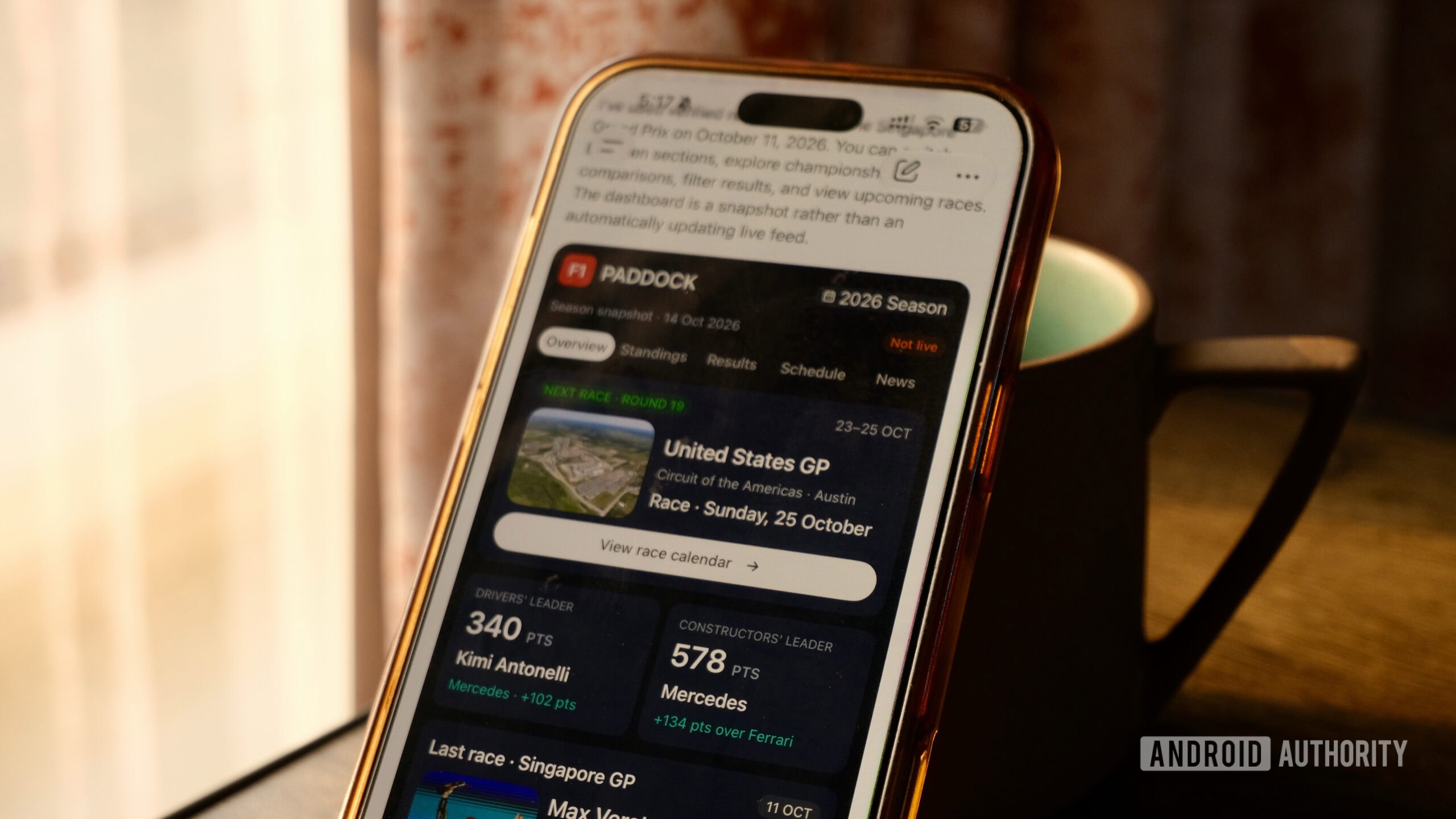
During our testing process, several small-scale applications were created using Intelligent UI. The idea is for the user to stop wasting time on coding or installing separate software. Instead, the chatbot generates an interface that is ready to use. However, initial observations show that the technology is still in its early stages.
Expectations vs. Reality
Although Intelligent UI looks impressive, it is still far from perfect. In many cases, the generated interfaces can be unstable or limited in functionality. When compared to solutions offered by competitors, it is clear that OpenAI still has much work to do before this tool can be used at a truly professional level.
For users who actively use AI in their daily work, this update opens up interesting possibilities. While it is not yet a replacement for full-fledged applications, it signals the direction in which the technology industry is heading. In the future, the improvement of such tools will significantly simplify routine tasks, such as data visualisation or building basic management schemes for small businesses.