ChatGPT’s New Feature: How to Create Games Directly in Chat
Gaming Directly in Chat
OpenAI has unveiled its latest artificial intelligence model, GPT-6, which elevates the user experience with chatbots to a new level. One of the most impressive features is the new 'Intelligent UI.' This functionality allows ChatGPT to generate not only text responses during a conversation but also interactive elements, including buttons, diagrams, forms, and, most notably, gaming consoles.
Through Intelligent UI, users can create a game with a simple prompt that runs directly within the browser or application window. This goes beyond simple code generation; the system handles the visual design and control panel itself. The possibilities are vast, ranging from classic arcade games to complex logic puzzles.
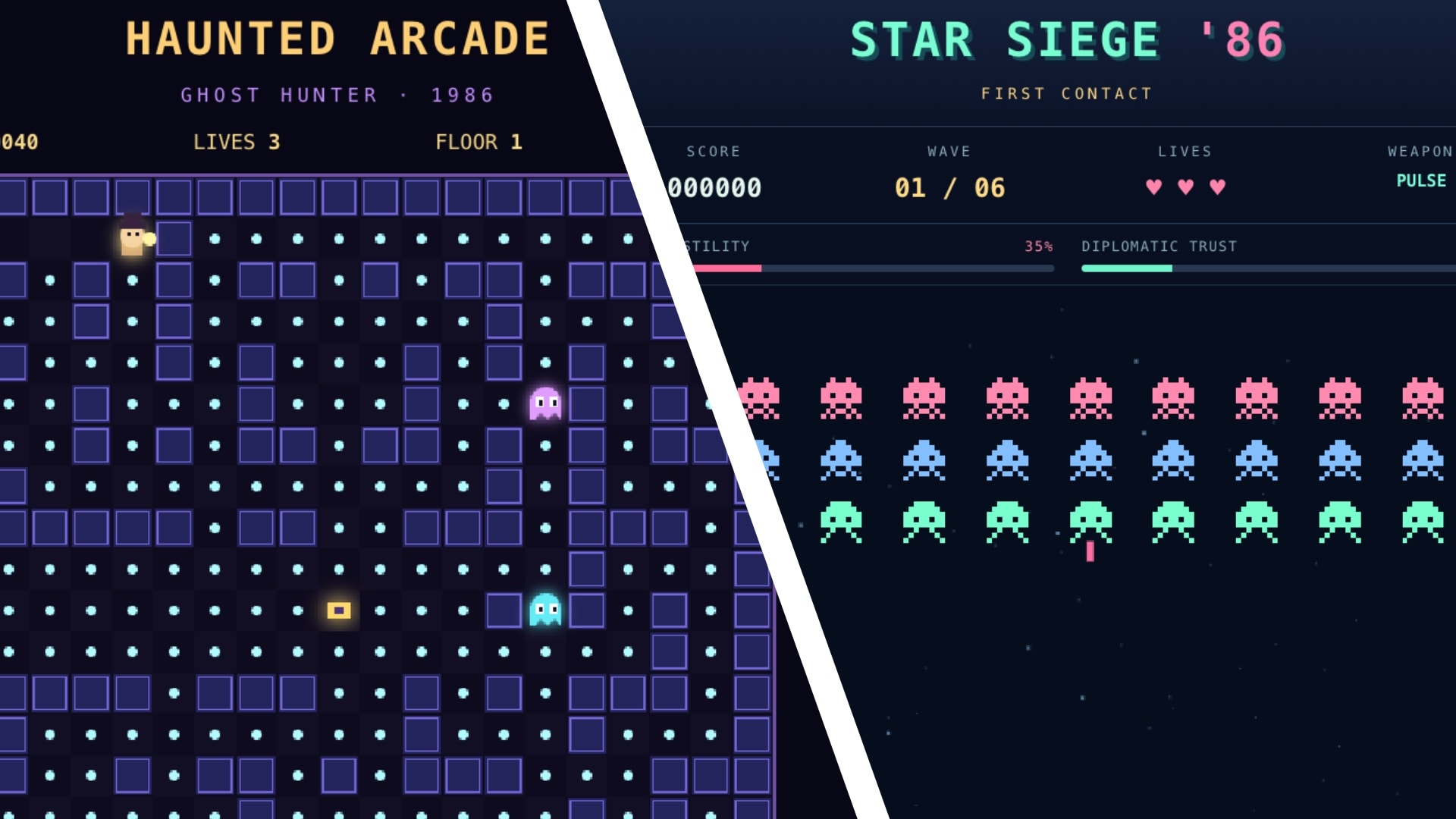
Experiments have shown that ChatGPT excels at recreating classics such as Snake, Tetris, Space Invaders, Pac-Man, and Pong. However, the system's true strength lies in its creativity. Users are not limited to copying existing titles; they can modify them—such as transforming Snake into a neon cyberpunk style or introducing dynamic rules to Tetris that shift whenever a line is cleared.
Creative Experiments
When recreating games, ChatGPT has demonstrated the ability to manage complex mechanics. For example, in a version of Space Invaders, it is possible to introduce elements like choosing between negotiating with or fighting aliens, adding a strategic layer to the gameplay. Similarly, for Pac-Man, the system created 'Maze Muncher,' where the map changes dynamically and allows players to use special bonuses.
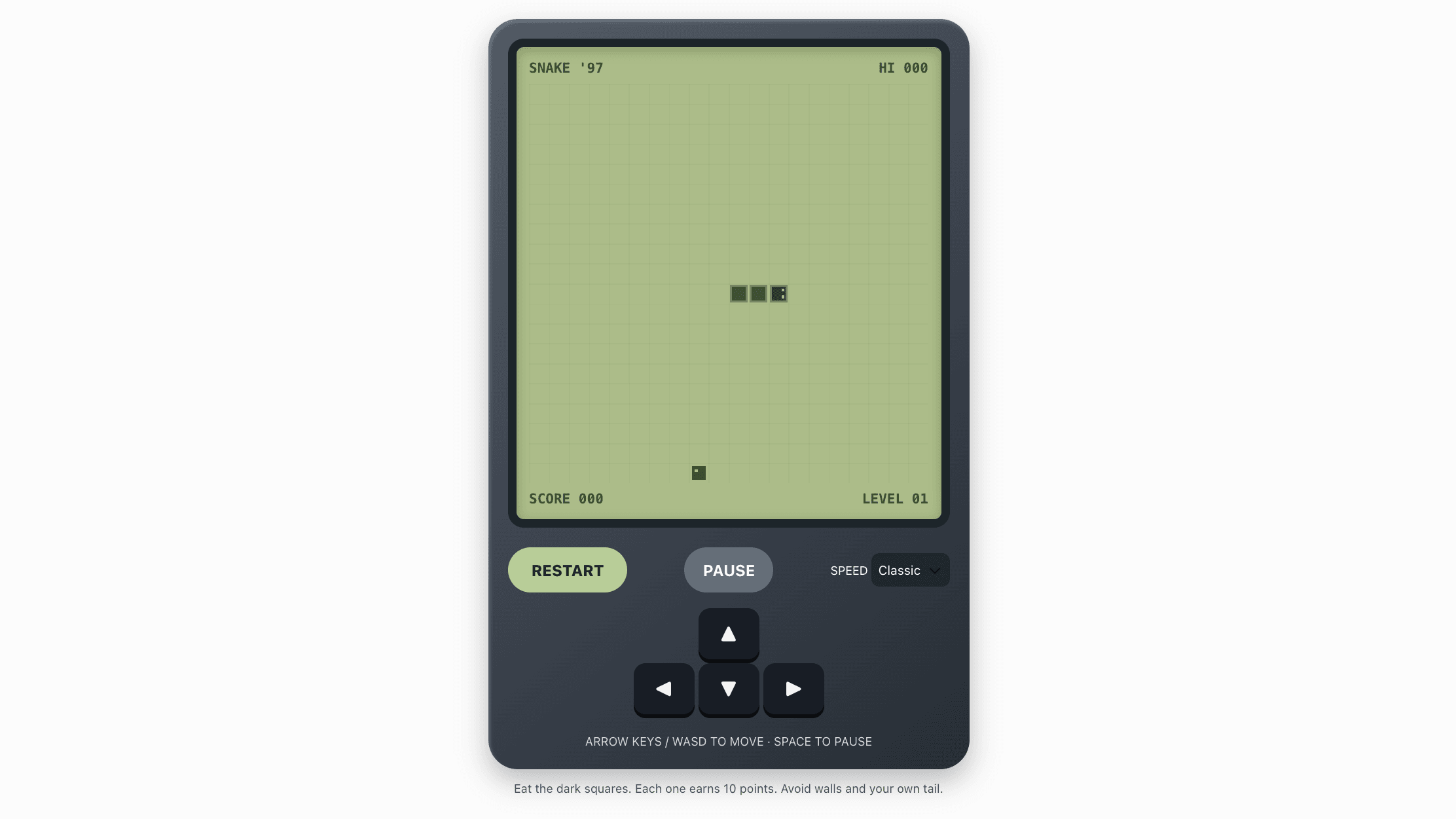
Of course, the process is not always perfect. Sometimes the chatbot provides raw code instead of a playable game, but with a simple follow-up prompt, it easily corrects the error and generates the interactive window. The controls are quite responsive, and the visuals are sufficient for short bursts of entertainment.
What This Means for Users
This development shows that artificial intelligence is no longer just a tool for providing information; it is becoming a platform where users can realize their own ideas. The ability to create a mini-game, change its rules, and add new mechanics at any time holds great potential not only for entertainment but also for education and design.
While original versions of classic games remain industry benchmarks, this feature allows us to add a fresh, unexpected twist to nostalgia. In the near future, it is likely that such interactive experiences will become even more refined, further diversifying how we interact with chatbots.