ChatGPT Is Now Integrated Directly Into Your Smartphone Messages
OpenAI has launched ChatGPT Dot integration for Google Messages and iMessage, allowing users to interact with their AI assistant via standard SMS.
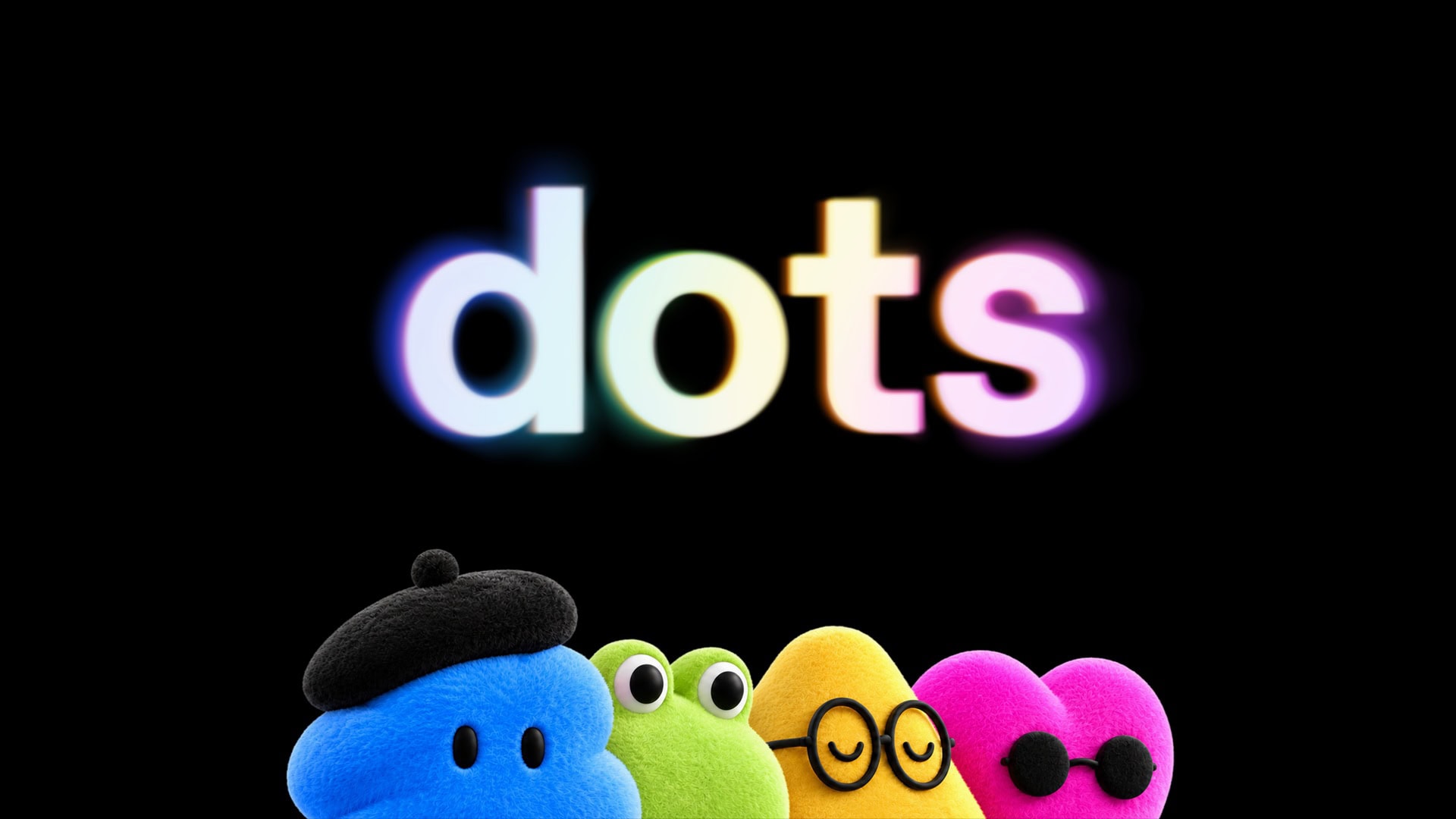
A New Step for AI in Daily Life
OpenAI has entered a new phase in how users interact with artificial intelligence. The company announced that its personal AI agents, known as Dots, are now available directly within standard smartphone messaging applications. This means users no longer need to open the dedicated ChatGPT app to communicate with the assistant; everything now takes place within your phone's familiar messaging interface.
The update is rolling out for both Android users via Google Messages and iPhone owners using iMessage. This integration simplifies daily routines by placing the AI agent exactly where most of us spend our time: in our messages.
How Does ChatGPT Dot Work?
Introduced last month, Dots are specialized AI agents that operate in the background. They remember your preferences, critical details, and ongoing tasks. With this new feature, your Dot will not only answer questions but also proactively send you updates, photos, and voice messages.
Imagine you ask ChatGPT to track the price of a specific product and notify you when it drops. Now, when the price falls, you will receive a direct notification on your phone without needing to open an app. Similarly, if you are planning a trip, the AI will remind you of important details or send you updates directly as a text message.
What Users Should Know
At this stage, the feature is available only to ChatGPT Pro subscribers in the United States and is currently in "Preview" mode. OpenAI's goal is to transform ChatGPT from a simple chatbot into a proactive assistant that maintains context across different sessions and platforms. Previously, Dots were only accessible within the ChatGPT app, Slack, and Microsoft Teams, but mobile messaging support elevates the service to an entirely new level.
This feature is not yet available to users in Georgia. However, technological trends suggest that such deep integration of AI into our smartphone operating systems is inevitable. Once the feature becomes globally available, it will significantly change how we manage our daily tasks and information flow.