ChatGPT Adds New Feature for Generating Animated GIFs
OpenAI's latest update allows users to create and edit dynamic animations directly within the chat interface.
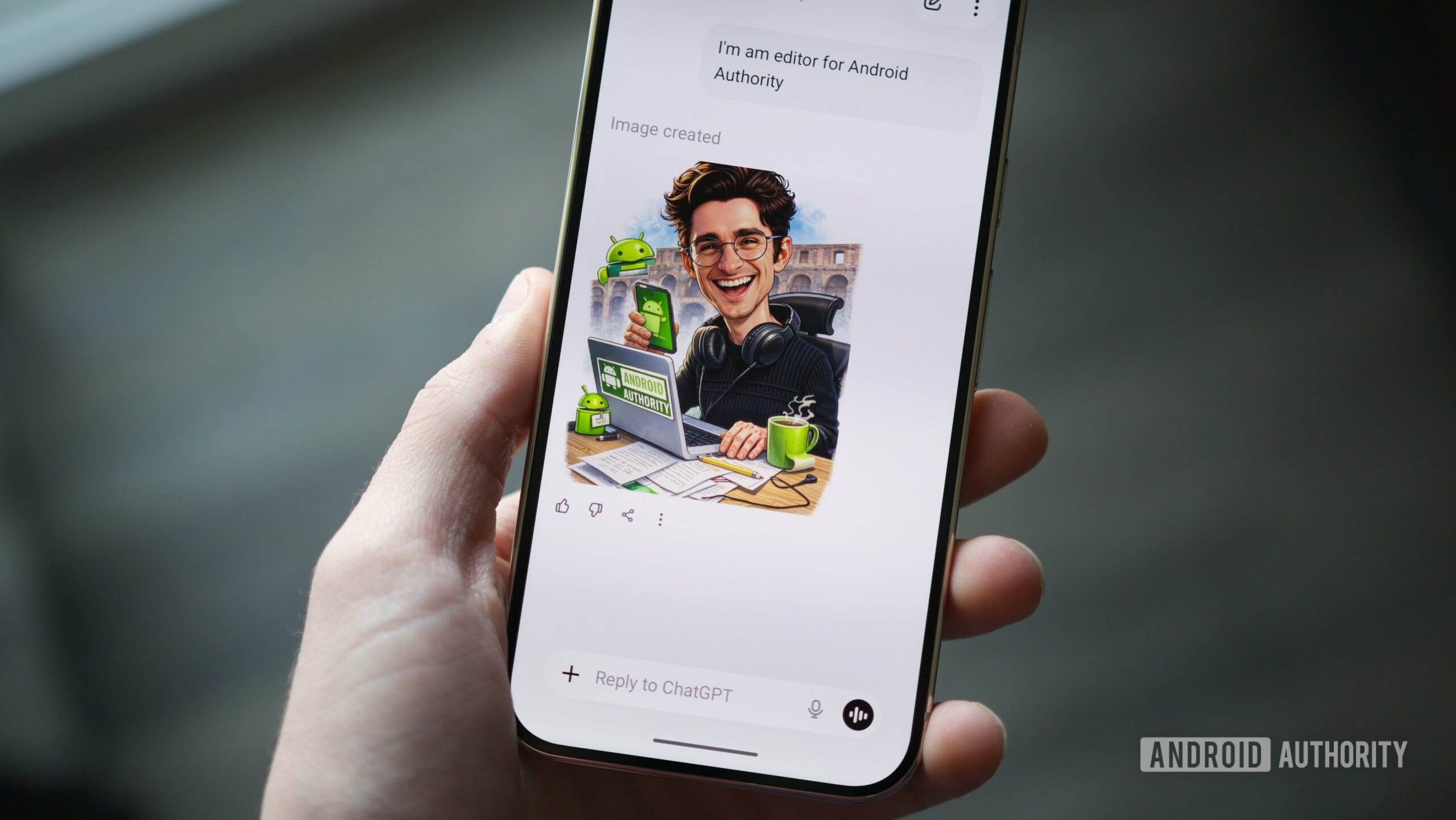
A New Feature for the Creative Process
OpenAI has introduced a significant update to its platform, enabling users to generate animated GIFs directly through ChatGPT. This innovative capability is part of the Images 2.6 update and is available across the web version, as well as desktop and mobile applications. The new feature allows users to transform their own text prompts or uploaded photos into short, dynamic animations.
Notably, OpenAI has focused on both creation and editing. Users can adjust the playback speed of their GIFs from 0.5x to 2x, providing full control over the animation's tempo and visual effects. Furthermore, the tool allows for the editing of individual frames, making the entire process significantly more flexible.
Technological Advancement and Speed
The Images 2.6 update is not limited to animations alone. Developers have also made significant improvements to the speed of static image generation. According to information released by the company, new algorithms process user requests faster, making the use of ChatGPT and Codex more efficient.
The ability to create animations represents another stage in the evolution of AI tools. While users previously relied on specialized platforms like Giphy or Tenor for such content, they can now create personalized animations directly with the help of AI. This approach is particularly useful for those looking to make their communication more original and meaningful.
What This Means for Users
GIFs are an integral part of modern digital culture, often conveying emotions and reactions more effectively than text messages. With this update, ChatGPT users gain a tool that allows them to create unique content that cannot be found anywhere else.
For users in Georgia, this feature is already available following the platform update. OpenAI’s move underscores that artificial intelligence is increasingly focused on strengthening creative and entertainment functions, transforming the platform from a text-based assistant into a multimedia creative hub.