Canon’s New Tool: Turning Your Photos into 3D Models
Canon's new software turns Dual Pixel RAW files into 3D objects.
Technology that adds depth to photos
Canon has introduced new software, Dual Pixel 3D (DP3D), which leverages the company's proprietary Dual Pixel AF technology. This innovation allows users to convert images captured with their cameras into three-dimensional objects or short videos. The technology relies on the principle of splitting each pixel on the sensor into two photodiodes, enabling the camera to collect detailed information regarding the depth of an image.
Who is it available for?
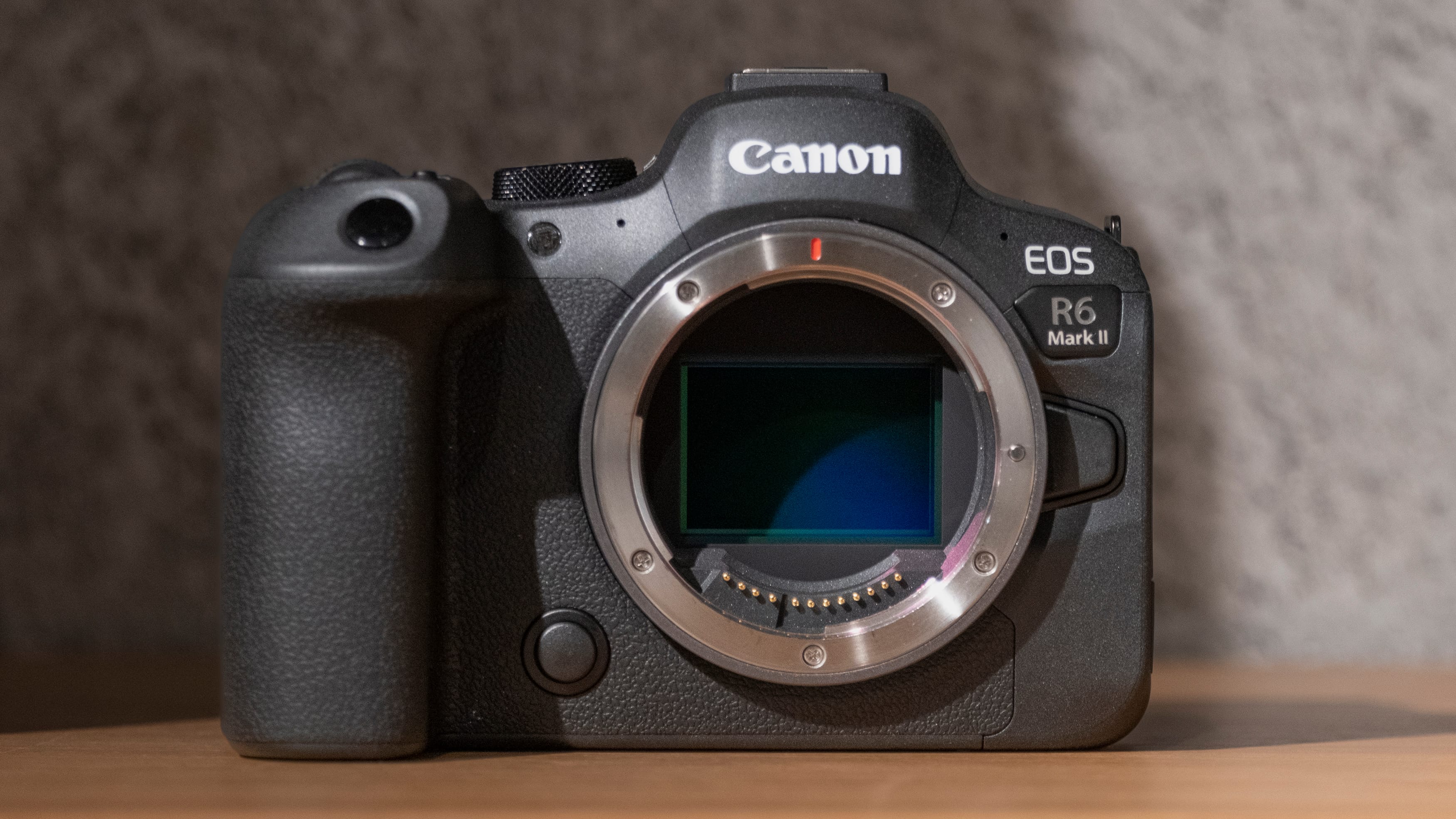
Although the presentation of DP3D coincided with the release of the Canon EOS R8 Mark II, the software is compatible with many older models, including the EOS R5 and EOS R6 Mark II. The primary requirement is that the camera must support Dual Pixel AF and be used with compatible RF lenses. The program is currently available only for Windows 11 and is distributed by Canon for free, though these terms may change in the future.
How the process works
To achieve the 3D effect, it is necessary to shoot in Dual Pixel RAW format. It is important to note that this mode increases file sizes and imposes certain limitations on camera settings; for instance, it does not work with an electronic shutter. Canon recommends using a static background, avoiding objects with extreme depth, and maintaining an ISO sensitivity below 1600 for the best results.
Once photos are uploaded into the DP3D application, users can choose to create a 3D model (in OBJ or GLB format) or generate a short panoramic video. These models can be further processed in software such as Blender, which provides greater control over lighting and angles.
Perspectives and reality
While this move by Canon offers an interesting additional functionality for existing camera owners, the results are not always perfect. This technology may be particularly useful for marketers who want to bring product or food photography to life for social media. However, compared to modern generative methods based on artificial intelligence, Canon's approach—which manipulates existing pixels—can sometimes appear limited. Nevertheless, utilizing the capabilities of one's own equipment in a new way remains an interesting experiment for any photographer.