Can You Use a Standard Ethernet Cable Outdoors?
Protect your network infrastructure by choosing the right equipment for outdoor environments.
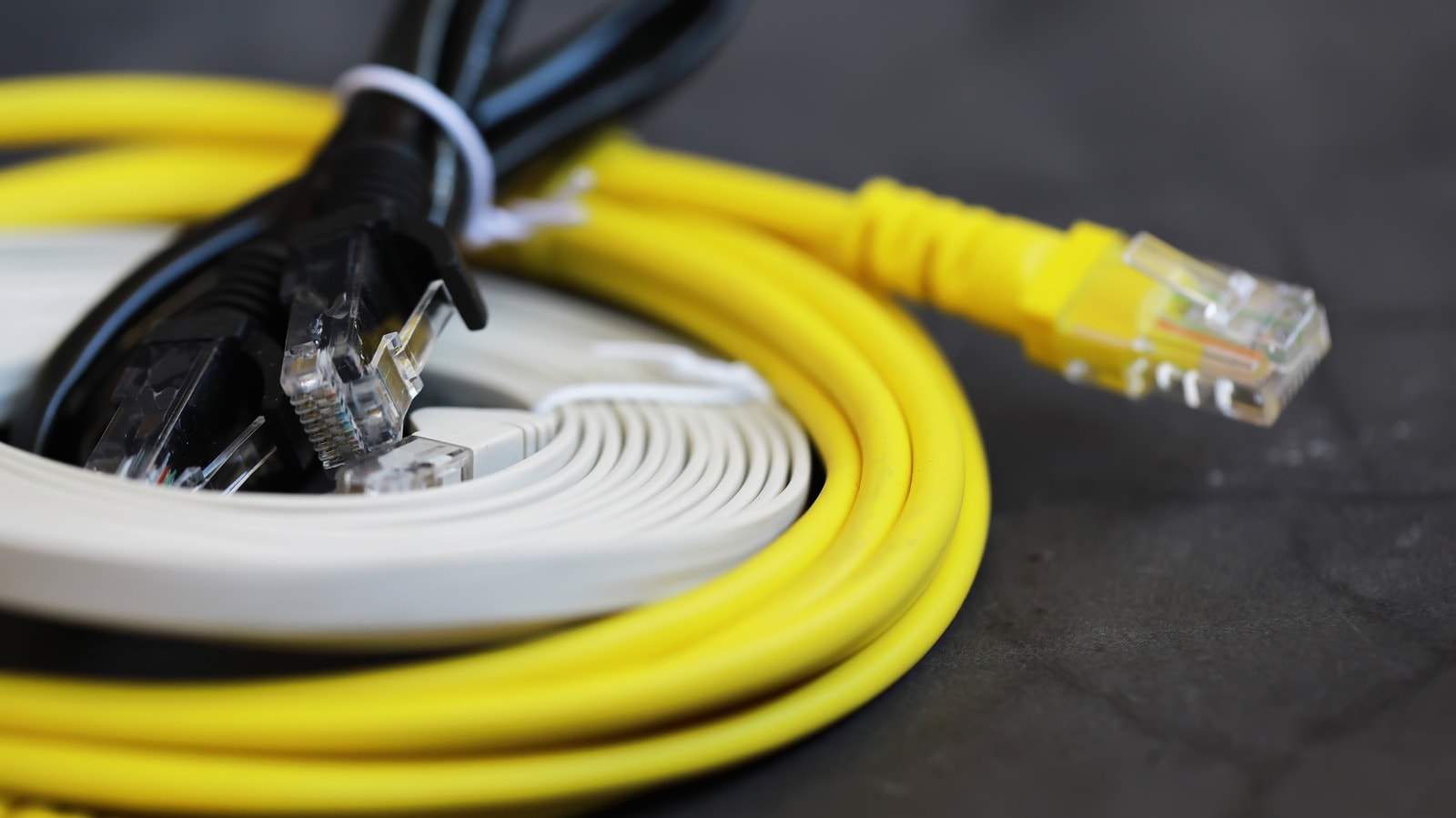
Running internet to your garden, installing outdoor security cameras, or setting up access points often requires outdoor cabling. It is tempting to use a standard Ethernet cable you have lying around the house, but from a technical standpoint, this is one of the worst decisions you can make for your network infrastructure.
Why Indoor Cables Fail Outdoors
Standard Ethernet cables, such as Cat5e or Cat6, are covered in a flexible PVC (polyvinyl chloride) jacket. While ideal for indoor conditions, this material is completely vulnerable to ultraviolet (UV) radiation. Over time, sunlight causes the PVC jacket to dry out, crack, and lose its integrity. As a result, the internal conductors become exposed, leading to a sharp decline in signal quality or complete cable failure.
Beyond sunlight, temperature fluctuations and precipitation pose significant problems. Indoor cables are not designed to handle moisture, which leads to the corrosion of copper wires. Furthermore, such cables lack the necessary protection against lightning strikes, which is a high risk for any outdoor cabling.
How to Choose the Right Cable
When purchasing a cable for outdoor use, pay close attention to the markings. Outdoor-rated cables are manufactured with a polyethylene (PE, HDPE, or LLDPE) jacket, which is significantly more resistant to UV rays, moisture, and temperature changes. Look for labels such as "Outdoor," "UV-resistant," "Sunlight-resistant," "CMX," or "OSP."
If you plan to run the cable underground, you must use a "Direct Burial" cable. This type is specifically designed to withstand soil pressure and constant humidity. These cables are often filled with a special gel or powder that protects the wires from water ingress even if the outer jacket is damaged.
Installation Safety Rules
It is important to remember that outdoor-rated cables often do not meet indoor fire safety standards. Therefore, the rule is simple: an outdoor cable should not run more than 15 metres inside a building. Ideally, as soon as the cable passes through the wall, it should be connected to an indoor-rated cable.
Also, do not forget to install surge protectors at both ends of the cable. While this is an additional cost, it is the only way to protect your network equipment from lightning strikes or static electricity. During installation, secure the cable with special clips to prevent friction against surfaces and never bend it at sharp angles, as this can damage the internal structure.
Ultimately, if you want stable internet in your garden, do not cut corners on specialized cabling. A properly selected and protected cable will serve you for years, whereas the wrong choice will only lead to headaches and destroyed equipment.