Can You Really Damage a Security Camera With a Laser?
Myth vs. Reality: Lasers and Cameras
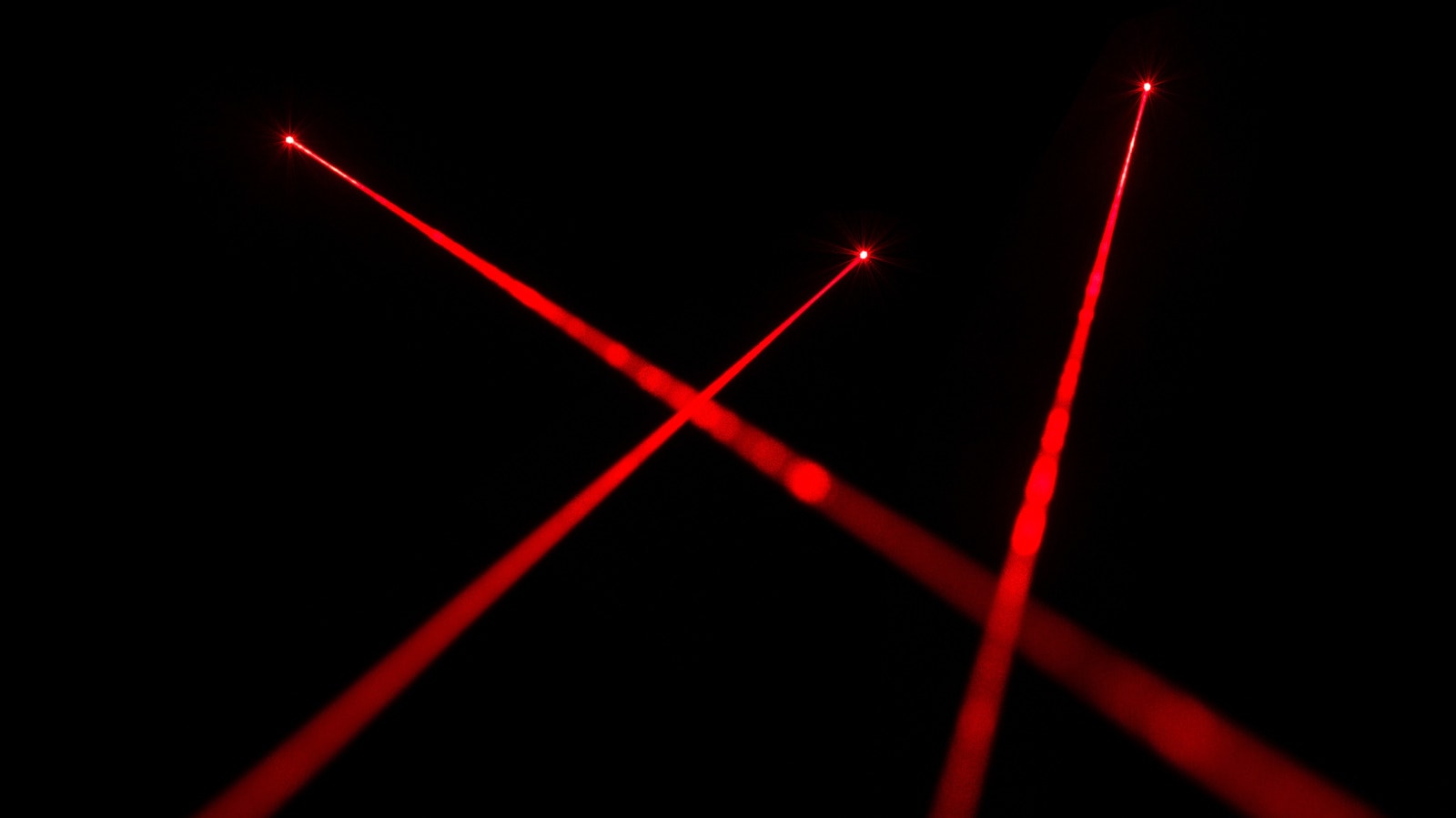
In popular culture, particularly in crime dramas, we frequently see characters "blinding" security cameras using laser pointers. However, how realistic is this trope? Technically, a laser beam does affect a camera's sensor, but causing permanent damage is a significantly more difficult task than it appears on screen.
Security cameras rely on CMOS or CCD sensors to convert light into electrical signals. When high-intensity light enters the lens, the sensor becomes overloaded, creating temporary "white spots" or glare in the footage. With a laser, this effect is intensified because the beam is highly concentrated.
Why It Is Nearly Impossible
To actually disable a sensor and create "dead pixels," three factors must align: an extremely powerful laser, an outdated camera, and precise human aim. Research indicates that keeping a laser beam fixed on a single point is difficult; even the slightest tremor in one's hand is enough to cause the beam to miss its target.
Furthermore, modern surveillance systems are significantly better protected than their predecessors. In most countries, the sale of laser pointers exceeding 5mW is restricted by law, meaning that lasers available to the average consumer are unlikely to cause any permanent damage to a camera.
Legal Consequences and Protective Measures
It is crucial to remember that pointing a laser at a camera is not only ineffective but also illegal. In 2021, an individual was arrested after damaging security cameras with a laser, causing over $2,000 in damages. Despite the attempt to "blind" the devices, the cameras successfully identified the perpetrator.
To secure your surveillance system, experts recommend mounting cameras at heights or angles that make them difficult to target. Using a combination of multiple cameras is also effective, as it eliminates blind spots. Modern systems feature intelligent functions that send instant notifications to the owner if they detect sudden changes in light or an attempt to obstruct the lens.
In conclusion, attempting to damage a camera with a laser is a risky and ineffective act that is much more likely to result in legal trouble than a successful act of sabotage.