Can You Put an AirTag in Your Luggage? The Rules Explained
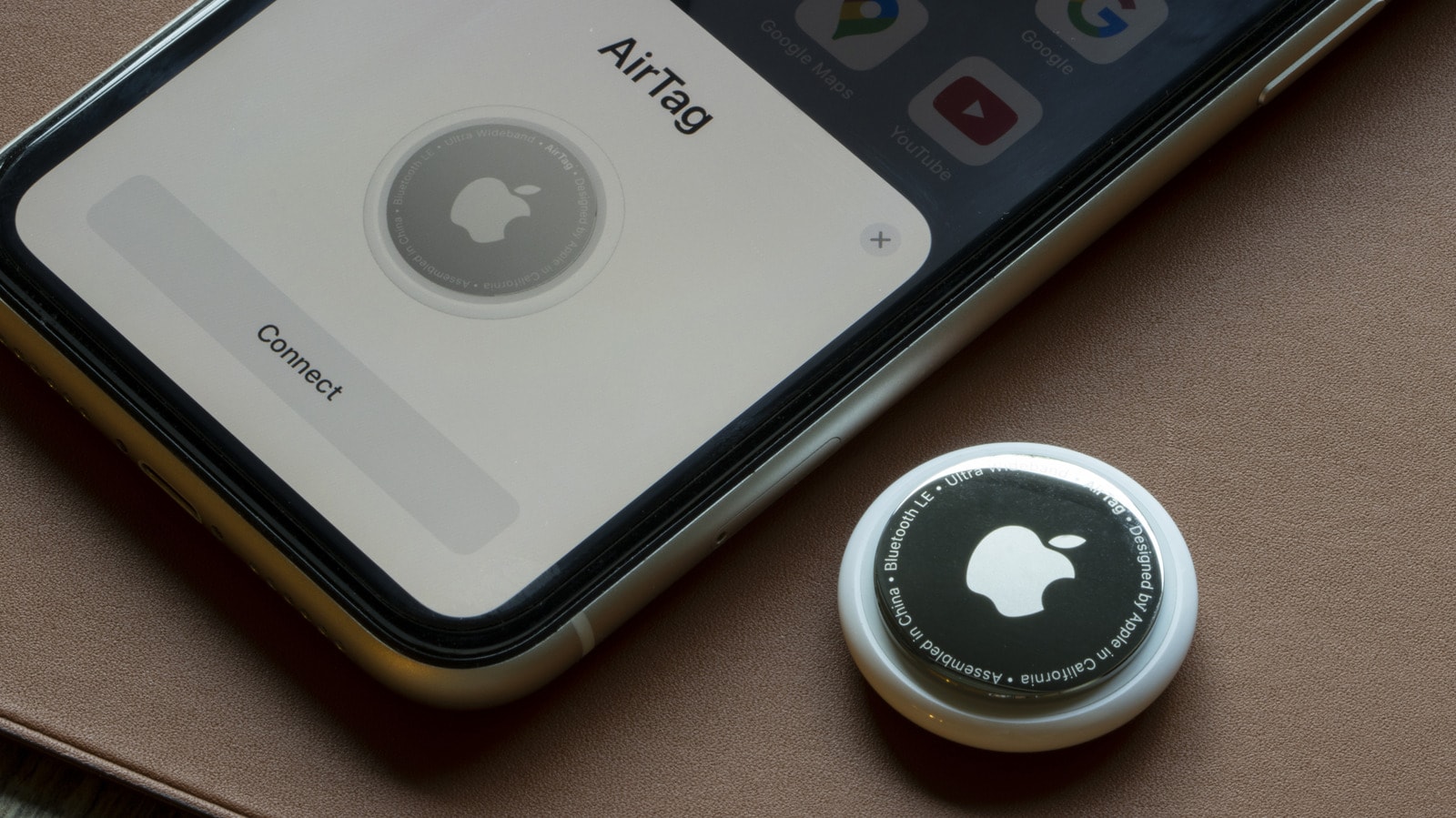
Air travel can be stressful, particularly when it comes to the safety of your luggage. In recent years, using Apple AirTags to track suitcases has become increasingly popular among travellers. However, given strict airline regulations, many wonder if these small devices are permitted in checked baggage, especially due to their batteries.## Safety Standards and AirTagsThe primary concern for aviation security services is the lithium batteries found in luggage. Lithium-ion batteries can be dangerous as they may overheat and cause a process known as 'thermal runaway,' which poses a fire risk. This is precisely why powerful power banks are often prohibited in checked luggage.An AirTag uses a small CR2032 coin-cell battery containing less than 0.1 grams of lithium. This figure is significantly lower than the limit permitted by international aviation standards. Consequently, the AirTag fully complies with safety requirements, and placing it in checked baggage is entirely legal.## International RegulationsIn 2023, the International Civil Aviation Organization (ICAO) developed an amendment that officially regulates the status of such devices. According to the rules, devices containing lithium may remain in checked baggage while switched on, provided their lithium content does not exceed 0.3 grams. The AirTag meets this criterion, making it safe for any international flight.## What to Keep in MindWhile the AirTag is safe, its effectiveness depends on Apple’s network. The device sends information using nearby iPhones. This means that in regions where the share of Apple devices is low, tracking accuracy may decrease. Additionally, note that some airlines have begun using Apple’s 'Share Item Location' feature, though this service is not yet globally universal.Ultimately, if you want to keep your luggage more secure, using an AirTag is an excellent and safe method. The most important thing is to always check the specific airline’s internal rules regarding power banks, as these are regulated much more strictly than small tracking devices.