BT Delays Starlink Partnership Due to Political Tensions in Ukraine
The British telecom giant is waiting for the "noise to die down" before moving forward with the project.
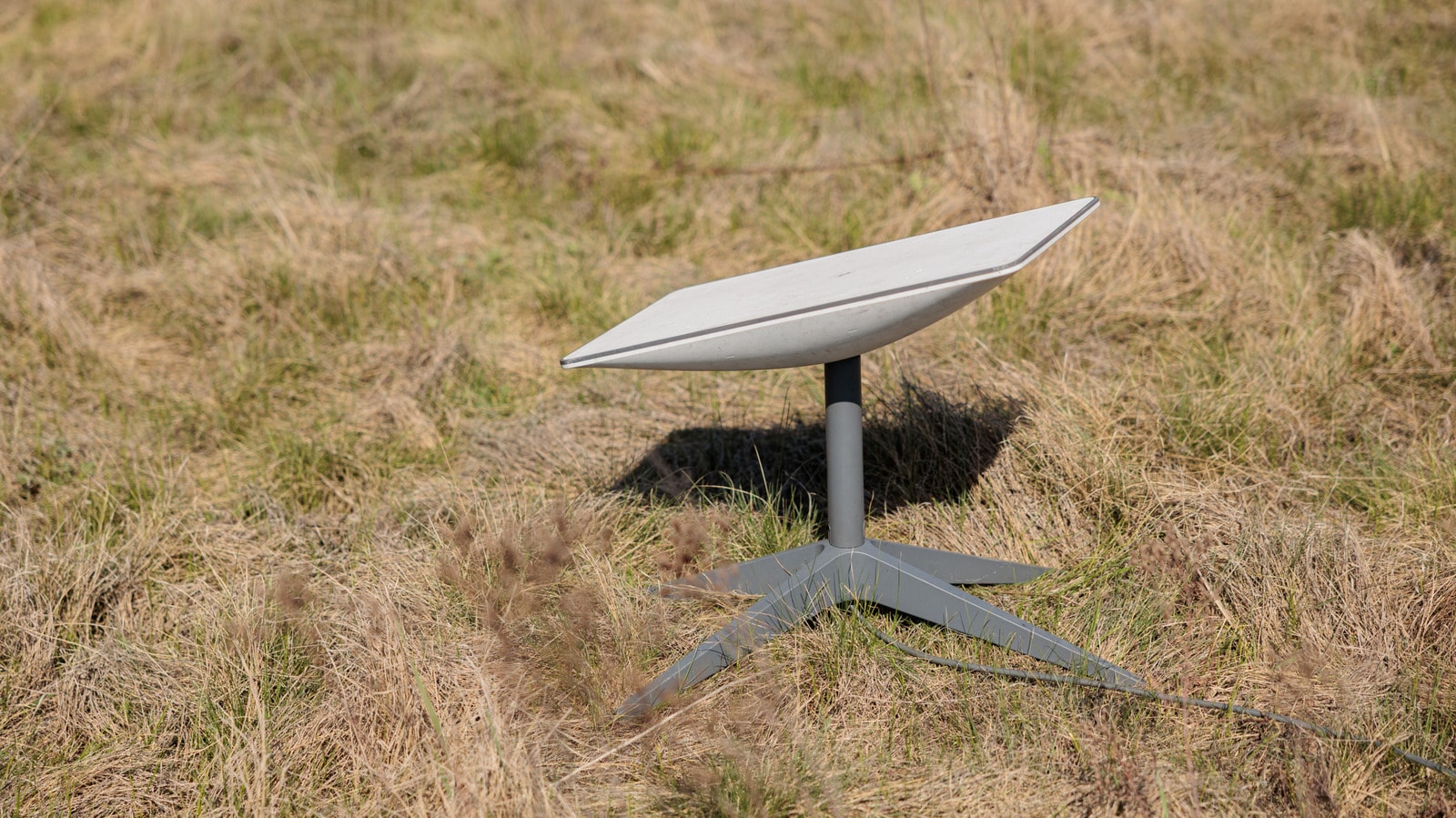
Britain’s largest telecommunications company, BT, has temporarily halted its planned partnership with Starlink. The delay is not due to technical difficulties, but rather the political activities of Elon Musk and the ongoing situation in Ukraine. BT CEO Allison Kirkby stated that the company is delaying the decision until the "noise dies down."## Political Impact on BusinessStarlink, a subsidiary of SpaceX, has provided critical internet connectivity in Ukraine since the first days of Russia's full-scale invasion. However, decisions made by Elon Musk—specifically the restriction of services for the Ukrainian military—have drawn sharp criticism from the international community. This development prompted the British side to exercise caution and postpone the official launch of the partnership. According to BT leadership, public perception of Starlink within the current geopolitical context is a priority. Musk's unilateral decisions have raised questions about his reputation as a reliable business partner, which has influenced the company's strategic planning.## Rural Connectivity and Future ProspectsDespite the current tension, BT maintains that the deal will proceed. The company views Starlink’s technology as a "giant leap" for providing internet access to residents in rural Britain. According to Allison Kirkby, delivering the best products to their customers requires working with the best partners. While no specific date has been set, Starlink’s services are expected to become available in the UK in the coming months. This case illustrates how an individual's influence and political stance can affect global technological partnerships. For readers in Georgia, this example highlights how major corporations balance technological innovation with reputational risks when dealing with controversial figures like Elon Musk. As Starlink already operates in the Georgian market as a high-speed internet alternative, such global decisions may directly or indirectly impact our region in the future.