BMW to Launch Urban Automated Driving System in 2027
The German automaker plans to challenge Tesla with new navigation-based urban driving features.
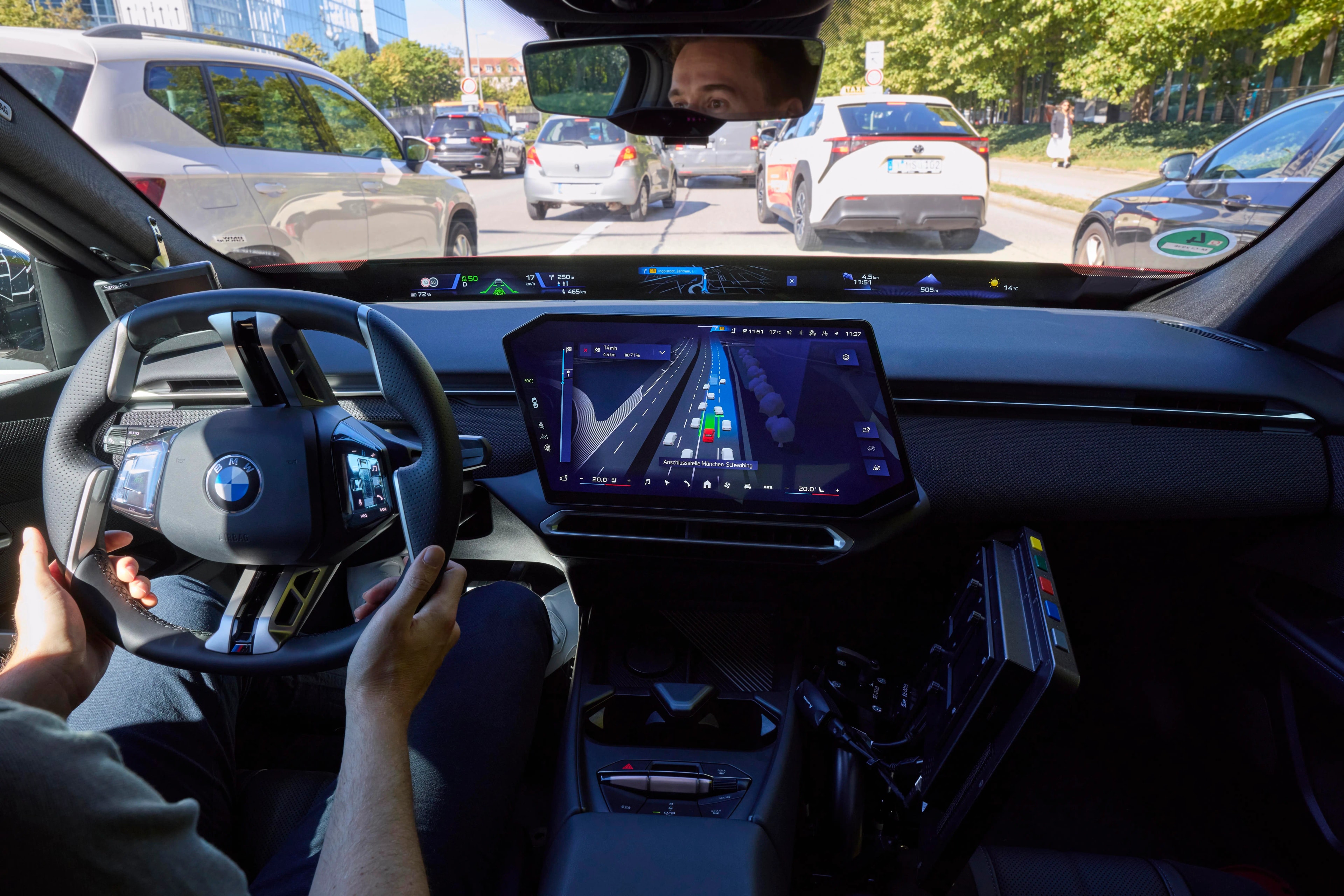
A New Step Toward Autonomous Driving
BMW has announced that, starting in 2027, its vehicles will receive a software update enabling navigation-based, partially automated driving on city streets. With this move, the German automaker is directly challenging Tesla’s Full Self-Driving (FSD) system as it seeks to maintain competitiveness in the intelligent automotive technology market.
The new feature will assist drivers with speed regulation, lane changes, and maneuvering through turns, as well as navigating roundabouts and yielding to other vehicles. The system relies on GPS navigation and is designed to function on both highways and in dense urban environments.
Safety and Driver Responsibility
Despite this technological progress, BMW’s system remains in the "Level 2" automation category. This means the driver is required to constantly monitor the road and be prepared to take control of the vehicle at any time. While drivers may take their hands off the wheel on highways, keeping hands on the steering wheel will remain necessary in city conditions.
The company states that the system is designed to collaborate with the driver rather than replace them. Drivers can brake or accelerate at any time without deactivating the system. Information regarding the vehicle's surroundings and system actions will be displayed to the driver via a head-up display and a 3D map on the central dashboard screen.
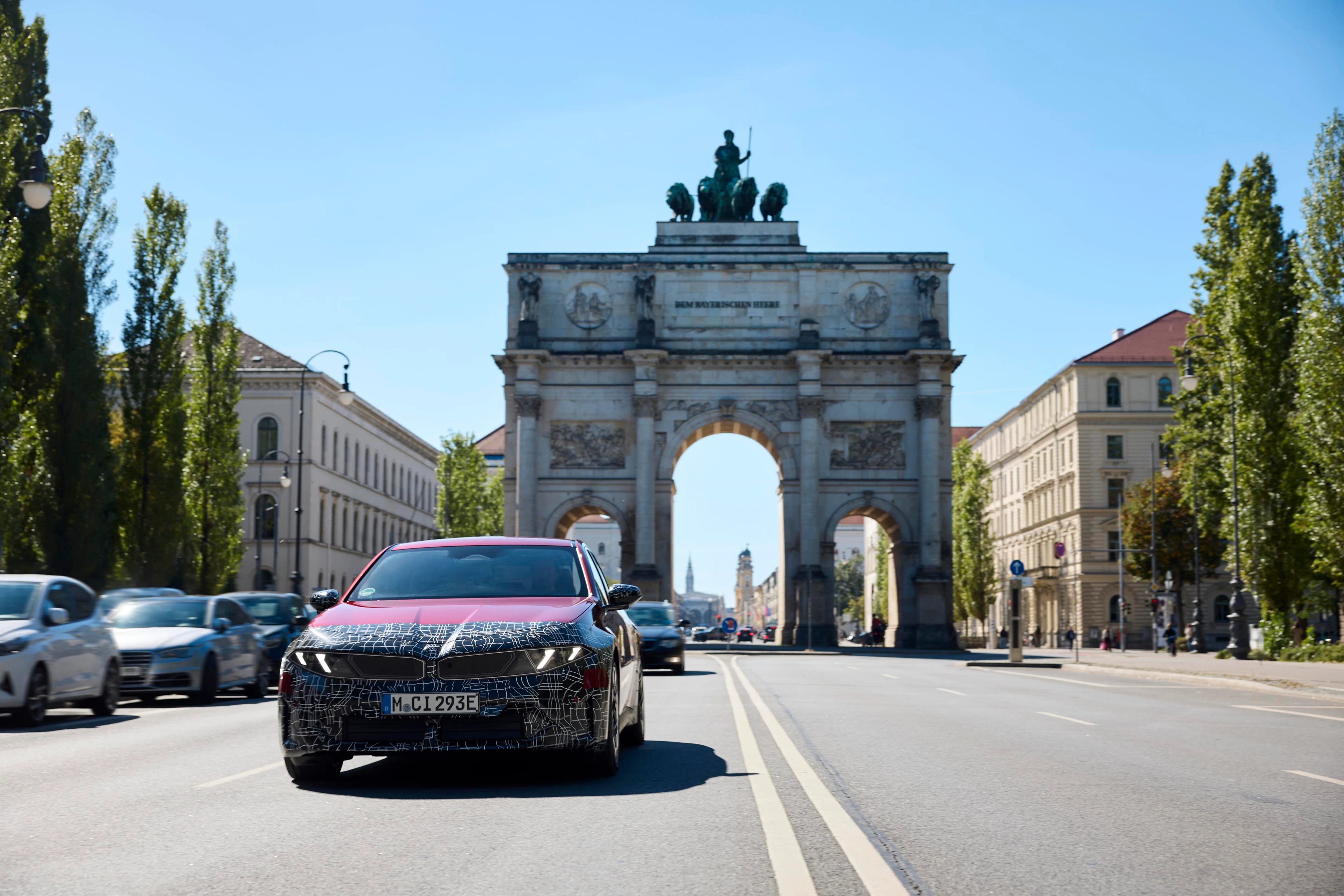
Technological Foundation and Challenges
Necessary sensors and cameras are already integrated into models such as the 3 Series, 7 Series, X5, iX3, and iX4. Consequently, the new feature will be activated via an over-the-air software update. The system will first launch in Germany, with other markets to follow. BMW reports that the system has already undergone independent expert testing and expects final government approval by early 2027.
Despite these developments, industry experts have expressed concerns. Studies show that drivers tend to over-rely on automation systems, which can slow reaction times and increase safety risks. At a time when courts are frequently examining company liability in accidents involving Tesla, the deployment of this technology poses significant legal and ethical challenges for BMW.
For users who frequently drive German premium vehicles, this news means their cars will gain more autonomous functions in the coming years, though the full potential of the system will depend on local infrastructure and legislation.