Bluetooth 7.0: Wireless Connectivity Reaches New Speeds
The new standard promises to transform audio quality and device efficiency.
Bluetooth technology is undergoing a major evolution. The Bluetooth Special Interest Group (SIG) has officially approved the Bluetooth Core 7.0 standard, headlined by the introduction of Bluetooth High Data Throughput (HDT). This update fundamentally changes data transmission capabilities, increasing the maximum Bluetooth LE speed from 2 Mbps to 7.5 Mbps.
More possibilities for audiophiles
The primary purpose of Bluetooth HDT is to improve wireless audio systems. The increased bandwidth will allow users to listen to high-resolution (Hi-Res) audio without any loss in quality. Furthermore, the new standard supports spatial audio and multi-channel surround sound technologies. Most importantly, this will be achievable without the need for additional proprietary, closed formats.
Energy efficiency and new gadgets
The speed increase will not only impact audio quality. Thanks to Bluetooth HDT, smartwatches and fitness trackers will be able to synchronize data much faster. Since transmitting data packets requires less time, the Bluetooth radio module will spend less time in active mode, which will directly improve device autonomy and battery life.
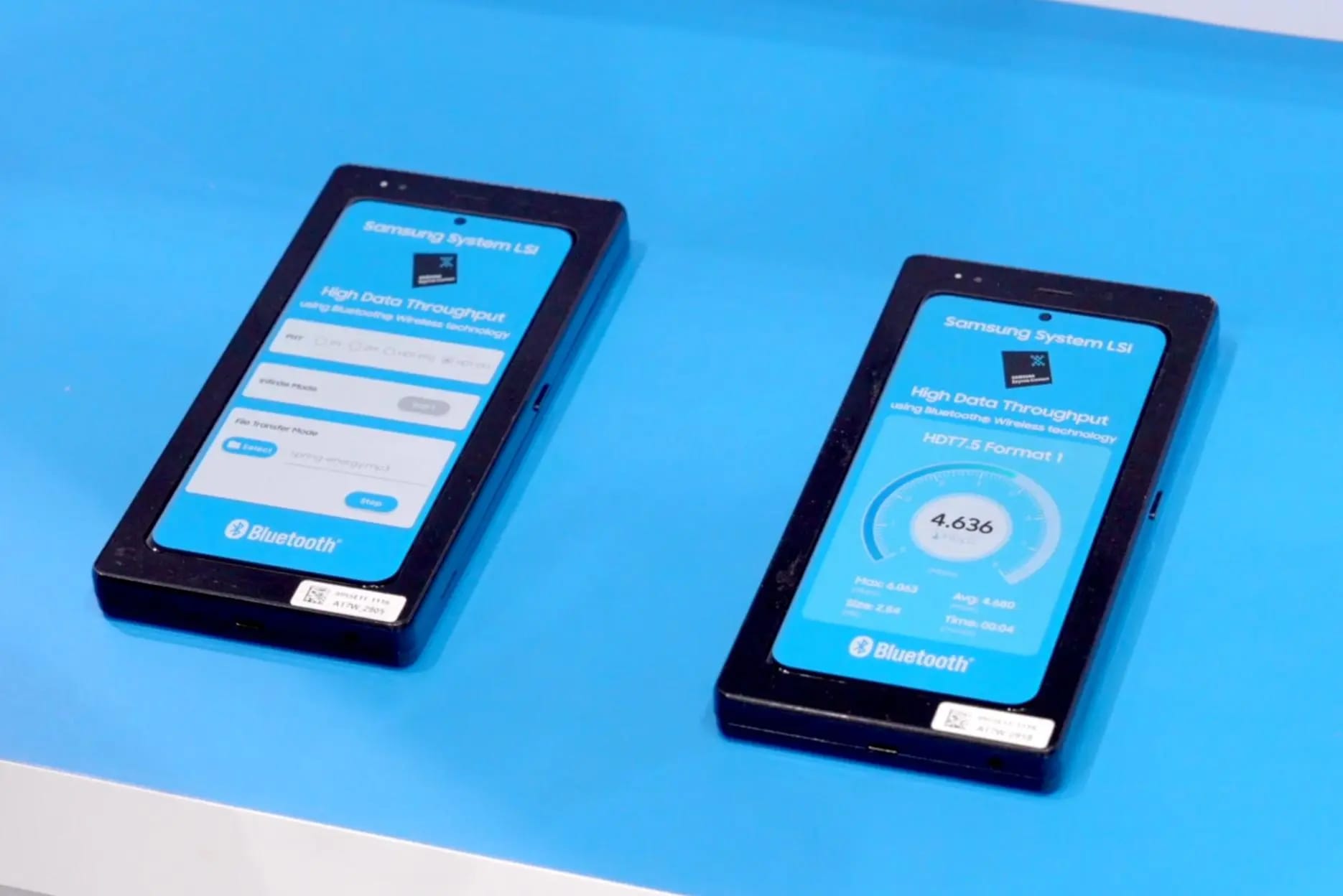
This technology will be particularly significant for personal artificial intelligence (AI) devices. Through HDT, they will be able to efficiently transmit data to smartphones, allowing the AI gadgets themselves to be lighter and more compact. Improvements are also expected in extended reality (XR) devices, which will have a more stable connection without relying on Wi-Fi.
When will we see it?
According to Neville Meijers, CEO of the Bluetooth SIG, this update creates a powerful foundation for the next generation of wireless innovation. Bluetooth technology continues to adapt to the growing demands of the modern world, which means daily convenience for users—whether through software updates or data synchronization.
The first devices supporting Bluetooth 7.0 and HDT are expected to hit the market in 2027. For users, this means that in the coming years, our daily gadgets will become faster, more energy-efficient, and better suited for high-quality multimedia content.