Blue Planet III: Why the BBC is Leaving 'Flaws' in the Frame
BBC producers are embracing raw, unedited footage to prove their nature documentaries remain authentic in the age of AI.
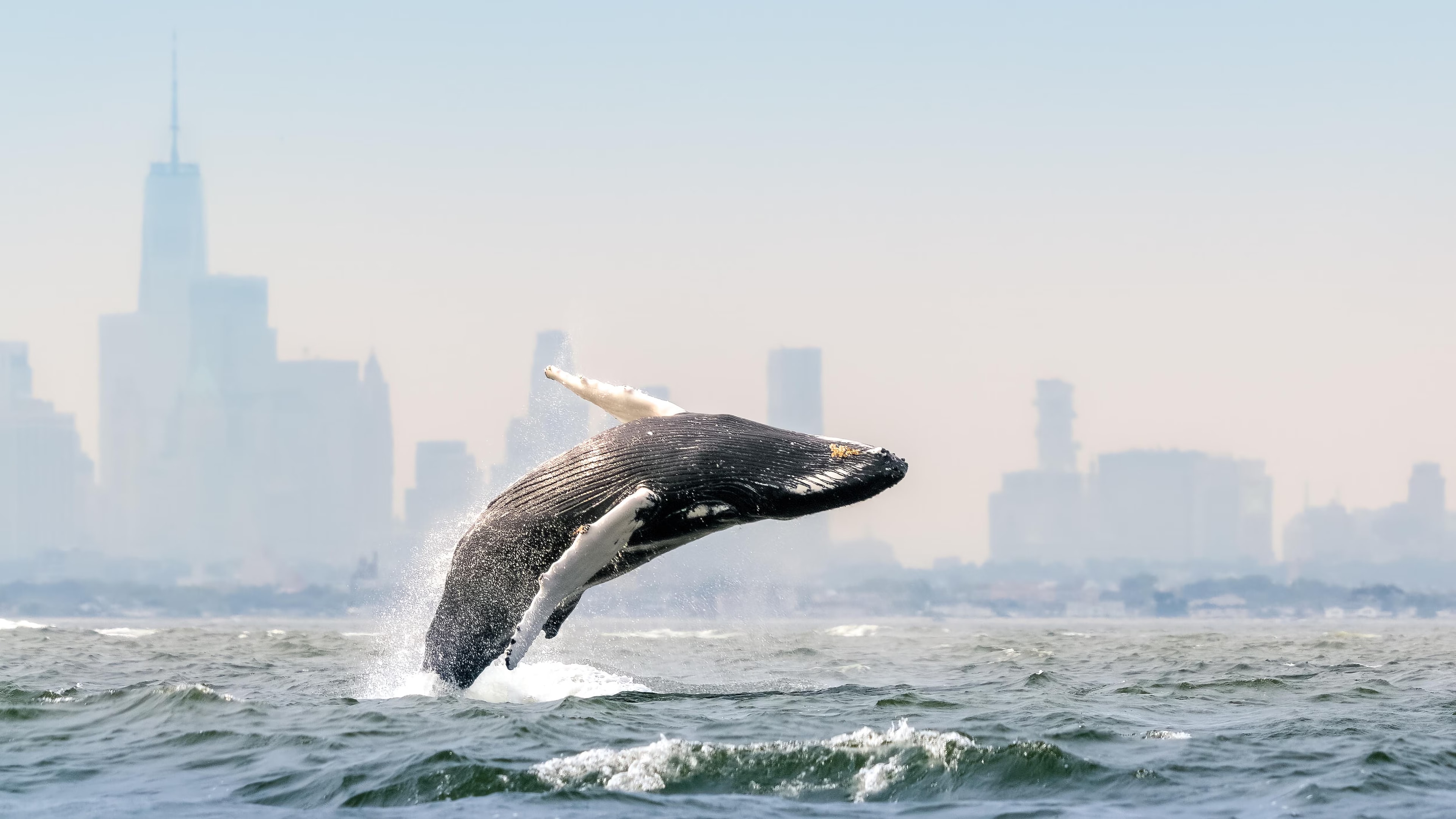
Reality Versus Artificial Perfection
The legendary documentary series Blue Planet III is taking a radical new approach for its latest season. The production team is intentionally leaving in "flaws" that would have previously been scrubbed away in the editing suite. This decision is a direct response to modern technology and the rise of AI-generated visual content.
For years, nature documentaries were defined by perfect, crystal-clear shots, which often left viewers questioning if what they were seeing was truly real. However, the rapid development of AI has shifted the standards. Today, computer-generated imagery is so sophisticated that it is nearly impossible to distinguish from reality. Consequently, overly polished footage now triggers skepticism. To dispel these doubts, BBC producers have decided to show nature in all its unvarnished imperfection.
What Changes in the Editing Room?
Executive producer Elizabeth White explained that in the past, they meticulously removed anything that disrupted the "pristine" aesthetic. This included floating plankton, stray debris, passing boats, or less-than-ideal water conditions. In the new season, these elements remain untouched.
The goal is simple: viewers must see that what they are watching is the real ocean, not an illusion crafted by an algorithm. This approach gives the film an organic look that is becoming increasingly valued in our technology-driven world.
An Animal Kingdom AI Cannot Replicate
Despite the "flawed" shots, the series continues to offer unique and breathtaking footage. Viewers will see dolphins using sea sponges to catch fish, strange communication between species, and a massive gathering of 200,000 crabs. According to Elizabeth White, the reality of nature and animal behaviour is far more impressive than any fantasy that artificial intelligence could generate.
For audiences accustomed to high-quality documentary footage, this approach brings the true grandeur of the ocean closer than ever. It is a concerted effort to restore trust in visual content during an era where everything is susceptible to digital manipulation.