Blue Phone: The New AI-Powered Assistant for Pixel 10 Pro
The Y Combinator-backed startup is challenging market leaders with a custom Android experience.
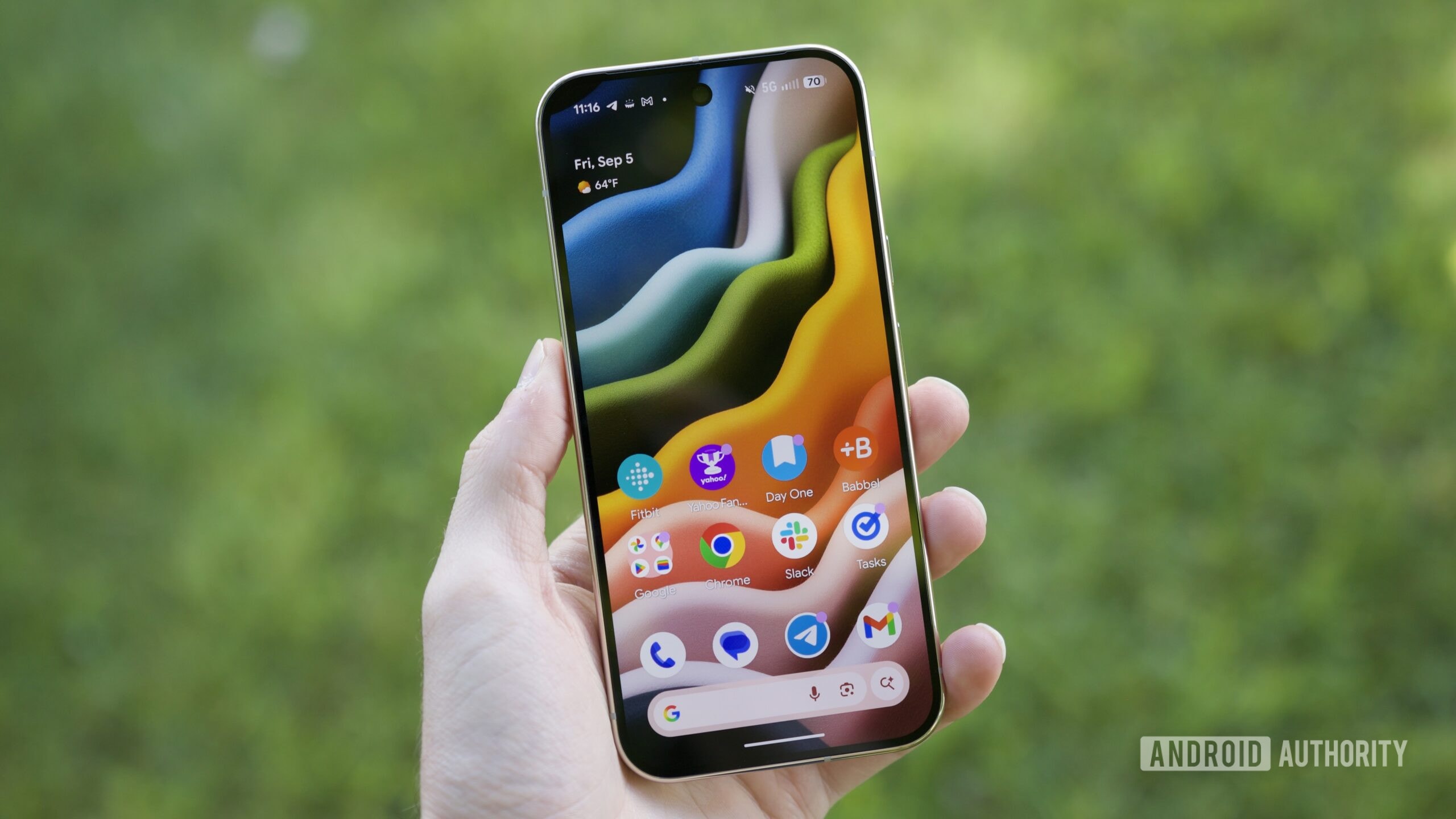
Artificial intelligence has fundamentally changed how we use smartphones, allowing us to draft emails, summarise lengthy documents, and plan travel with ease. However, a significant hurdle remains: managing data across different applications and handling multitasking, which often forces users to switch between apps manually. The startup Blue aims to solve this with the launch of the public beta for its innovative project, Blue Phone.
What is Blue OS and why is it different?
The Blue Phone is not a new piece of hardware; it is a Google Pixel 10 Pro or Pixel 10 Pro XL running a custom operating system called Blue OS. This system is a modified version of Android, distinguished by its deeply integrated AI assistant. Unlike traditional assistants, the Blue system is designed to operate across applications. It can manage multiple tasks simultaneously, process voice recordings, and automatically convert them into text messages, saving users significant time and effort.
Price and availability
The Blue Phone is currently priced at $1,299. The company has adopted an aggressive marketing strategy to attract iPhone users: those who trade in an older Apple smartphone can receive the Blue Phone for free, provided the trade-in is completed within 30 days of purchase. This move signals the startup's intent to compete directly with market leaders by proving that its AI-centric experience is more efficient than standard operating systems.
What this means for the user
While Google’s own Gemini is a powerful tool, Blue’s approach focuses on deep system integration. If the testing phase proves successful, we may see a trend where operating systems evolve from simple app-launching platforms into intelligent, proactive assistants. For users who rely on the Google Pixel series, this development is noteworthy, though it remains unclear how well Blue OS will adapt to local languages and services outside of its primary markets. Regardless, it is clear that the next stage of smartphone evolution lies in the seamless fusion of artificial intelligence with operating systems.