Blue Origin Develops New Engine to Slash Spaceflight Costs
The company aims to increase launch frequency to 1,000 per year with its new, cost-effective engine design.
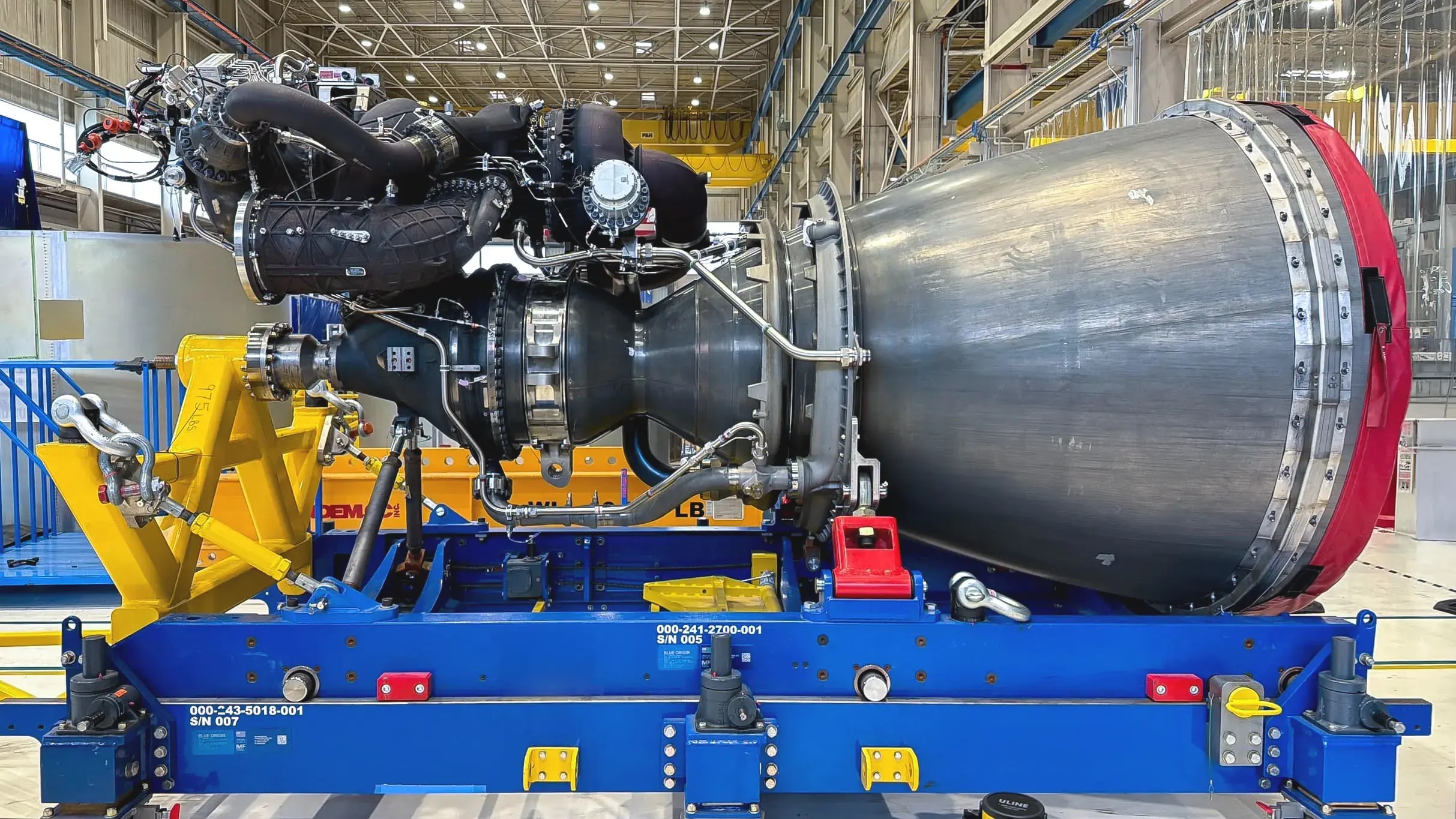
A significant development has emerged in the space technology sector. During a conference in Florida, Blue Origin CEO Dave Limp announced that the company’s rocket systems, specifically the New Glenn, are undergoing a massive modernisation. The company’s goal is to make space access far more affordable and increase launch frequency to 1,000 per year.
Northstar: A Next-Generation Engine
The centrepiece of these changes is a new engine dubbed Northstar, which will eventually replace the current BE-4 engines. Northstar is a significantly simplified yet more powerful version of its predecessor. Engineers have halved the number of parts in the engine's design and reduced its weight by 30%. Furthermore, approximately 65% of the engine's components are 3D-printed, which accelerates the production process and lowers costs.
Blue Origin estimates that the manufacturing cost of a Northstar engine is just 25% of the BE-4’s cost. The company aims to make it possible to assemble a single engine in less than a day. Although Northstar is lighter and cheaper, its initial thrust is 715,000 pounds—a significant step forward compared to the existing 640,000 pounds.
A New Stage for Deep Space
Beyond Northstar, the company is working on a third stage for the rocket called GS3 (Glenn Stage 3). This module is designed to carry payloads directly into geostationary orbit or onto trajectories leaving Earth's orbit. GS3 is primarily constructed from composites, making it extremely lightweight, though this approach has presented technical challenges.
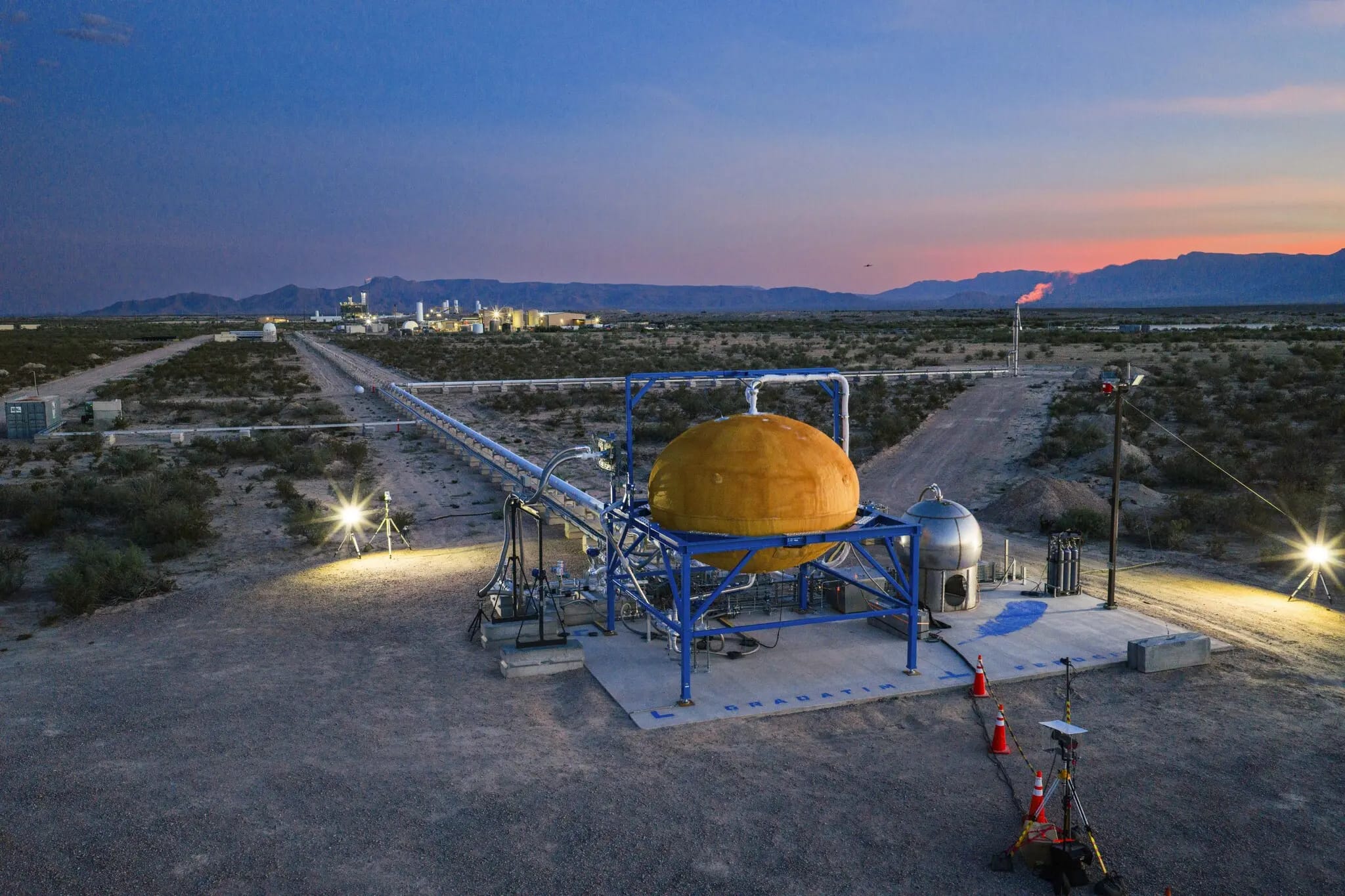
The issue involves liquid hydrogen, which is used as fuel. Hydrogen molecules are very small, creating a risk of leakage in composite tanks. However, successful tests in Texas, where the tank withstood 150% of maximum pressure, have given the company cause for optimism. The first mission equipped with the GS3 is already scheduled for 2028.
What This Means for the Space Industry
Blue Origin's strategy clearly highlights the direction of the space industry, where the focus is shifting not just to power, but to production efficiency. A 75% reduction in engine production costs is a revolutionary figure, which will allow private companies to engage more actively in lunar exploration and orbital logistics in the long term.
For readers following the development of space technology, this news is significant because cheaper space transport directly impacts global satellite internet and communications. As the cost of launching rockets decreases, these services will become even more accessible to any point in the world, including Georgia.