Blip: A New Android Launcher for Dual-Screen Gaming Consoles
An innovative interface designed to enhance the handheld gaming experience.
New Possibilities for Portable Consoles
The market for Android-based gaming consoles is evolving rapidly, with more manufacturers introducing dual-screen devices. However, these consoles often ship with factory software that fails to fully leverage the potential of a dual-screen setup. To address this, a new Android launcher called Blip has been developed, specifically tailored for portable consoles.
The project’s creator, a Spanish software engineer known as Endika, has designed an interface compatible with popular brands such as AYN, Retroid, AYANEO, and Anbernic. Furthermore, Blip can be installed on any smartphone or tablet running Android 12 or later, making it a versatile tool for both retro and modern gaming enthusiasts.
How the Dual-Screen Mode Works
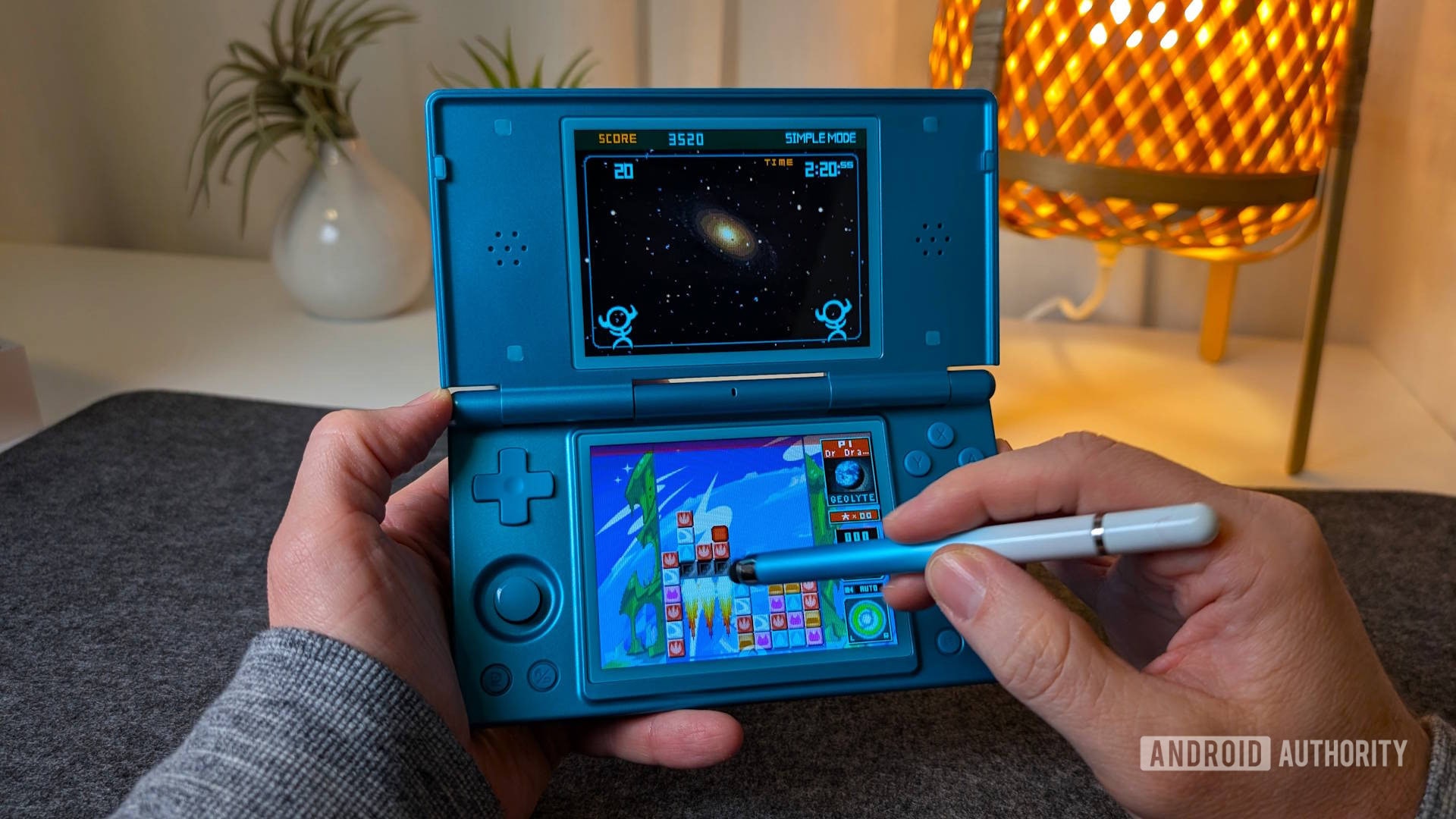
Blip’s primary advantage is its flexibility. On dual-screen devices, the launcher automatically splits the game display across both screens, which is ideal for titles originally designed for dual-screen systems. This feature significantly enhances the gaming experience, allowing players to get closer to the original gameplay intended by developers.
For single-screen devices, Blip operates differently. It utilizes empty space to display additional information. Users can view game covers, instructions, technical details, or other useful data in the lower or side panels. This approach makes the interface both functional and aesthetically pleasing.
Future Development and Synchronisation
The software’s development is ongoing. The creator is currently working on the Blip Cloud feature, which will allow gamers to save their progress to a cloud service. This is particularly important for users who switch between multiple devices. Synchronisation ensures that your saved data remains accessible regardless of which console you are using at the time.
For gamers who use portable consoles, the arrival of Blip is a welcome development. It provides users with the freedom to manage their device's interface and tailor it to their own preferences. As the number of dual-screen consoles on the market continues to grow, such software solutions are becoming increasingly relevant.