Black Friday: How to Spot Fake Discounts and Fraudulent Schemes
Real Discount or Marketing Trick?
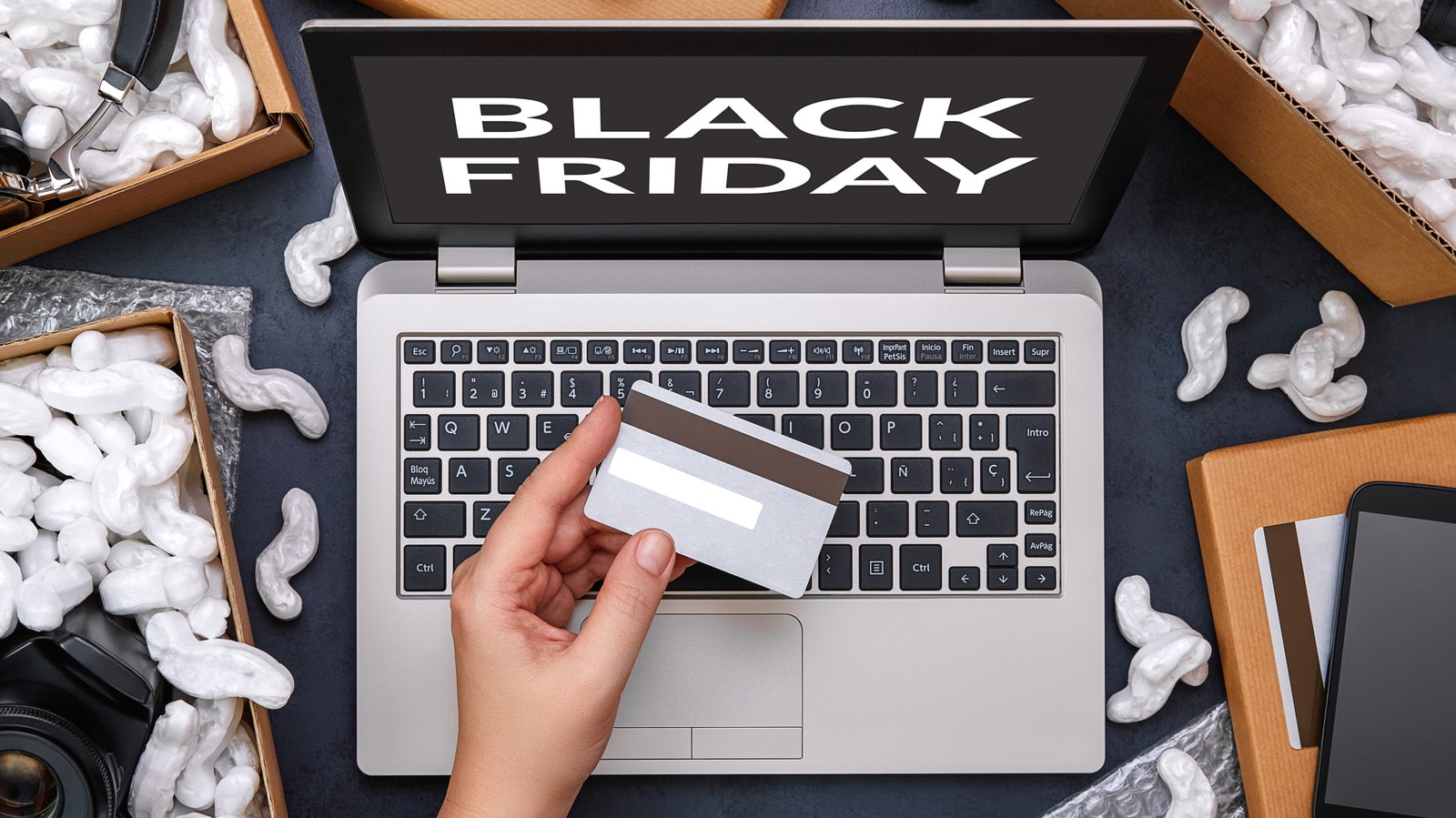
As Black Friday approaches, major retailers launch aggressive campaigns to attract customers. However, in many cases, a "grand discount" is essentially meaningless. Research confirms that the vast majority of products are sold at the same price, or even lower, at various times throughout the year compared to the November sales period.
Retailers often artificially inflate prices in the weeks leading up to the sales to create the illusion of a significant discount. For example, there have been documented cases in previous years where robot vacuums or household appliances were more expensive in November than they were during the summer months. Therefore, it is essential to check a product's price history before making a purchase.
How to Check Prices
Today, there are special tools available to help you avoid becoming a victim of marketing manipulation. If you are shopping on Amazon or other large platforms, use price monitoring services such as CamelCamelCamel or Keepa. These tools will show you exactly what an item cost over the past year.
Additionally, Amazon's internal assistant, Alexa for Shopping, also offers price history data. Using Google Shopping is another effective method, as it automatically compares prices across different stores and shows you whether the current offer is actually profitable.
Beware: Scammers Are Active
Beyond inflated prices, November is a peak period for cybercrime. Statistics show that more than half of all Black Friday-related spam messages are fraudulent. These often impersonate well-known brands, send fake coupons, and create "spoof" websites that look identical to legitimate stores.
The golden rule is simple: never click on links provided in suspicious emails or advertisements found on social media. It is safer to type the store's address directly into your browser. Also, pay close attention to the seller. Even on Amazon, where an item might be marked as "Ships from Amazon," the seller could be a third party whose reputation you should verify.
How to Protect Yourself
- Payment Method: If possible, use a credit card. This allows you to dispute the transaction if the item does not arrive or turns out to be counterfeit.
- Avoid Suspicious Requests: If a seller asks for payment via cryptocurrency, gift cards, or direct bank transfer, cease communication immediately. These are clear signs of fraud.
- Check Policies: Always review the return policy and the seller's rating before purchasing.
For shoppers who frequently order from international websites, these tips are especially relevant. Do not let your emotions get the better of you—smart shopping will help you avoid both financial loss and disappointment.