Biomemory Unveils Synthetic DNA-Based Data Storage Service
The new service, DNA Shield, offers an air-gapped solution for long-term data archiving.
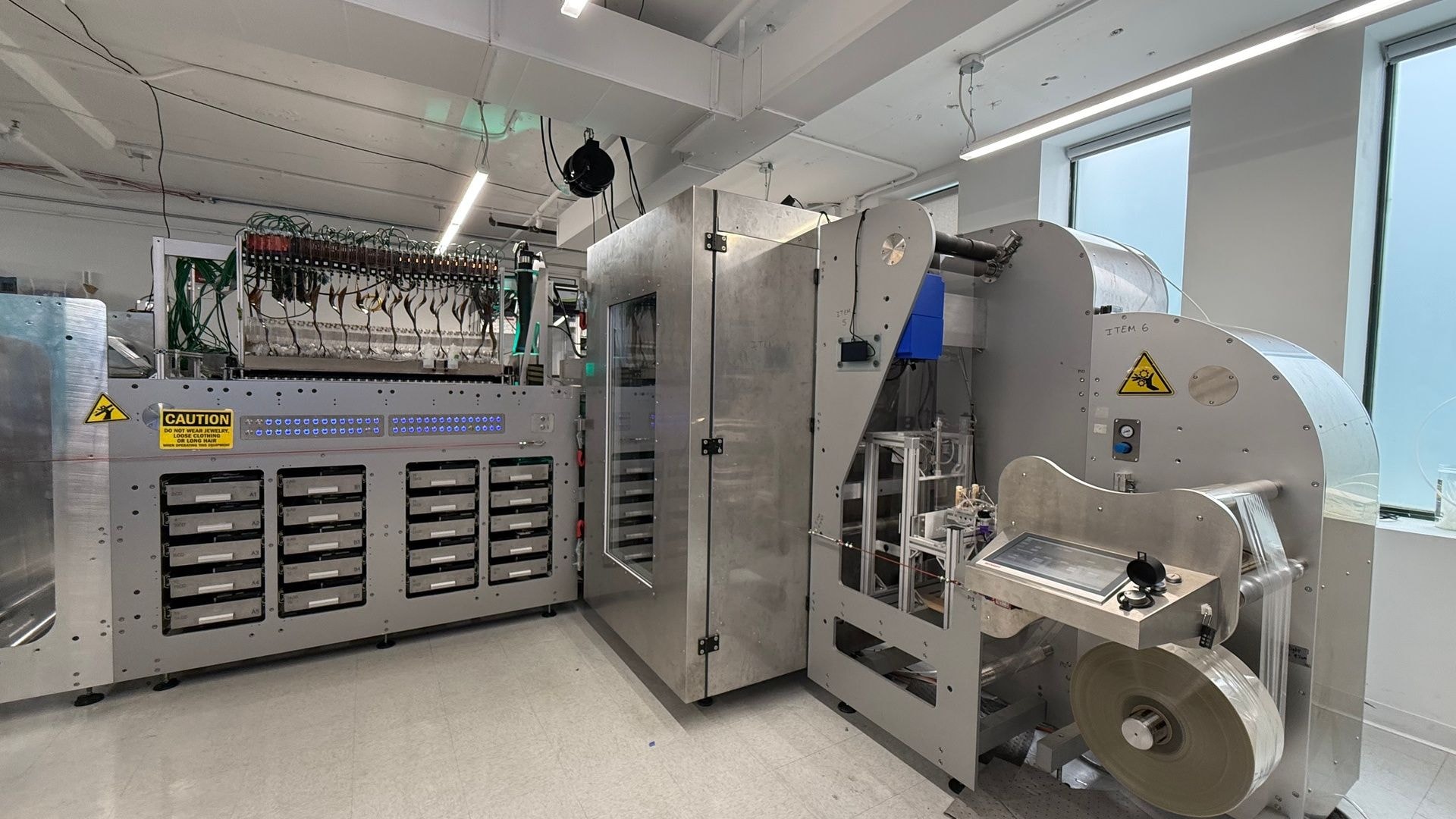
A new era in digital security is beginning as Biomemory officially introduces DNA Shield, a service replacing traditional data storage methods with synthetic DNA technology. This innovative approach aims to protect "cold data"—information that is rarely accessed but vital for long-term archiving.
Data storage at the molecular level
Approximately 60% of the world's data currently falls into the "cold" category, including biometric information, cryptographic keys, financial records, and intellectual property. Through DNA Shield, this information is converted into synthetic DNA molecules, which act as a physical storage medium. This method requires no electricity and offers a data density a million times greater than magnetic storage.
The primary advantage of this technology is its total isolation. Because DNA molecules are not connected to a network and are immune to traditional digital manipulation, they are protected from hacking and risks posed by artificial intelligence. According to the company, information stored in DNA can remain intact for up to 150 years.
Commercial phase and future plans
Biomemory CEO Eran Gengant noted that DNA Shield marks the company's transition from theoretical research to a real business product. This is the first time a "Molecular IT" product has entered the market. The project became viable after Biomemory acquired industry pioneer Catalog Technologies this past March.
The service is currently in a pilot phase, which will run until mid-2027, with a full commercial launch scheduled for later that year. Subscription fees start at €10,000 per month, indicating that the product is currently aimed at large institutions and corporations requiring maximum data security.
What this technology means
The launch of DNA Shield sends a significant signal to the tech world as cybersecurity threats continue to rise. This "air-gapped" storage, which does not depend on any cloud service or vendor, creates a new security standard. Although the technology is still in its early stages, its potential for scaling could eventually transform data archiving principles, not only for large companies but potentially for a wider audience in the long term.