Battery Capacity vs Battery Life: What Is the Difference?
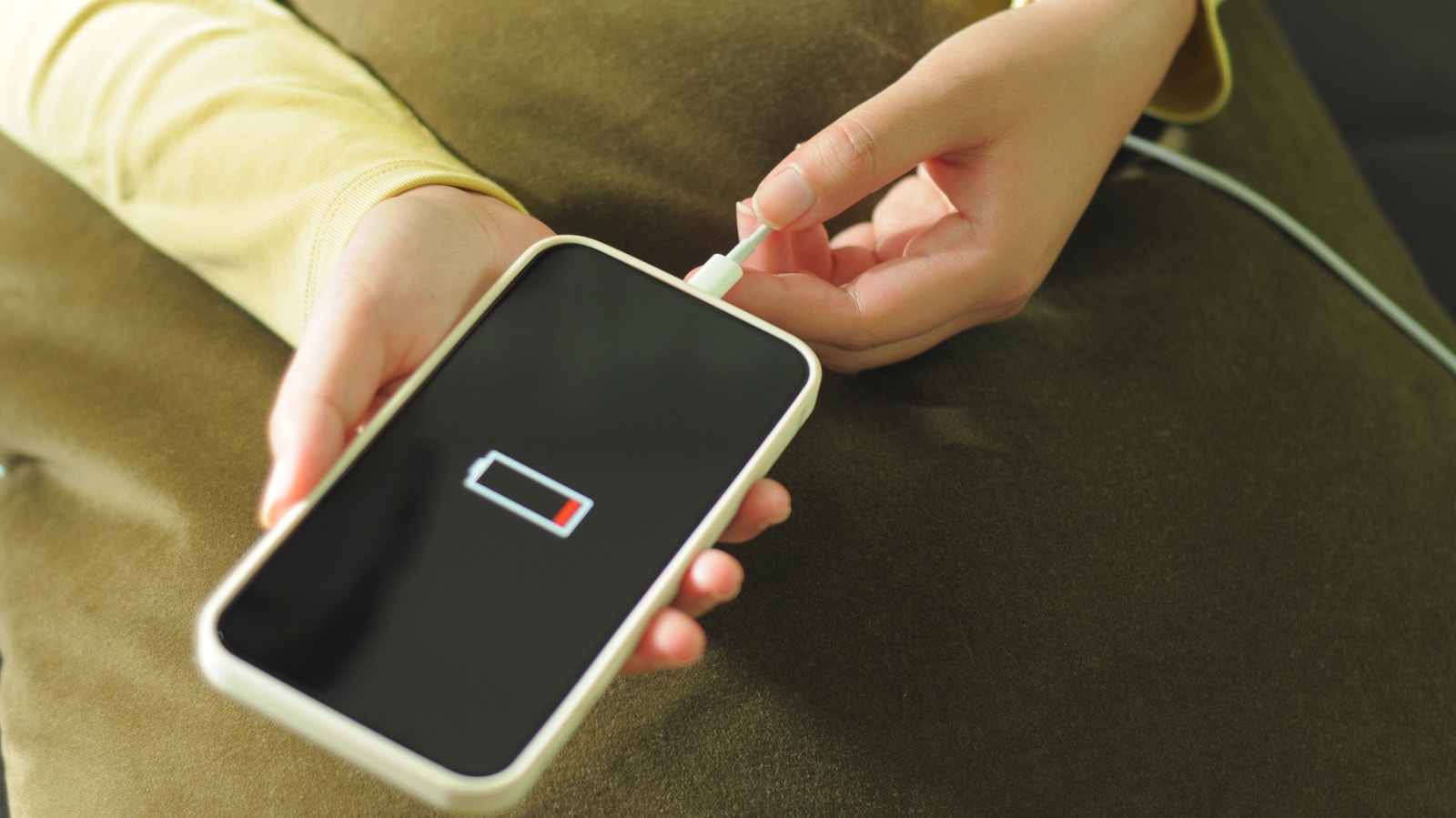
When shopping for a new smartphone, laptop, or other portable gadget, buyers often look at battery specifications first. Impressive figures on a spec sheet frequently drive purchasing decisions. However, a clear distinction must be made between two fundamental concepts: battery capacity and battery life.
While battery capacity is directly linked to how long a device can last, a high capacity rating does not automatically translate into extended endurance.
Capacity versus real-world battery life
Battery capacity is a physical metric indicating the maximum amount of energy a cell can store. In essence, it represents the device's potential power reservoir.
Battery life, on the other hand, is the real-world outcome — the duration a device can function on a single full charge. Higher capacity numbers do not always translate into longer run times, because the end result depends entirely on power efficiency.
The importance of energy efficiency
Two separate devices can feature identical battery capacities yet deliver markedly different endurance. Power consumption is shaped by component efficiency, display specifications, processor workload, and software optimisation.
Consequently, a gadget with a comparatively smaller battery can often outlast one boasting a larger battery on paper, provided its energy consumption is better managed.
Advice for consumers
Relying solely on battery capacity metrics when choosing tech is a flawed strategy. Consumers should instead look to comprehensive reviews and real-world benchmarks that demonstrate how a device holds up under everyday use.
Ultimately, battery capacity is merely theoretical potential, whereas battery life is the actual benefit delivered to the user.