Autonomous Car Racing: Why Track Crashes Spell Progress
High-speed track failures provide vital data to build safer autonomous driving systems for ordinary roads
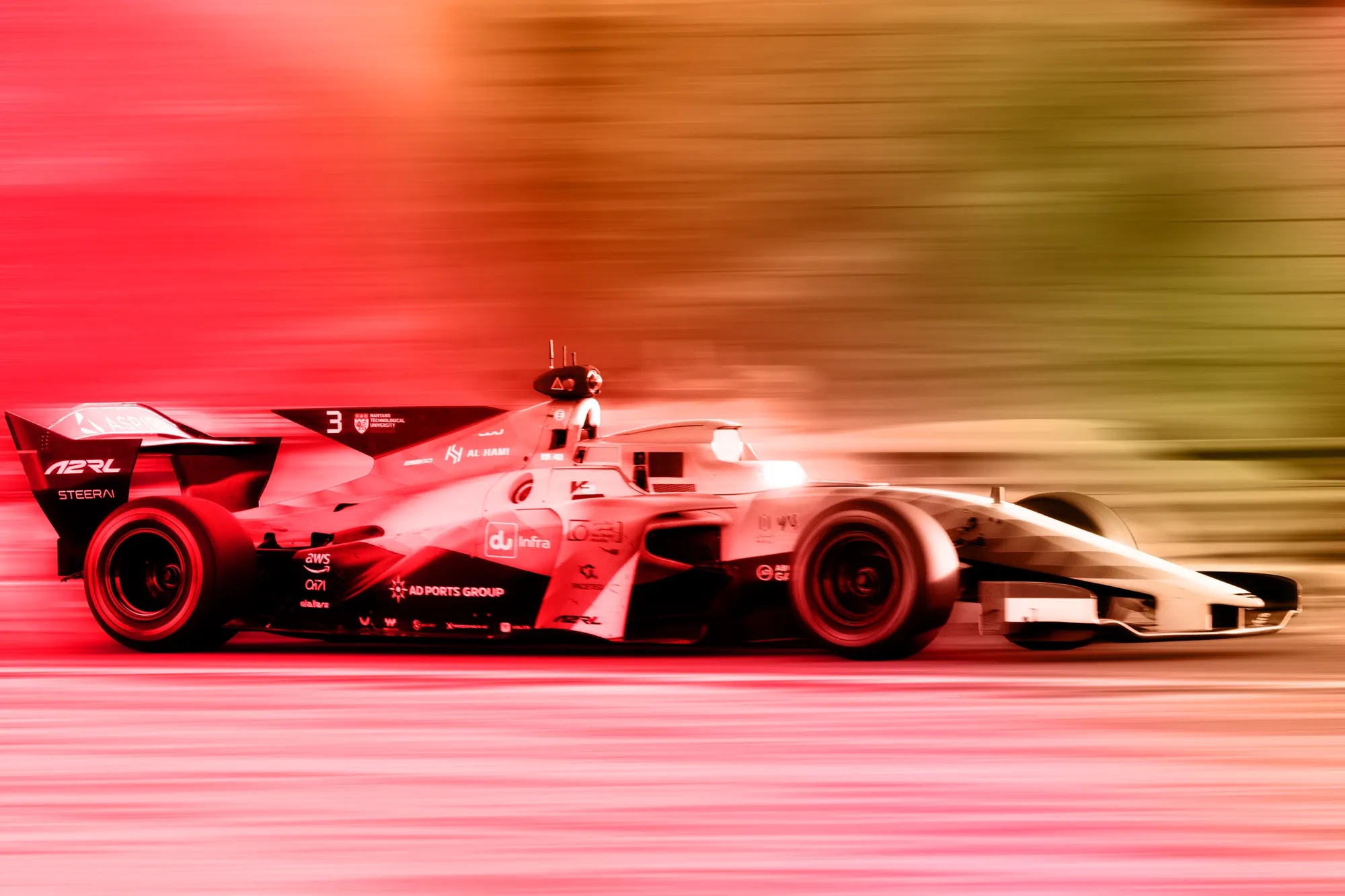
A Tough Test for Artificial Intelligence
The development of autonomous vehicles has entered a new phase. During a competition on one of Formula 1's most demanding circuits, where cars reached speeds of up to 250 km/h, only two out of five contenders managed to cross the finish line. The remaining three vehicles were knocked out following crashes on the track.
Although high-speed collisions may initially appear to be a setback, experts view them as an inevitable part of technological progress. These incidents provide clear insight into how autonomous systems react to blind corners and unexpected physical obstacles. Sensor disruptions and the punishing demands of a racing circuit offer an ideal proving ground for artificial intelligence.
Why Does This Matter?
Most autonomous driving systems are currently tested in controlled environments, such as urban streets or motorways, where vehicle speeds remain comparatively low. Data gathered under racing conditions allows engineers to better analyse vehicle behaviour in critical situations where the margin for error is razor-thin.
Ultimately, extreme trials like these will help create safer algorithms that perform far more effectively in ordinary road traffic. While autonomous vehicles may still seem a distant prospect in countries such as Georgia, global technological advancements directly influence how rapidly carmakers implement new safety standards across mass-production models.