Austrian Startup Obrist Files for Bankruptcy After Tesla Hybrid Ambitions
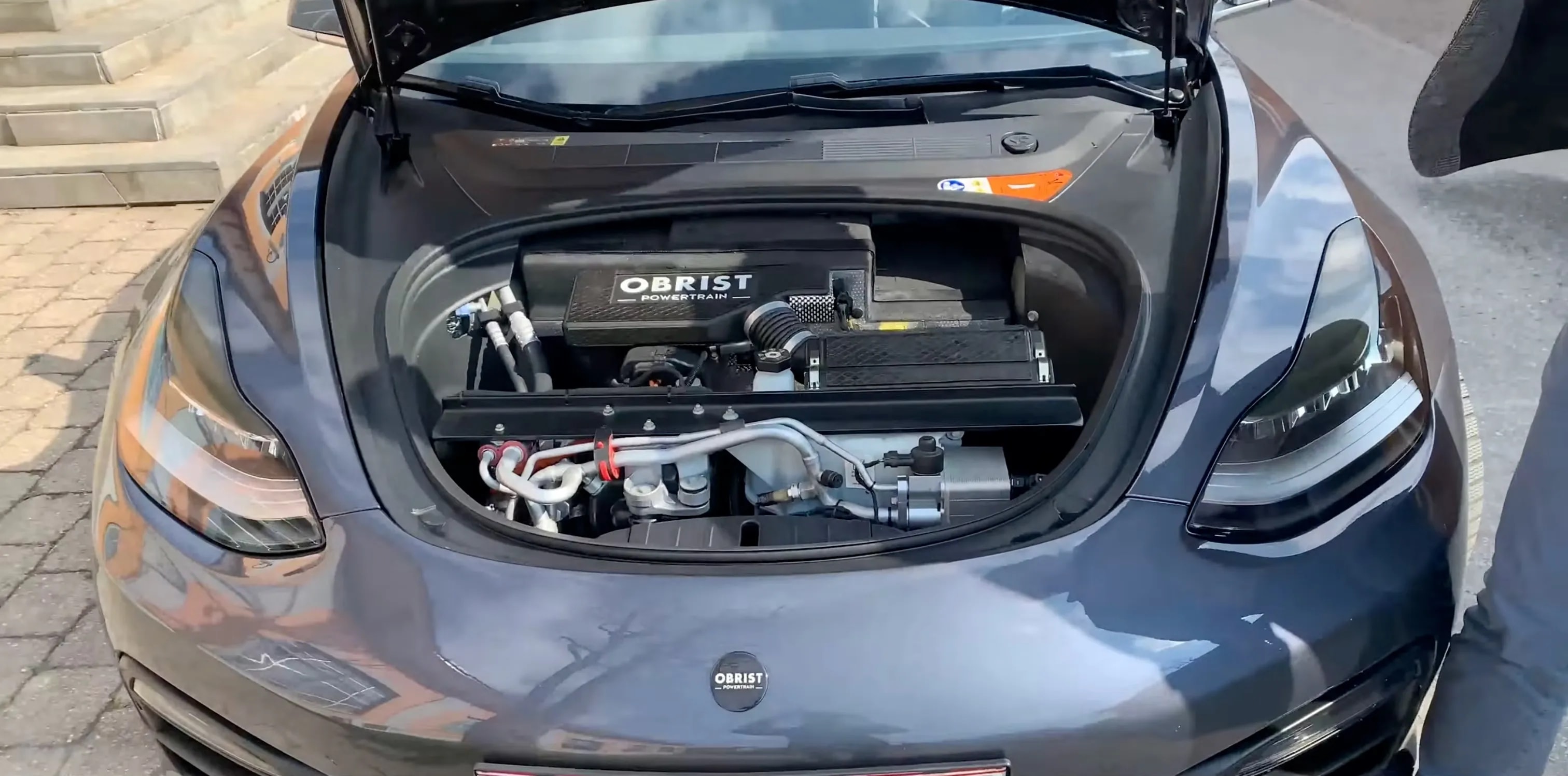
The Austrian engineering firm Obrist, known for its controversial attempts to install internal combustion engines into Tesla electric vehicles, has filed for bankruptcy. Three of the company's subsidiaries have been declared insolvent, with total debts amounting to approximately $37 million (31.8 million euros).
The Failed History of 'HyperHybrid'
For over a decade, Obrist promoted its "HyperHybrid" concept. The company claimed its system, which replaced a portion of an electric vehicle's battery with a small gas-powered generator, was a more efficient alternative to traditional EVs. Despite bold claims, the company never managed to bring a single production vehicle to market.
In 2020, the firm unveiled a prototype based on a Tesla Model 3, featuring a 40-kilowatt two-cylinder engine under the bonnet. At the time, Obrist claimed the system would provide a range of up to 1,000 kilometres and that vehicles would be on the road by 2023. However, the promised international partners and mass production never materialised beyond the drawing board.
Growing Ambitions and Final Collapse
Obrist’s rhetoric shifted over the years. By 2022, the company pivoted to synthetic fuels, or "aFuel," claiming its technology could absorb carbon dioxide from the atmosphere. In recent years, the firm's ambitions peaked as it announced plans to build multi-billion-dollar "gigafactories" in Namibia, Egypt, and Thailand to replace fossil fuels entirely.
Founder Frank Obrist attributed the financial collapse to high operating costs, failed investor negotiations, and the broader crisis within the European automotive industry. However, experts suggest the primary reason for the failure is that global automakers are shifting toward fully electric vehicles, while battery technology continues to become more affordable and efficient every year.
What This Means for the Auto Industry
The Obrist case serves as a classic example of an engineering startup evolving into a "press release machine" that generates promises rather than tangible products. As electric vehicle ranges increase and charging infrastructure expands globally, the necessity for "range extender" hybrid systems is diminishing.
Following an Austrian court ruling, the company’s structural reorganization has been deemed impossible, and operations will cease entirely. The outcome confirms that bold ideas alone are insufficient for success in the automotive market; a viable, competitive product that meets consumer demand is essential.