AST SpaceMobile to Develop Its Own Rocket, Blacklift
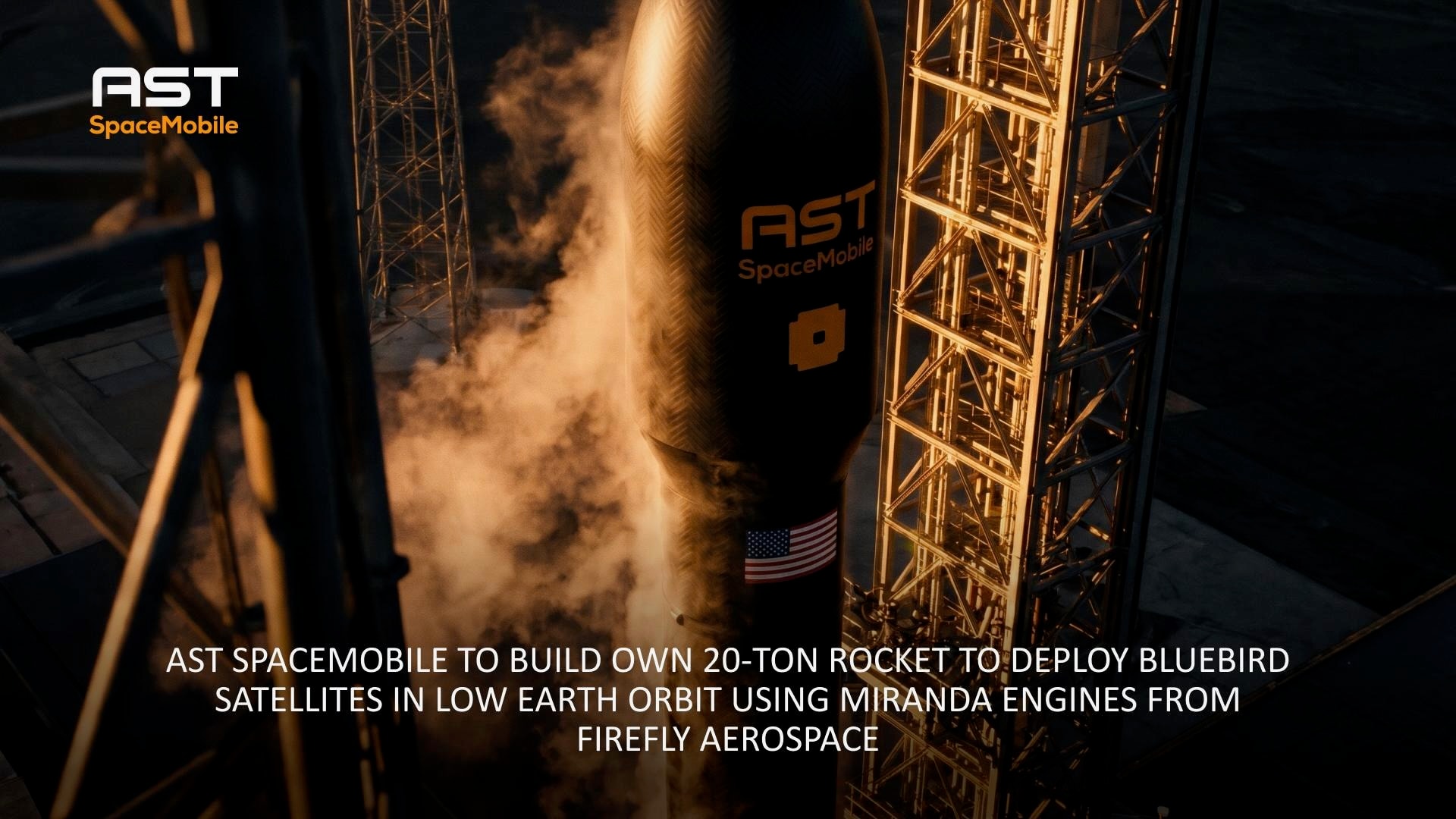
The space industry is gaining another ambitious project. Texas-based AST SpaceMobile, known for its satellite internet network, has announced the development of its own rocket, named Blacklift. The project aims to allow the company to independently launch its BlueBird satellites into low Earth orbit (LEO).
A Strategic Move Toward Independence
Currently, AST SpaceMobile relies on industry giants such as SpaceX, Blue Origin, and the Indian space agency to deploy its equipment into orbit. However, company founder and CEO Abel Avellan states that owning its own rocket will provide a competitive market advantage and significantly reduce costs. The first launch of Blacklift is scheduled for 2028.
The rocket's capabilities are substantial: it will be able to carry up to 20 tonnes of cargo, allowing for the deployment of up to five BlueBird satellites in a single launch. For comparison, the payload capacity of SpaceX's Falcon 9 is approximately 25 tonnes. This step will enable the company to independently expand its global connectivity network, which provides internet access directly to mobile phones.
Collaboration with Firefly Aerospace
Development of the Blacklift will not start from scratch. AST SpaceMobile has signed a partnership agreement with Firefly Aerospace, which will provide the rocket engine technology. The first three launches will be carried out using the Miranda and Vira engines supplied by the company. Later, under a licensing agreement, AST SpaceMobile will begin manufacturing the engines itself.
The Miranda engine has already undergone intensive testing on Earth. According to company data, the engine has completed more than 175 hot-fire tests, totaling 4,200 seconds. This technological foundation allows the company to avoid the traditional 5- to 10-year development cycle.
Why This Matters
The launch market in the space sector is set to change radically. SpaceX plans to gradually replace the Falcon 9 with its mega-rocket, Starship. As SpaceX prioritizes the launch of its own Starlink and AI services, a shortage of rockets for other companies could become a real problem. Against this backdrop, owning its own rocket is a critically important strategic decision for AST SpaceMobile.
For users globally, this news is significant because competition in the satellite internet market is intensifying. As more companies become capable of efficiently deploying their own infrastructure into orbit, high-speed connectivity will become more accessible in any part of the world, including remote mountainous regions.