Artificial Intelligence Is Ushering in a 'Dark Age' of Cybersecurity
Cognition's Chief Security Officer Alex Stamos warns that AI-equipped hackers are already everywhere.
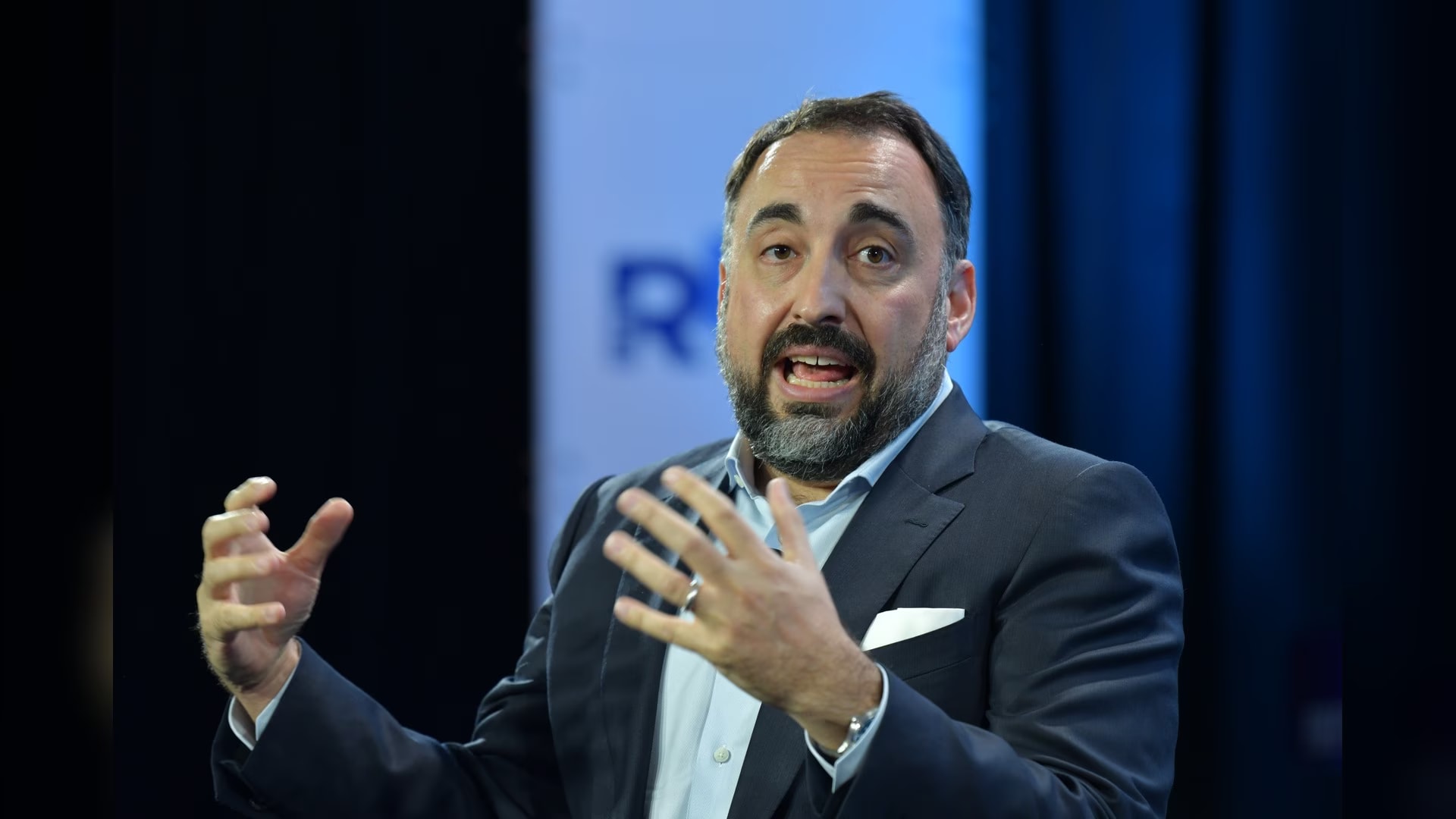
The cybersecurity landscape is entering a dangerous new reality. According to Alex Stamos, Chief Security Officer at Cognition, the rapid advancement of artificial intelligence has granted hackers capabilities previously reserved for elite, state-sponsored groups. Stamos warns that we have entered a "dark age" where the costs of defense are skyrocketing while the cost of launching an attack has plummeted to near zero.
A Ubiquitous Threat
Stamos emphasizes that modern hackers no longer require access to the most powerful, cutting-edge AI models. Instead, they are utilizing "open-weight" models that can run on standard consumer hardware. For example, the Chinese-developed offensive tool ARTEX, when paired with the GLM-5.3 model, allows attackers to automatically identify system vulnerabilities and execute attacks in real time.
The statistics are alarming. Recent cyberattacks against South Korean banks in October have been linked to AI-driven tools. Stamos reports that approximately 200 companies suffered similar breaches in just one week. This is not merely a theoretical risk; it is a "low-level access industry" where smaller groups harvest system access to sell to larger criminal organizations.
A New Strategy for Defense
Stamos offers a stark recommendation for businesses: every company must audit its systems using AI-powered tools within the next 90 days. "If you do not do this, your system will be compromised," he states. He argues that simply installing software patches is no longer sufficient, as new AI models are discovering thousands of vulnerabilities every day.
Companies must shift their initial security monitoring to AI. Stamos proposes that tech giants like Google and Amazon should rewrite the server-side Linux kernel in the Rust programming language to improve memory safety. However, such an undertaking would require hundreds of millions of dollars in investment.
What Lies Ahead for Business?
Stamos criticizes AI companies for providing less secure services to European and Asian clients compared to their American counterparts. He advocates for AI developers to be held legally responsible if their technology causes harm. He cites a recent incident in France where a cyberattack disabled blood bank refrigeration units as a prime example of the real-world stakes.
These threats are particularly relevant for organizations in regions where digital infrastructure protection lags behind global trends. Local companies and state entities must recognize that cybersecurity is no longer just an IT department concern—it is a fundamental requirement for business survival. To track the scale of this crisis, Stamos plans to create a "Dark Age Index" to monitor the rate of software vulnerability growth.