Artificial Intelligence in Emergency Management: Risks and Challenges
Emergency management agencies are increasingly using AI to alert the public, yet the accuracy and reliability of this technology remain under scrutiny.
Technology: Lifesaver or Potential Threat?
In a modern world where climate-related disasters are becoming increasingly frequent and destructive, timely and accurate public information is critical. Emergency management specialists are turning to generative AI to draft alerts. While this technology processes data rapidly, experts warn that without human oversight, AI-generated content can lead to serious errors.
Recently, a local manager used AI to create a graphic depicting the threat of an approaching hurricane. The visual proved meteorologically inaccurate. Although many agencies officially prohibit the use of such tools, staff often turn to ChatGPT or similar chatbots in practice to save time and prepare warnings quickly.
The Human Factor and Communication Crisis
Emergency management officials often struggle to convey complex information clearly. Excessive technical jargon, unnecessary details, or incomplete information frequently lead to public confusion. Historically, poor communication has led to tragic outcomes. For example, in 2017 in California, inadequate messaging meant the public failed to grasp the severity of a landslide risk, resulting in casualties.
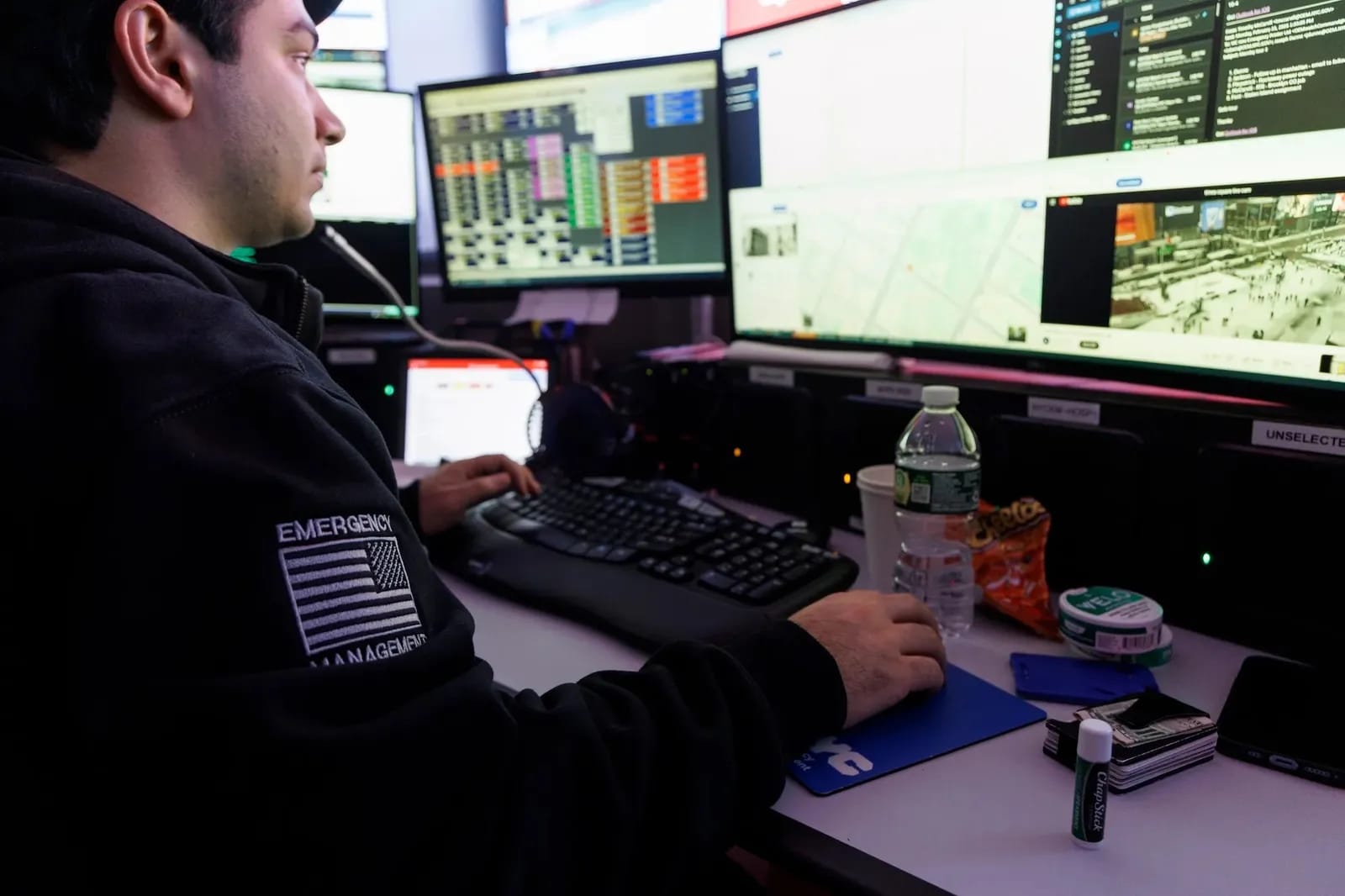
Experts note that AI could improve this process. Specialized models based on best practices in disaster management might draft clearer, more concise instructions than an exhausted or inexperienced human. However, there is a flip side: public trust. If citizens discover that a life-critical warning was written by a "robot," it could foster distrust in authorities.
What Does the Future Hold?
Although technology startups like EM1 are already offering specialized software for emergency management, experts urge caution. AI can correct errors, fix grammatical flaws, and structure information, but it lacks "human intuition" and a sense of responsibility.
Ultimately, technology must remain only a supporting tool. Emergency management professionals state that until AI reaches perfection, every warning must pass through a human filter. For Georgia, where the implementation of such technologies is still in the early stages, this experience serves as an important lesson: digital innovation should not replace critical thinking, especially when it comes to human safety.