Artificial Intelligence in Court: Should AI Make Legal Decisions?
A senior British judicial official suggests that artificial intelligence could accelerate the justice process and make it more accessible to the public.
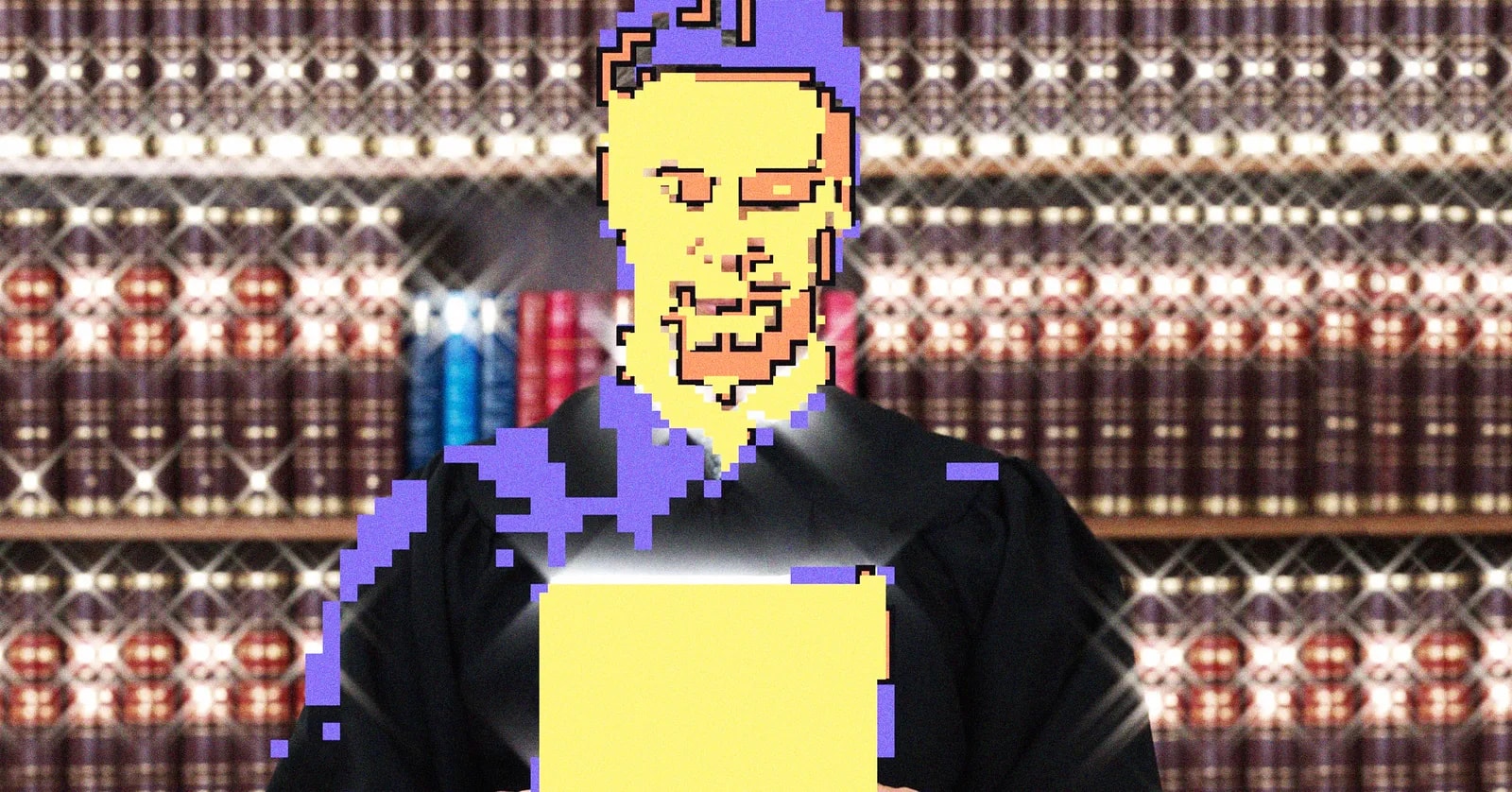
The role of artificial intelligence (AI) in the judicial system is becoming an increasingly urgent topic of debate. Sir Geoffrey Vos, the Master of the Rolls and one of the most senior figures in the British civil justice system, believes it is time for legal systems to embrace technological progress. As he nears retirement, Vos argues that AI has the potential to radically transform the dispute resolution process.
Technology as an assistive tool
Currently, British judges are advised to use AI strictly for administrative purposes. Vos himself acknowledges using Microsoft Copilot to process large volumes of documents and conduct research, noting that the tool saves him significant time in his daily workflow. He is also inspired by the experience in Shenzhen, China, where AI is already actively involved in resolving civil disputes.
Vos suggests that in the future, simple civil cases—such as claims for damages or professional negligence—could be handled entirely by AI. This approach would make justice faster and more affordable, which is particularly important for those who often find legal services financially inaccessible.
Challenges and ethics
Naturally, the adoption of this technology carries risks. Lawyers citing "hallucinated" or fabricated legal precedents has already become a problem. Furthermore, the use of chatbots has led to an increase in court filings, some of which are unfounded. Nevertheless, Vos notes that this trend indicates increased accessibility, as more people attempt to resolve their problems through legal channels.
Another pressing issue is AI-generated fake evidence, such as deepfake photos, videos, or audio recordings. Vos does not consider this a new problem; he maintains that courts have always dealt with forged evidence, and a judge's primary duty remains finding the truth, regardless of how the falsified material was created. Responsibility remains governed by law, and such actions will continue to be punishable.
What does the future hold?
Despite his optimism, Vos admits there are areas where the human factor will remain indispensable. Family disputes, child custody issues, and complex commercial cases will likely remain under the purview of human judges. People have a psychological need to be judged by another human being.
Ultimately, Vos believes that the discussion regarding AI’s role is essential. Society and lawmakers must determine the boundary between technological assistance and the decision-making process. The justice system must evolve to meet the needs of the modern generation, while ensuring that trust and transparency remain the core principles of the process.