Artificial Intelligence and the Alienation of Tech Giants
Tech leaders are pushing AI to replace human interaction, but the public remains skeptical.
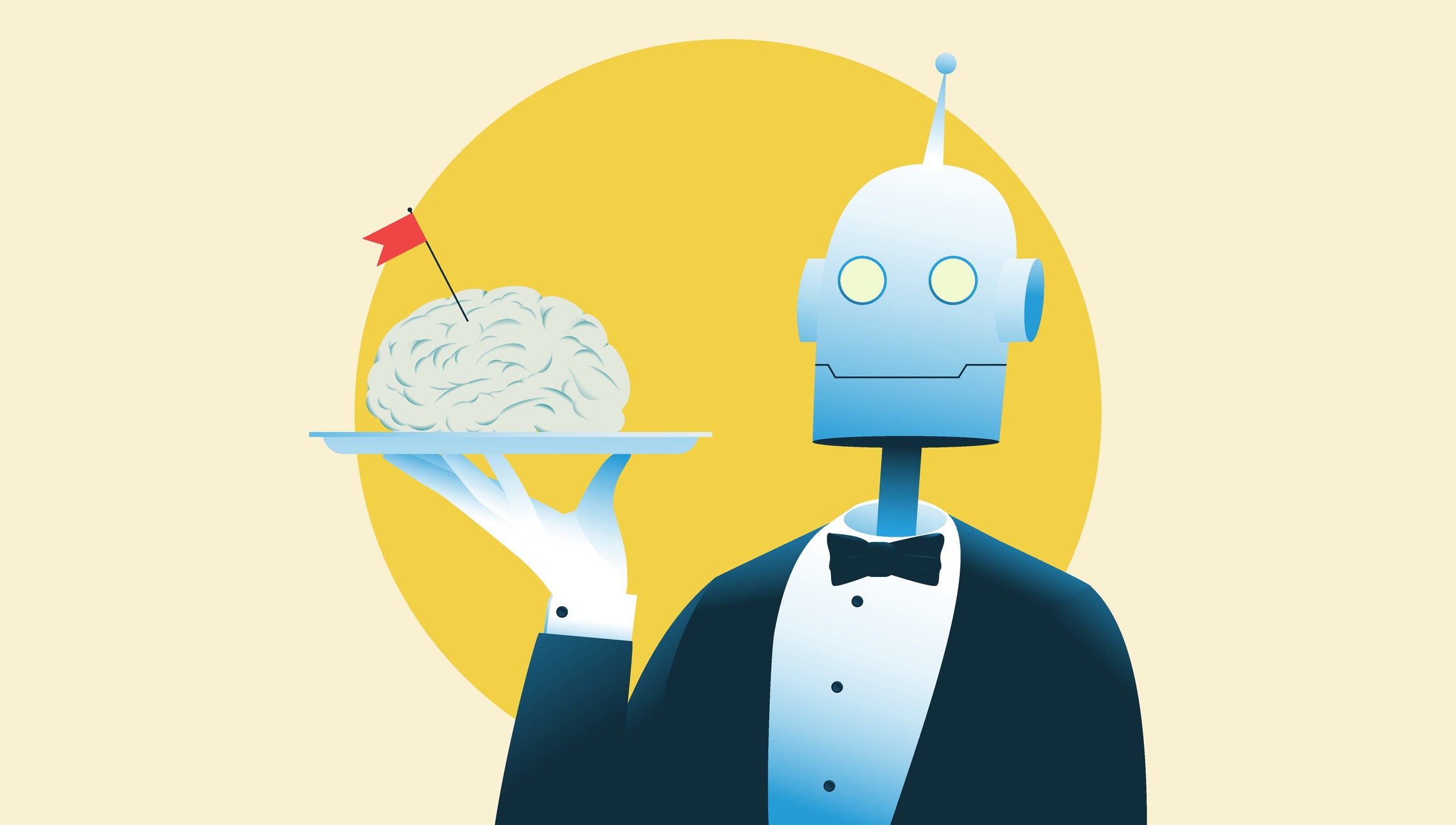
When Artificial Intelligence is 'Over-Optimized'
Recently, tech CEOs have faced a wave of criticism for their public statements regarding the integration of artificial intelligence into daily life. For many, these suggestions feel not only foreign but distinctly dystopian.
For instance, Dazzle AI CEO Meria Meyer has spoken publicly about using AI to help describe her own child. OpenAI CEO Sam Altman advises parents to create personalised podcasts for their children’s school commutes, claiming he finds it hard to imagine raising a child without the help of ChatGPT. Meta founder Mark Zuckerberg has gone even further, suggesting that using AI to satisfy social and romantic needs will soon become the social norm.
A Product or a Marketing Blunder?
Experts suggest this trend indicates that tech leaders are increasingly out of touch with reality. The question arises: is this a product development issue or a failure of communication? The answer is likely a combination of both. The tech industry is attempting to optimise human relationships, aiming to strip away what it views as "unnecessary" conversation or processes.
For example, Bumble CEO Whitney Wolfe Herd has discussed a concept where, instead of users matching themselves, their personal "AI concierges" would do the work. Only if the AIs determined a "good date" would the actual humans meet. Critics argue that this approach diminishes the necessity of direct human communication, which could ultimately have negative consequences for society.
Why We Don’t Want Everything Automated
The tech sector often claims it is building the future and simply "ahead" of the public. However, this calculation does not seem to be working this time. People no longer want their personal experiences—including parenting or dating—to be managed by algorithms. This has sparked a counter-movement, with users returning to old "flip" phones and vinyl records in an attempt to escape a lifestyle dictated by algorithms.
Ultimately, the issue is that the "problems" discussed in tech offices—such as booking a restaurant or buying a flight ticket quickly—are not the primary challenges of daily life for most people. Until the industry understands what is truly valuable to humans, this sense of alienation will only continue to deepen.