Apple's New MacBook Pro: Significant Changes Without Performance Gains
An Unexpected Strategy From Apple
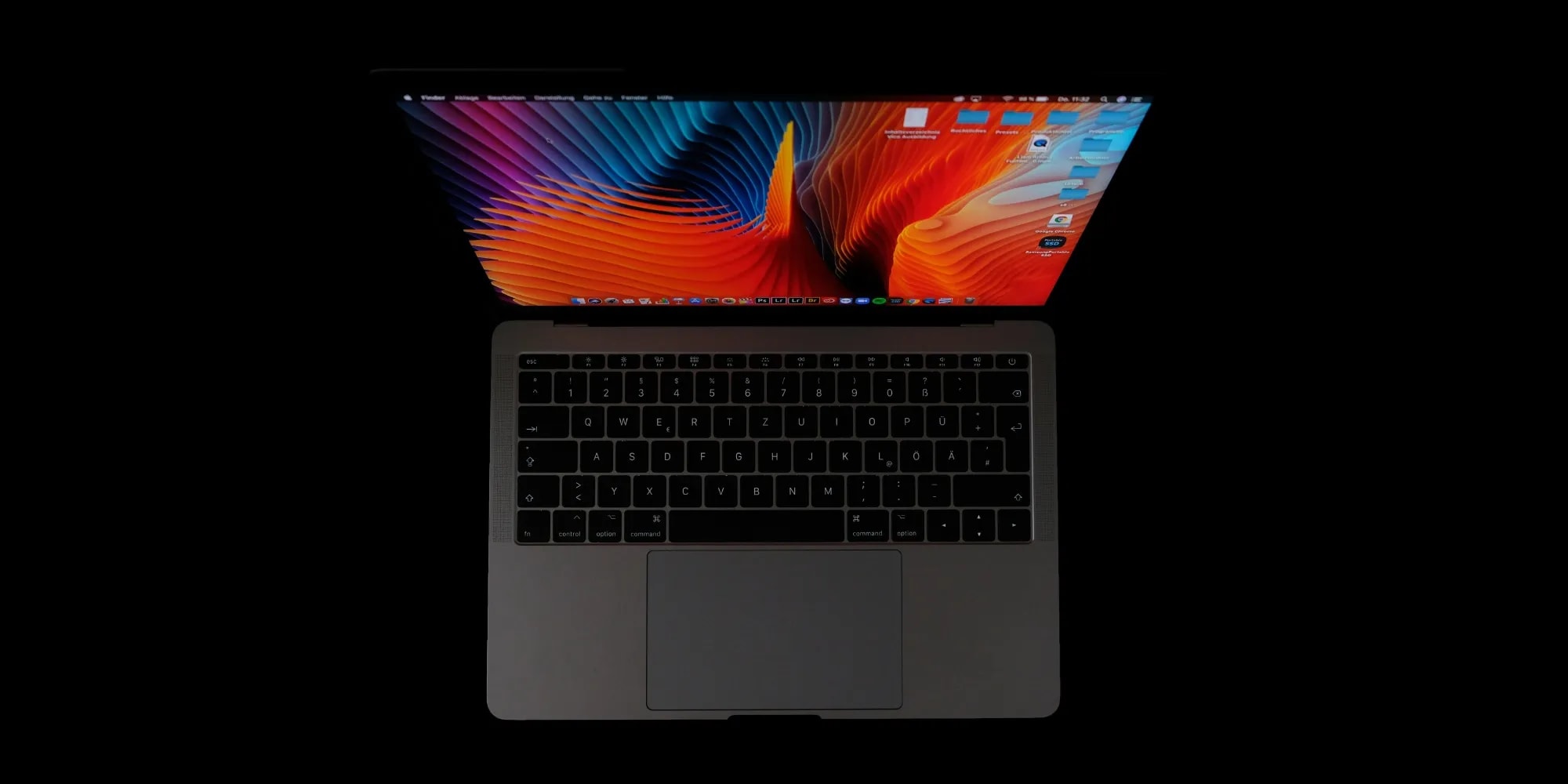
On October 28, Apple will host a special event titled "Pro and tell," where the company is expected to present a significantly redesigned version of its premium MacBook Pro laptop line. While users anticipate improvements in design and various functional features, a specific detail has raised questions in the tech world: the new models will not offer an increase in processing power.
According to current data, the new MacBook Pro will be equipped with the same M5 Pro and M5 Max chips that appeared on the market eight months ago. This means the device, traditionally considered a professional work tool and a benchmark for high performance, will not feature a boost in productivity this time. This decision is quite unusual for Apple, especially given the market's expectation for annual technical progress.
Why Has the Chipset Not Changed?
Reports suggest that Apple has decided to skip the M6 series processors to focus its resources on developing the M7 Pro and M7 Max chips, which are planned for 2027. This strategy is likely intended to facilitate a larger technological leap in the coming years, though it leaves potential buyers of the current model with a difficult choice.
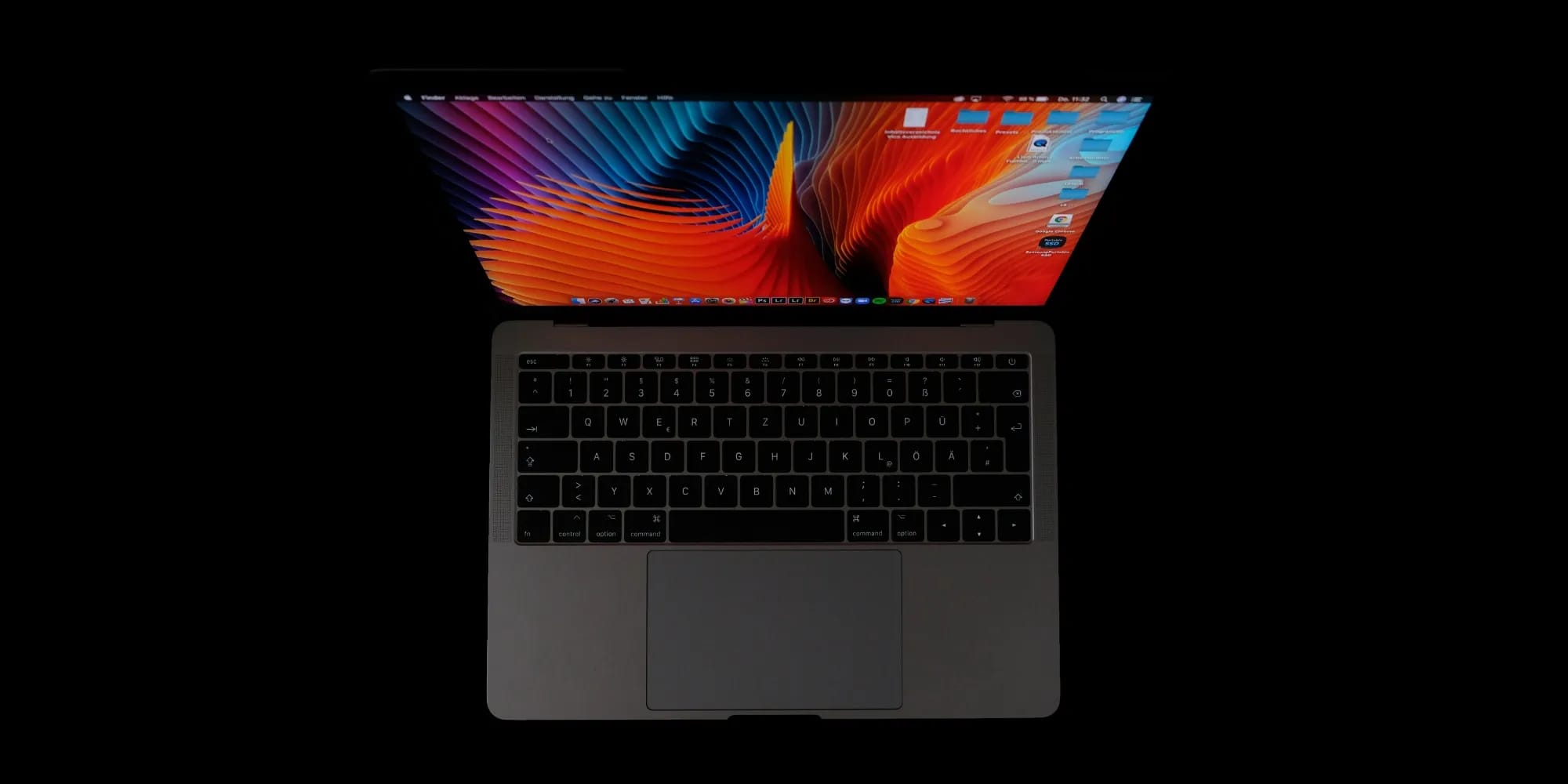
The pricing issue is particularly noteworthy. The starting price of the MacBook Pro is expected to remain around $2,999. For customers paying this amount for a new laptop, the fact that the device is not technically faster than its predecessor may be a source of disappointment. It remains unknown whether Apple will offer any additional benefits to balance this situation.
What Does This Mean for Users?
The main intrigue currently lies in how Apple will position this product. Will the company be able to convince professionals who skipped the M5-powered models earlier this year that now is the time to upgrade? This question remains open until the event itself.
For users who actively rely on Apple hardware, this news holds dual significance. On one hand, design changes may be attractive; however, the stagnation in technical specifications suggests that if you already own an M5 series device, upgrading to the new model is unlikely to provide any practical advantages. Apple's future steps will clarify how effective this long-term strategy is and how it will impact the global market.