Apple’s New MacBook Pro Features Touchscreen and Enhanced Hinge
A Technological Breakthrough in Laptop Design
Apple’s upcoming event in Los Angeles has captured the attention of the tech world. The company plans to introduce updated 14-inch and 16-inch MacBook Pro models which, according to reports, will be equipped with touchscreen support. This innovation marks a significant step in the history of laptops, offering users an entirely new interaction experience.
New Hinge Mechanism and the iPhone Duo Connection
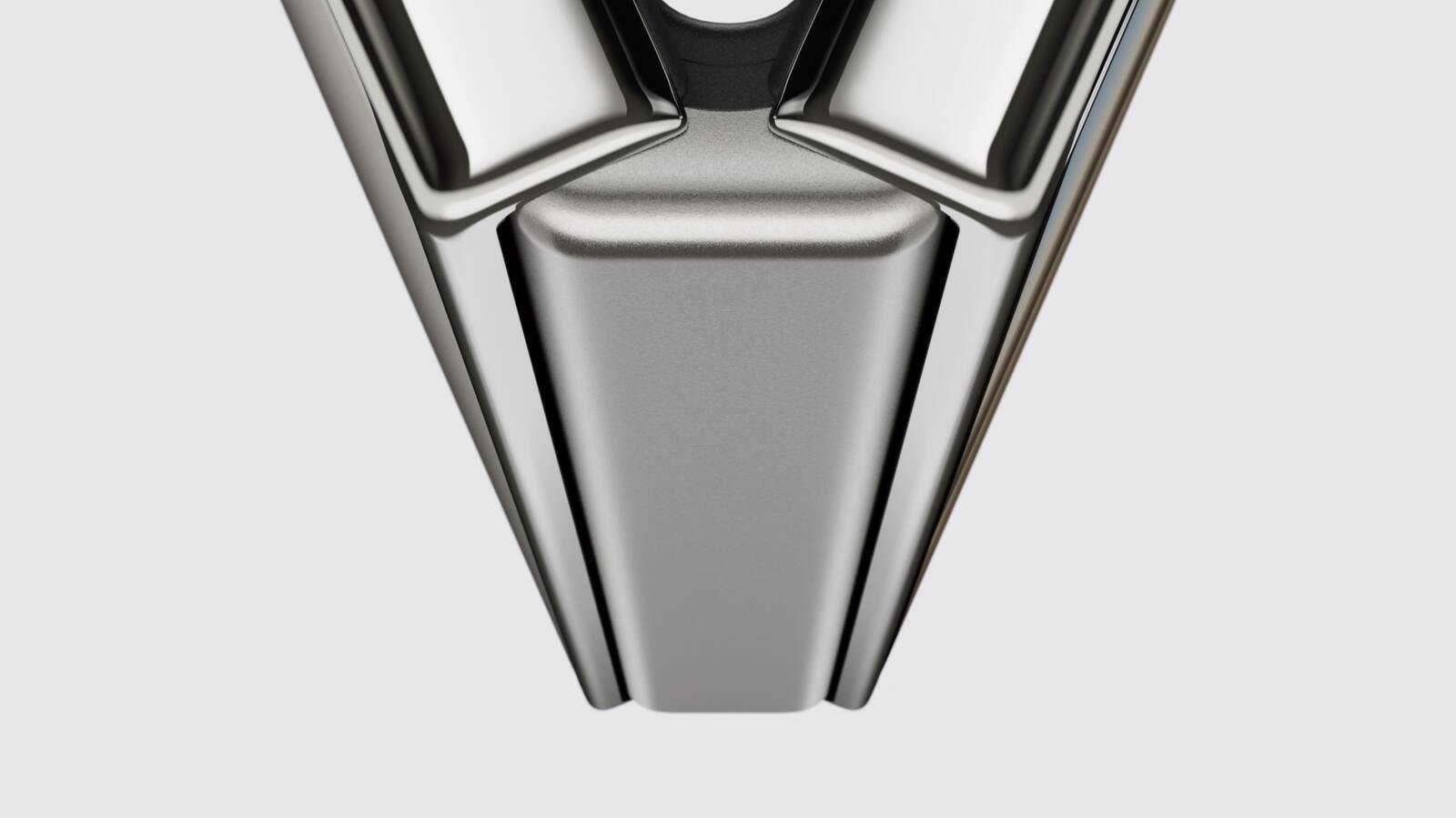
Experts believe the primary innovation of the MacBook Pro lies in its structural design. To ensure the stability of the touchscreen, Apple has redesigned the hinge mechanism from the ground up. Interestingly, this technological solution is directly linked to the development of future generations of the iPhone Duo. It appears the company is applying shared engineering approaches to both foldable smartphones and portable computers.
Beyond stability, the new hinge design facilitates an improved cooling system. Enhanced airflow circulation at the rear of the laptop will allow the device to maintain high performance even under heavy loads. This is particularly important for professional users engaged in video editing and complex computational tasks.
Technical Specifications and Price Increases
The new MacBook Pro models will be powered by M5 Pro chips, making them significantly more powerful than the previous generation. Screen technology is also receiving a major upgrade, with Apple utilizing dual-layer OLED panels to provide better colour accuracy and contrast. However, this technological leap will be reflected in the price. Forecasts suggest the 14-inch model will start at $2,899, which is $500 more than the current model.
What Awaits the Consumer?
Although introducing a touchscreen to laptops is an unusual move for Apple, the company is striving to unify its ecosystem as much as possible. The increase in screen size for future iPhone Duo models (from 7.9 to 8.1 inches) alongside the new MacBook design suggests that Apple is looking to blur the lines between different device categories. For users, this means even greater functionality in premium-segment hardware, though given the high price point, such devices will remain a niche product.