Apple’s New iPhone Duo Silicone Case Relies on Adhesive Backing
The official accessory for the new foldable device has left many customers disappointed.
An Unusual Decision from Apple
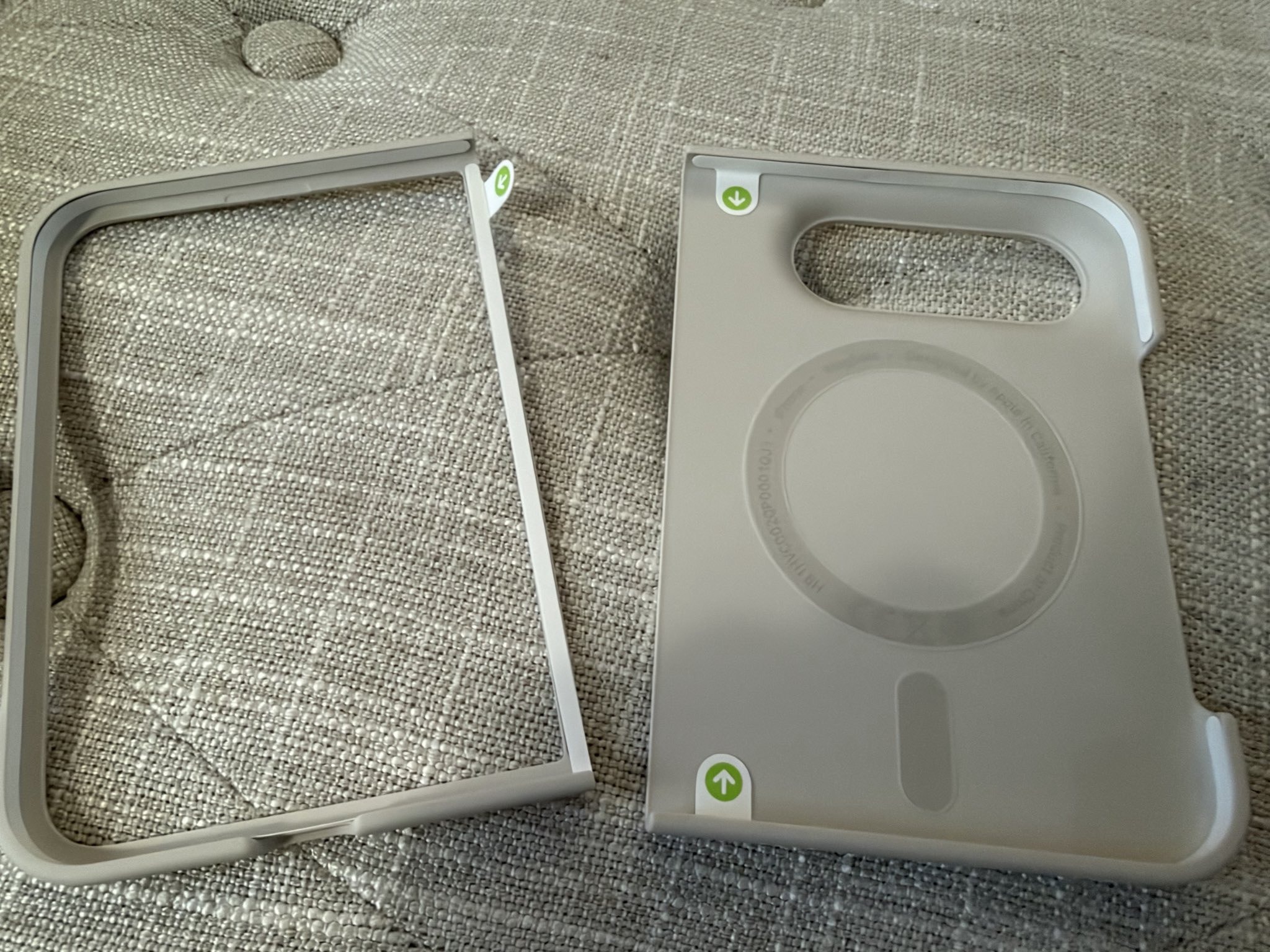
Apple’s latest and first foldable smartphone, the iPhone Duo, has generated significant market interest, but its official accessories have ignited a heated debate. The company’s 79-dollar silicone case, traditionally one of the most popular choices, features a radically different construction this time. As early adopters report, using the case is practically impossible without the included adhesive strips.
The issue lies in the adhesive layer applied to the inside of the case, which requires the removal of a protective film before installation. Without this, the case does not sit securely on the smartphone and slips off easily. This marks the first time Apple has opted for such a non-reusable fixation method for an official protective accessory. For many users, this decision was unexpected and confusing, especially given Apple’s heavy reliance on magnetic systems like MagSafe.
Why This Causes Problems for Users
The primary question raised within the tech community concerns the practicality of the case. Many users are accustomed to frequently changing accessories or occasionally using their smartphone without a case. The presence of an adhesive layer complicates these actions significantly, as each removal and reattachment process reduces the effectiveness of the sticky surface. Consequently, the case loses its functionality, and the protection of the smartphone is no longer reliable.
Critics note that this approach contradicts Apple’s traditional premium standards, where design and functionality exist in harmony. However, some loyal users explain this through the unique nature of the iPhone Duo’s foldable construction, where traditional locking mechanisms might have been technically difficult to implement.
Alternative Options
If you own an iPhone Duo and do not want to deal with the issues of an adhesive case, Apple offers alternatives. The company sells a 129-dollar Folio case that functions without such limitations. Furthermore, third-party manufacturers have already entered the market, offering protective cases that utilize more traditional, mechanical fixation systems instead of adhesive layers.
Following the arrival of the iPhone Duo in the Georgian market, users will have to make a choice: purchase the Apple-branded accessory, which requires specific maintenance, or turn to alternative options. In any case, this situation highlights once again that new technological form factors, such as foldable smartphones, often require a complete rethinking of accessory design.