Apple's New Direction: Why a Touchscreen MacBook May Be Coming
A Skeptical History of Touchscreens
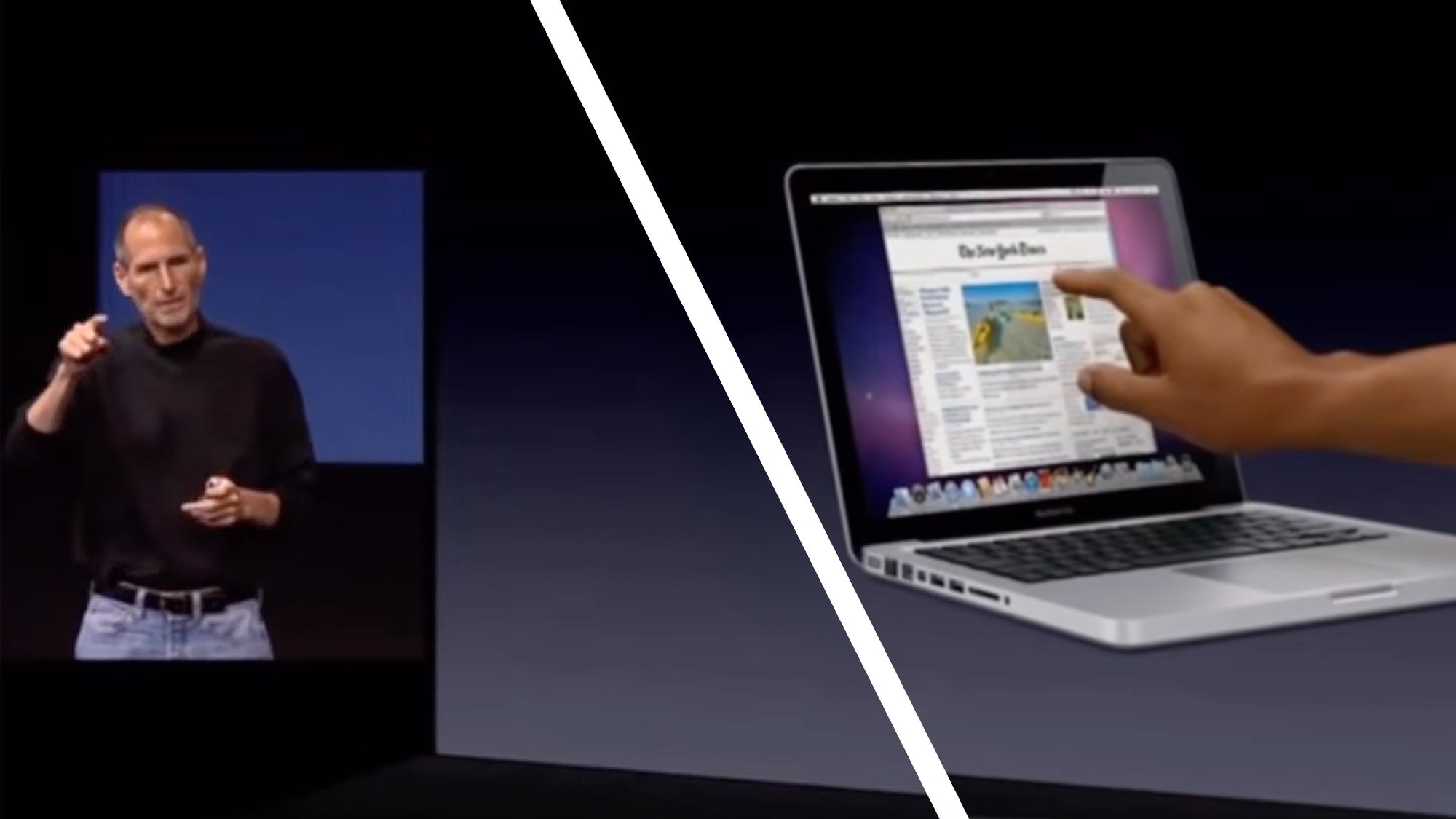
For years, the concept of a touchscreen MacBook was considered a taboo subject at Apple. In 2010, Steve Jobs publicly stated that touch interfaces on vertical surfaces were ergonomically flawed. He argued that such a design was tiring for users and caused rapid muscle fatigue. For over a decade, Apple’s leadership upheld this principle, maintaining that touch technology was only suitable for horizontal surfaces, such as trackpads.
Shifts in Apple’s Strategy
Although Apple attempted a compromise with the introduction of the Touch Bar in 2016, company representatives continued to insist that a full touchscreen was the wrong decision for the MacBook. However, reports indicate that Apple may unveil its first touchscreen MacBook Pro at a presentation in Los Angeles next week. This move suggests that the popularity of 2-in-1 devices on the market has pushed Apple’s leadership, headed by Tim Cook and John Ternus, to rethink their long-standing vision.
What Would Steve Jobs Say?
Many believe Steve Jobs would not have approved of such a change, but his biography and work style suggest otherwise. Jobs was known for his ability to abandon old principles if technological progress demanded it. He previously opposed the idea of the iPhone, the App Store, and other innovations that later became the pillars of the company's success. As he once noted, a creative life requires the willingness to abandon past choices when new challenges arise.
What This Means for Users
If Apple does indeed release a touchscreen MacBook, it will signal that the tech giant has finally adapted to modern standards. For users who rely on the MacBook for both professional and creative work, a touch interface could represent a new level of productivity. Such shifts often become industry-defining trends, which eventually influence the products offered by competitors.