Apple’s Liquid Glass: How a Controversial Design Became the iPhone Duo's Edge
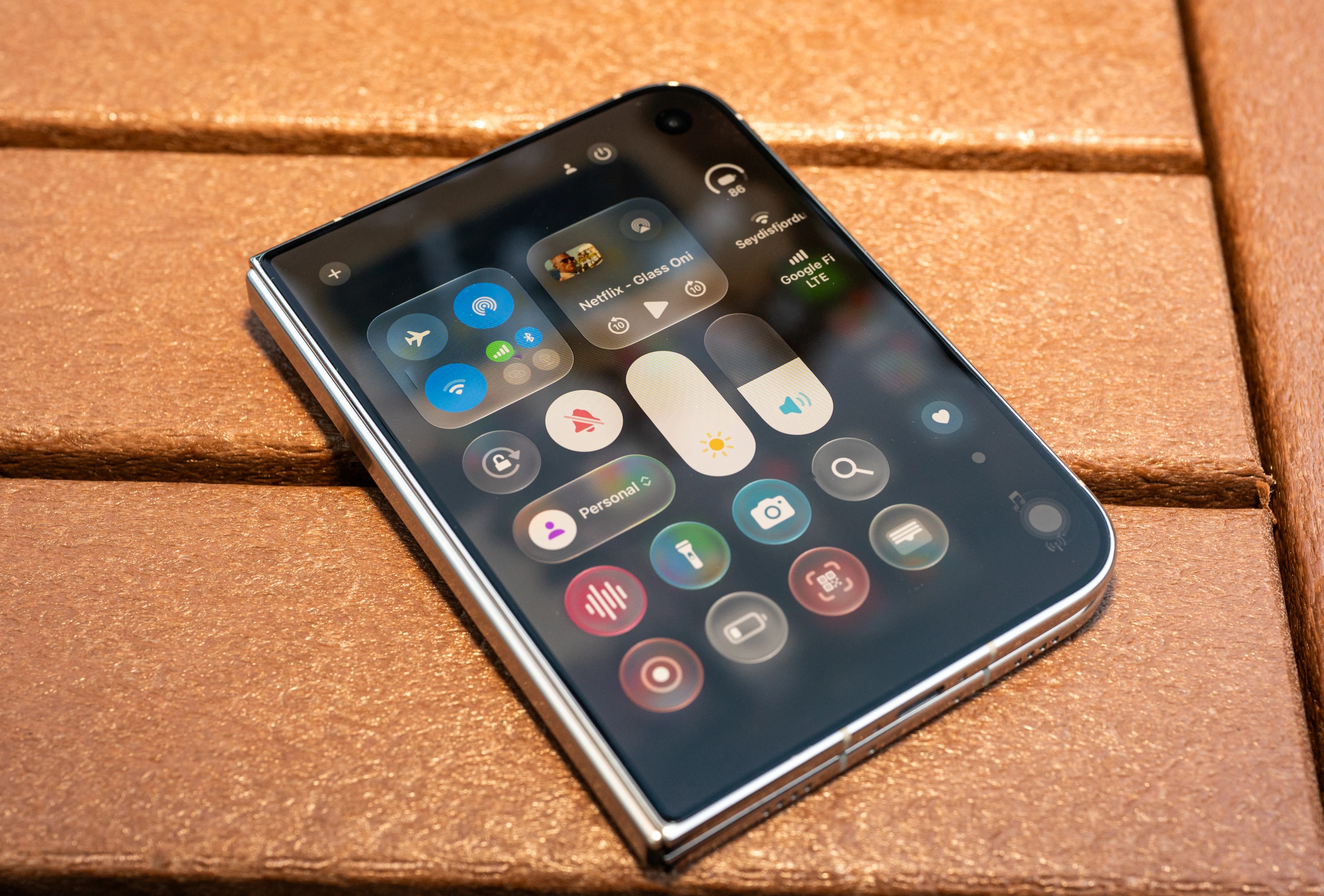
Apple, a company that rarely admits to missteps, has introduced significant changes to its operating system design this year. At the centre of this shift is the Liquid Glass interface, which was previously considered the company’s most controversial decision. Inspired by the Vision Pro, this style relied on transparency effects that initially drew criticism from users; issues included difficulty reading text, distracting screen reflections, and flickering colours.
Design That Serves Function
During the presentation of the new updates, Apple human interface designer Shubham Kedia noted that the company has taken user feedback into account. Consequently, interface elements have become clearer and more structured. The most significant novelty is a special slider in the settings, which allows users to manually adjust the transparency and colour tone of Liquid Glass. It is a rare instance where Apple is granting users such freedom of choice.
Renowned developer Ben Rice McCarthy noted that the new systems significantly improve interface adaptability. Buttons and menus now shift shape more fluidly, simplifying transitions between devices. This flexibility proved decisive for the company’s new foldable smartphone, the iPhone Duo.
The iPhone Duo and the New Life of Liquid Glass
The design of the iPhone Duo differs from other foldable phones on the market. It is wider, resembling the form factor of an iPad Mini when unfolded. Apple has managed to ensure that content transitions seamlessly from one screen to the other, which is visually impressive. Liquid Glass has truly found its place on this device: when the phone is closed, control elements are positioned to the side, while unfolding it distributes them optimally, sparing the user from searching through menus.
Although the system is still being refined, it is clear that Apple has shifted its direction. Liquid Glass is no longer a universal template forced upon every device; it is now individually tailored for each gadget. For developers, this means that adapting applications will take time, but the end result is a more stable and convenient interface.
For users in Georgia, this means the Apple ecosystem is becoming more flexible. The introduction of technologies like the iPhone Duo and improvements to software indicate that the company is paying increasing attention to real user needs and ergonomics. While it will take time for the foldable iPhone to reach the wider market, Apple’s vision appears much clearer this time around.