Apple's First Foldable Smartphone, the iPhone Duo, Hits the Market
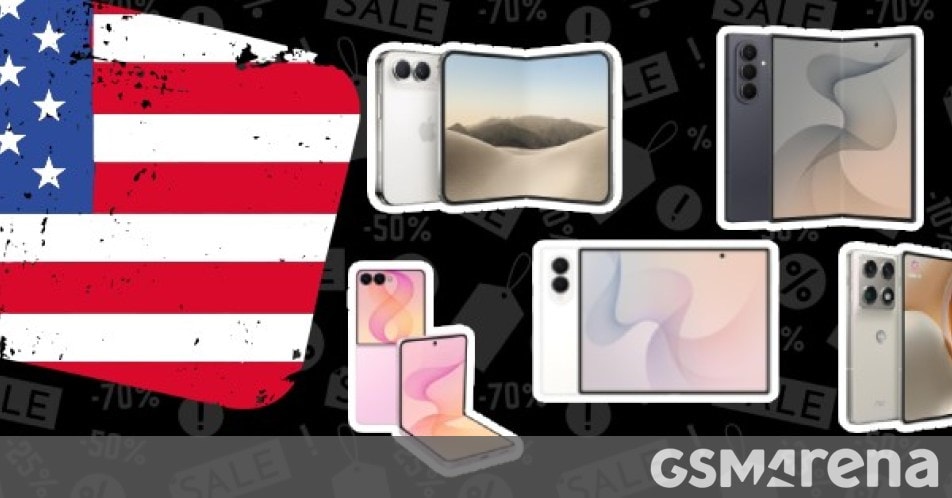
Apple has officially begun shipping the iPhone Duo, its first foldable smartphone. While the device has been met with significant market interest, the company has warned that initial store stock will be limited and online orders face extended wait times. Apple is working to scale up production, though the process is expected to take time.
Premium Pricing and Competition
Pricing for the iPhone Duo starts at $2,000 for the 256GB model, while the top-tier 2TB version is priced at $3,200. For comparison, the base model of the iPhone 18 Pro Max is $700 cheaper, highlighting the premium status of Apple's new offering. The device faces stiff competition from established rivals such as the Samsung Galaxy Z Fold8 and the Motorola Razr Fold.
The Samsung Galaxy Z Fold8 is both lighter and thinner than the iPhone Duo. The Korean manufacturer's model weighs 201 grams and measures 9.7mm in thickness, compared to the 254-gram, 11.3mm build of Apple’s debutant. Both devices feature nearly identical 7.6-inch internal displays and batteries ranging between 4,800 and 4,883 mAh. Under the hood, the Galaxy utilizes the Snapdragon 8 Elite Gen 5 chipset, while the iPhone Duo is powered by the Apple A20 Pro processor.
Choices in the Foldable Market
Samsung also offers the Galaxy Z Fold8 Ultra, which features a larger 8.0-inch internal display. Despite its increased dimensions, it is 39 grams lighter than the iPhone Duo. This model also boasts a superior camera system, including a 200MP main sensor. Meanwhile, the Motorola Razr Fold distinguishes itself from the competition by offering a massive 6,000 mAh battery and 80W fast charging.
For users in Georgia, these developments are significant as the premium smartphone market continues to evolve. However, due to the high price point and limited supply, the iPhone Duo will remain difficult to obtain for the general public in the coming months. For those planning to purchase a foldable smartphone, the selection is now more diverse than ever, though the final decision will likely depend on brand loyalty and specific technical priorities.