Apple’s AI Strategy: Prioritizing the Everyday User
Apple’s marketing chief Greg Joswiak says the company’s AI is built for people, not just tech fanatics.
Prioritizing Daily Needs
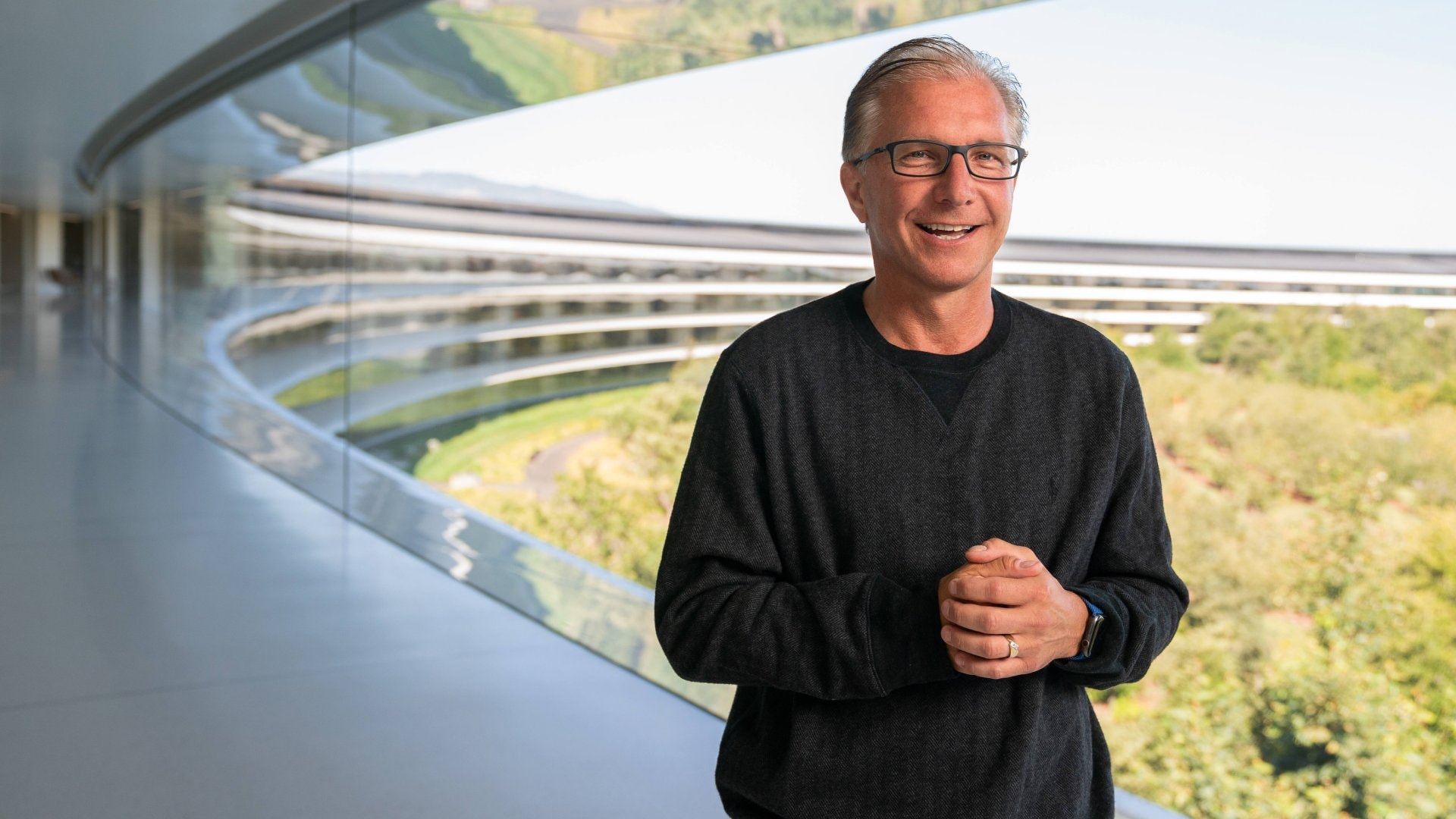
Greg Joswiak, Apple’s senior vice president of worldwide marketing, has shared insights into the company’s Apple Intelligence strategy. He stated that the corporation’s goal is not to impress the so-called “lunatic fringe”—tech enthusiasts chasing super-intelligence—but to simplify the daily lives of ordinary users.
According to Joswiak, Apple’s approach differs fundamentally from trends followed by some Silicon Valley firms. The company is not attempting to offer revolutionary yet often unproven capabilities. Instead, its focus remains on personalized, privacy-oriented, and practical tools that provide genuine value to the user.
Competition and the Power of Integration
Despite intense competition in the field of artificial intelligence, Apple’s leadership does not feel threatened. Joswiak explained that the company’s primary advantage lies in the seamless integration of its ecosystem. Apple possesses the unique ability to create experiences that blur the lines between hardware and software, a feat that remains largely unattainable for its competitors.
“We love tech enthusiasts and they can use our products, but that’s not our primary target audience,” Joswiak noted. He emphasized that Apple’s mission is to make innovation accessible and useful for everyone, regardless of their level of technical expertise.
What This Means for the User
Apple’s strategy clearly demonstrates that the company views artificial intelligence not as a standalone, exotic product, but as a means to improve existing services. This approach is particularly relevant for users in Georgia, who are increasingly encountering new Apple features on their iPhones and Macs.
Ultimately, Apple’s choice highlights a priority on stability and security. While others strive to reach the absolute limits of AI capabilities, Apple has chosen a more cautious path that is better adapted to the user. Time will tell how effective this strategy proves in the long term, but for now, the company remains committed to its core philosophy: technology should be intuitive and serve the individual.