Apple Removes Controversial Hand Gesture from South Korean Website
The company has adjusted its marketing materials to align with local social norms.
Cultural Sensitivity and Tech Giants
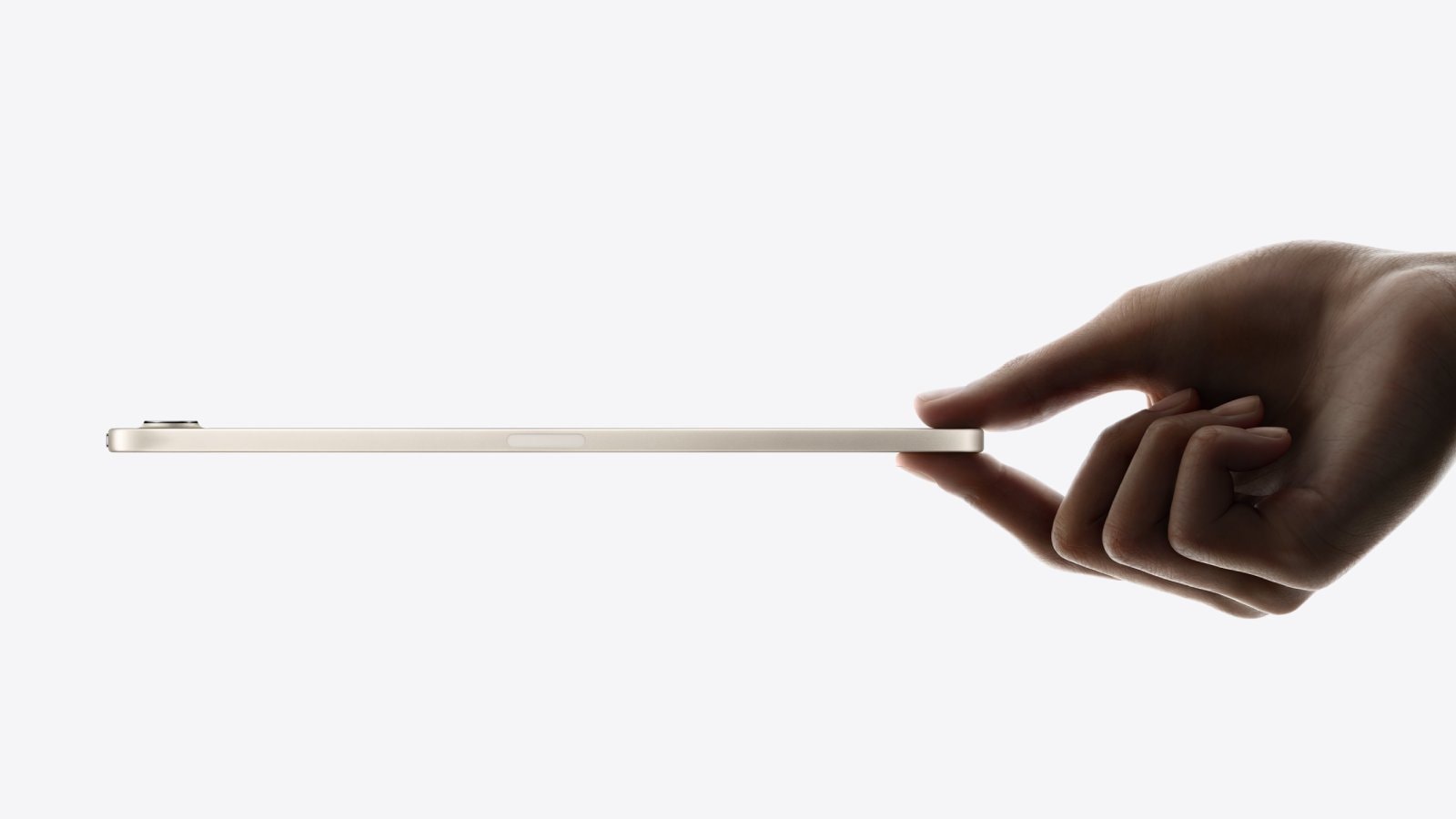
Apple has made a notable change to its official South Korean website regarding the presentation of the new iPad mini. While the promotional imagery used in the United States and most other countries features a hand making a pinching gesture to hold the device, this detail has been completely removed from the South Korean version. Consumers in South Korea now see the new tablet displayed on its own, without the human hand.
This is not the first time the company has taken such measures. Last year, during the presentation of the iPhone Air, Apple similarly altered its promotional visuals for the South Korean market, removing the same gesture while it remained unchanged in the American version.
Why is the Gesture Problematic?
The reason lies in cultural context and local interpretation. In South Korea, a pinching gesture—or the corresponding emoji—is associated by some segments of society with mocking the size of male genitalia. Although the gesture simply denotes holding an object or indicating a small size in Western culture, it often carries an offensive connotation in Korean social media and daily communication.
While the company has not issued an official statement regarding the matter, it is evident that Apple is attempting to avoid any misunderstandings or criticism within the local market. Technology companies frequently adjust their marketing campaigns to account for the cultural nuances of different countries, ensuring their products remain as neutral and acceptable as possible for the consumer.
What This Means for Consumers
In a globalised world, brands are paying increasing attention to localisation. This extends beyond language to include visual symbolism. For South Korean consumers, this move is viewed as a sign of respect, as the company is taking local social norms into account.
In countries like Georgia, where Western marketing standards are more widely adopted, such gestures typically do not trigger a negative reaction. However, this case serves as a prime example of how the same visual can evoke radically different emotions in various parts of the world. Apple's decision confirms once again that details, even in promotional photography, hold critical importance.