Apple Launches HomePod mini 2: What Has Changed in the Smart Speaker
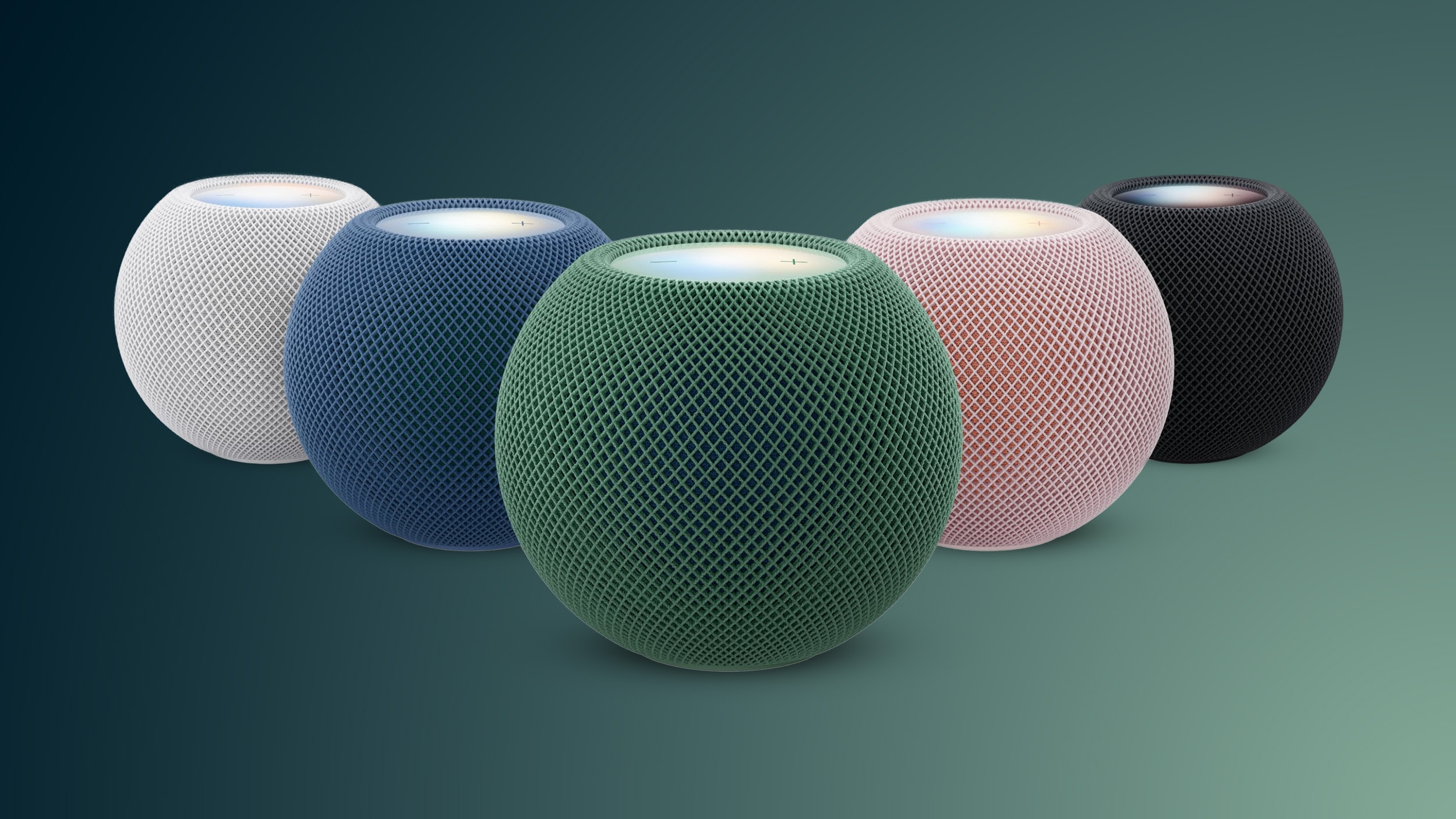
Updated HomePod mini 2: Technical Details and News
Apple has officially launched the second generation of the HomePod mini. The device is now available in the company's physical stores and online platforms. The new model starts at $149 in the US market, marking an increase in price compared to its predecessor.
The primary upgrade lies in its "brain"—the device is now equipped with an S10 chip, replacing the previous S5. According to the manufacturer, this change enables "advanced computational audio," though specific details regarding sound quality improvements have not yet been clarified. Physically, the speaker is 3% lighter and comes in five colours: white, midnight, and new two-tone pink, green, and blue options.
Connectivity and Intelligent Capabilities
Apple has significantly improved wireless connectivity standards. The new HomePod mini 2 supports Wi-Fi 6E (replacing the older Wi-Fi 4) and Bluetooth 6, ensuring more stable and faster data transmission. Additionally, the device now supports Mac audio output by default, provided your computer is compatible with Wi-Fi 6E.
One notable visual addition is "Sound Glow," where the top panel of the speaker pulses and lights up in rhythm with the music. This feature has also been made available to first-generation HomePod mini owners via a software update. As for the voice assistant Siri, it will receive support for Apple Intelligence in a future software update. It is worth noting that processing requests based on personal context will require the user to have an iPhone or iPad that supports Apple Intelligence.
Home Cinema and Audio Systems
Apple has expanded the HomePod ecosystem alongside the Apple TV 4K. It is now possible to pair four speakers to create surround sound, where front and rear pairs distribute audio harmoniously. For parties, a "Whole Room Audio" function has been added, which helps distribute sound evenly throughout the space.
Although the number of microphones dedicated to Siri has been reduced from four to three, the company has not yet specified whether this will affect voice recognition quality. For users in Georgia, these updates are significant for smart home integration, though as is often the case, the full functionality of such devices—such as enhanced Siri capabilities—is tied to regional restrictions. The new model is expected to become available in electronics stores in Georgia in the near future.