Apple Enters the Smart Home Market With Its Own Hardware Line
The tech giant is moving beyond software, introducing a curated range of hardware including cameras, sensors, and the new HomeView display.
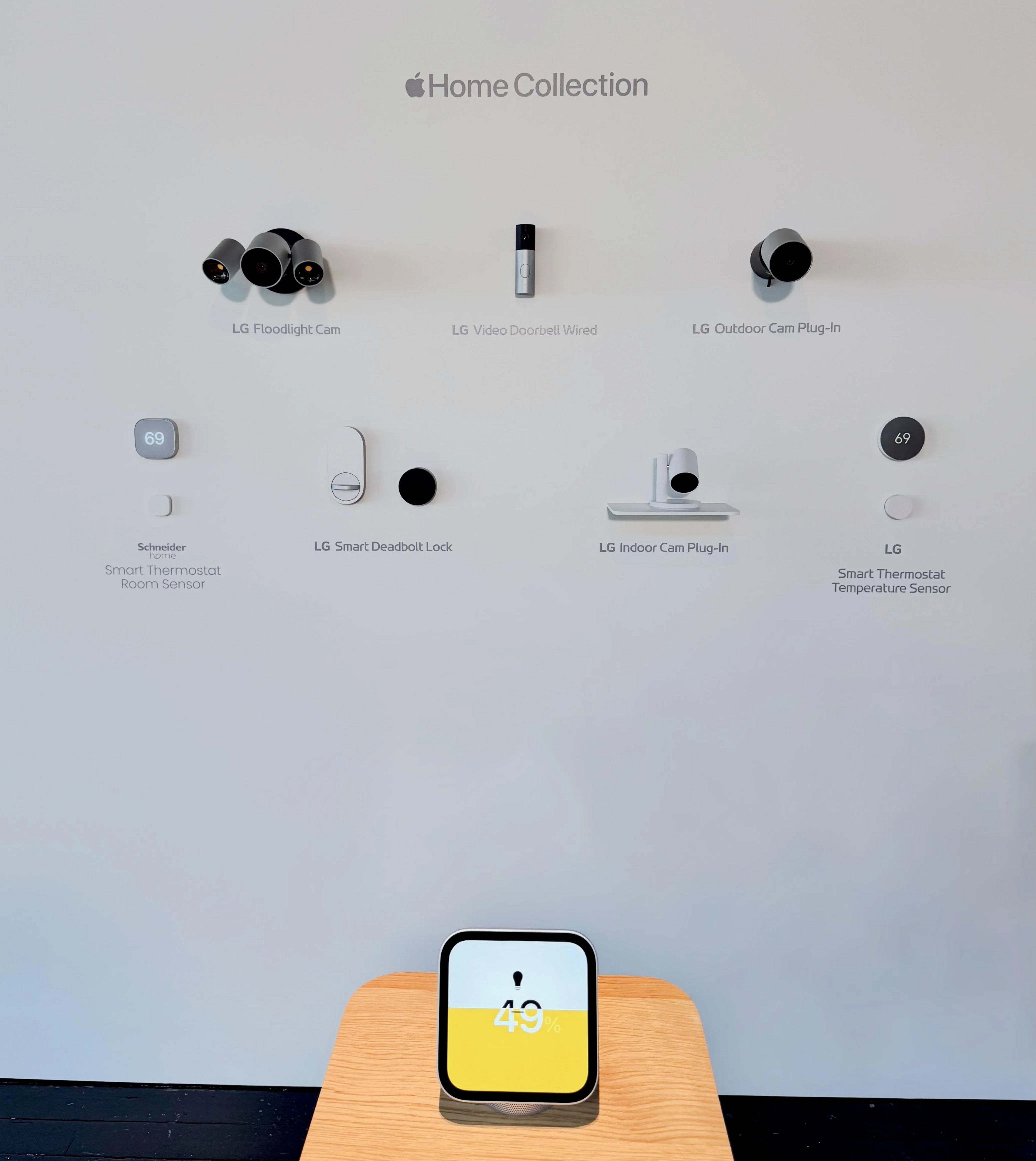
For decades, Apple encouraged other companies to build smart home systems for its platform. This week, that changed as the company unveiled its own hardware line, the Apple Home Collection. The collection includes cameras, thermostats, sensors, smart locks, and video doorbells, developed in partnership with LG Electronics and Schneider Electric. Simultaneously, the company announced its first smart display, HomeView.
Why now and what is the main goal?
Although HomeKit has existed for 12 years, Apple’s ecosystem appeared less developed compared to its competitors. Amazon and Google have long held established brands like Ring and Nest. According to Apple representatives, the decision to create their own devices was driven by two factors: the development of the Matter standard and the integration of AI-enhanced Siri. These technologies form the foundation for providing users with a more intuitive and “magical” smart home experience.
HomeView plays a key role, serving as the central hub for the smart home. Apple’s strategy is straightforward: if a user purchases one device to manage music or calendars, they are more likely to add other smart systems in the future. Research indicates that the primary reasons for skepticism toward smart homes are complexity, privacy concerns, and a lack of perceived utility. Apple addresses these issues through “one-tap” connectivity, end-to-end data encryption, and a unified ecosystem.
Simplicity or limited choice?
Apple’s new approach differs from the “buffet” style prevalent in the market, where users select products from various brands. The Home Collection acts more like a “chef’s selection”—a set of devices guaranteed to meet Apple’s standards. Notably, the setup process is as simple as pairing AirPods; users simply bring their iPhone near the device, eliminating the need for additional apps or account creation.
Technically, most devices support the Thread protocol, ensuring a stable connection even if the Wi-Fi signal is lost. However, there are exceptions: for instance, cameras utilize Apple’s HomeKit Secure Video rather than Matter, which to some extent locks the user into the Apple ecosystem.
What does this mean for users in Georgia?
Although Apple’s new products belong to the premium segment—with prices starting at $200—they offer a complete, ready-made solution for those who have yet to build a smart home. For users in Georgia who are active within the Apple ecosystem, this news means fewer headaches regarding technical configuration. However, amidst well-established competitors, Apple will need to prove that its higher price point is justified by superior quality and security.