Apple and US Department of Justice Enter New Phase of Legal Battle
The parties are currently deadlocked over the volume of documentation the company must provide to the prosecution.
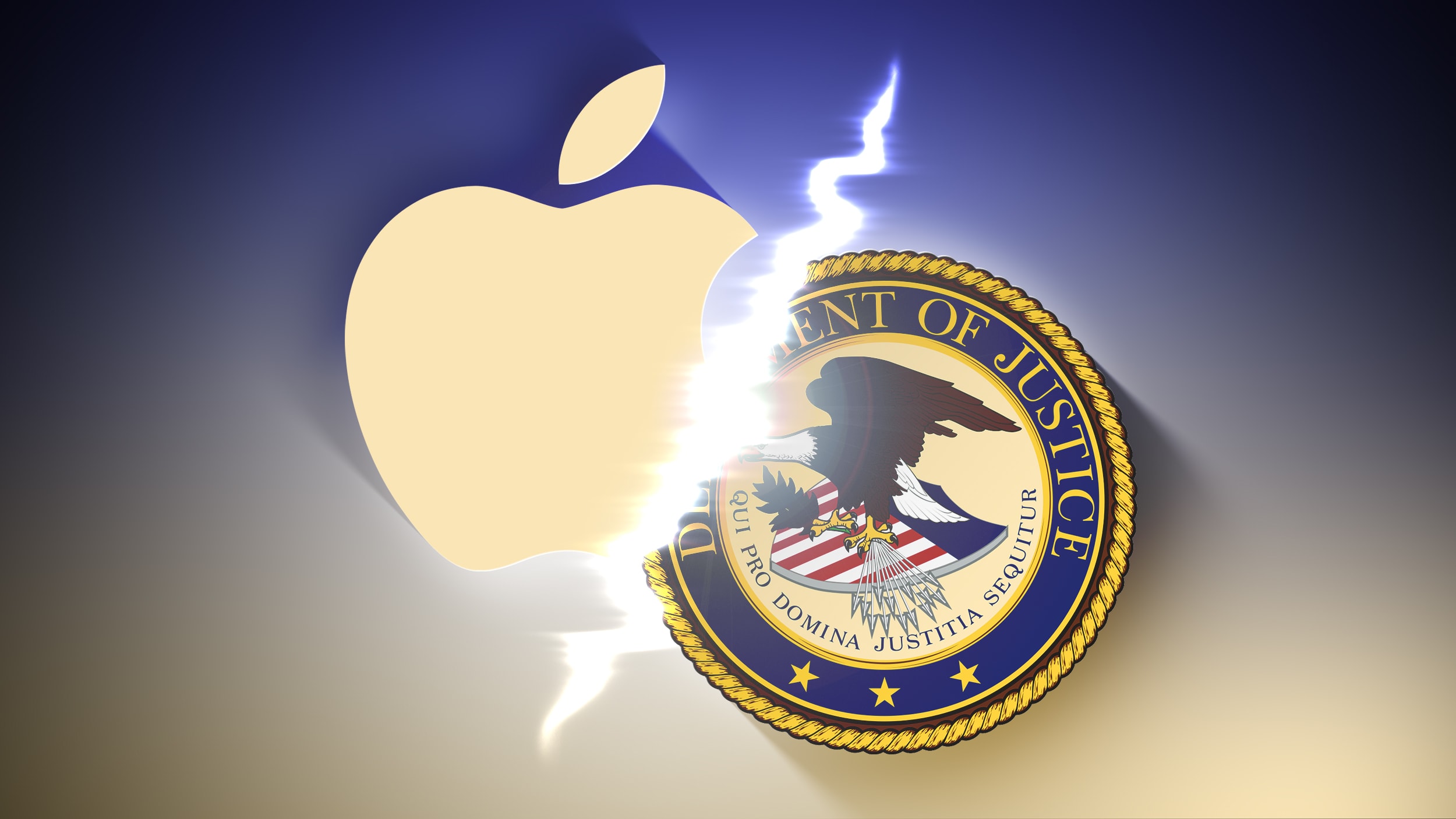
The antitrust legal battle between Apple and the US Department of Justice (DOJ) has entered a new phase. According to recent court filings, the two parties are at odds regarding the volume and time period of evidence that the company must submit to the prosecution. The core of the dispute lies in the DOJ’s demand for more recent documentation to determine whether Apple is continuing to engage in anti-competitive market practices.
Reasons for the Conflict
Initially, the parties agreed that Apple would provide records created up to June 20, 2025. However, since the discovery phase has been extended until the end of May 2027, DOJ lawyers are now requesting that the company provide documentation up to 30 days before the conclusion of the case. They argue that this data is crucial for determining whether Apple continues to employ monopolistic practices.
Apple, for its part, is firmly opposed to this request. The company’s lawyers argue that expanding the scope of the search would delay the trial by several months. Apple representatives note that they have already undertaken a massive effort, having reviewed over 11 million documents and already provided the court with two million files covering the last 18 years.
Background of the Lawsuit
This confrontation is part of a major lawsuit initiated in March 2024. The US Department of Justice accuses Apple of illegally maintaining a monopoly in the smartphone market. According to the allegations, the company deliberately restricts the functionality of competing applications, services, and third-party devices within its ecosystem. Apple has repeatedly denied these accusations, stating that its policies are designed to protect user security and privacy.
What Happens Next?
Since the parties could not reach an independent agreement on the deadlines and volume of document production, they have referred the matter to the court. A judge must now decide whether to compel Apple to submit more recent evidence or to accept the company’s arguments to help expedite the process.
For users globally, this dispute is significant because any changes Apple makes regarding antitrust regulations could affect App Store policies and iOS functionality on a global scale. At this stage, the court process continues in a tense atmosphere, and its results will have a significant impact on the technology giant’s future strategy.