Android Fragmentation: Why Older Versions Remain So Popular
Despite the rise of Android 16, outdated software continues to dominate the global market.
Android 16 leads, but the problem persists
The latest statistics from Google regarding the distribution of the Android operating system highlight one of the technology industry's primary challenges: fragmentation. Although Android 16 has officially become the most popular version globally, it accounts for 25.4% of active devices. This figure represents a significant increase compared to last December, when it held only 7.5% of the market.
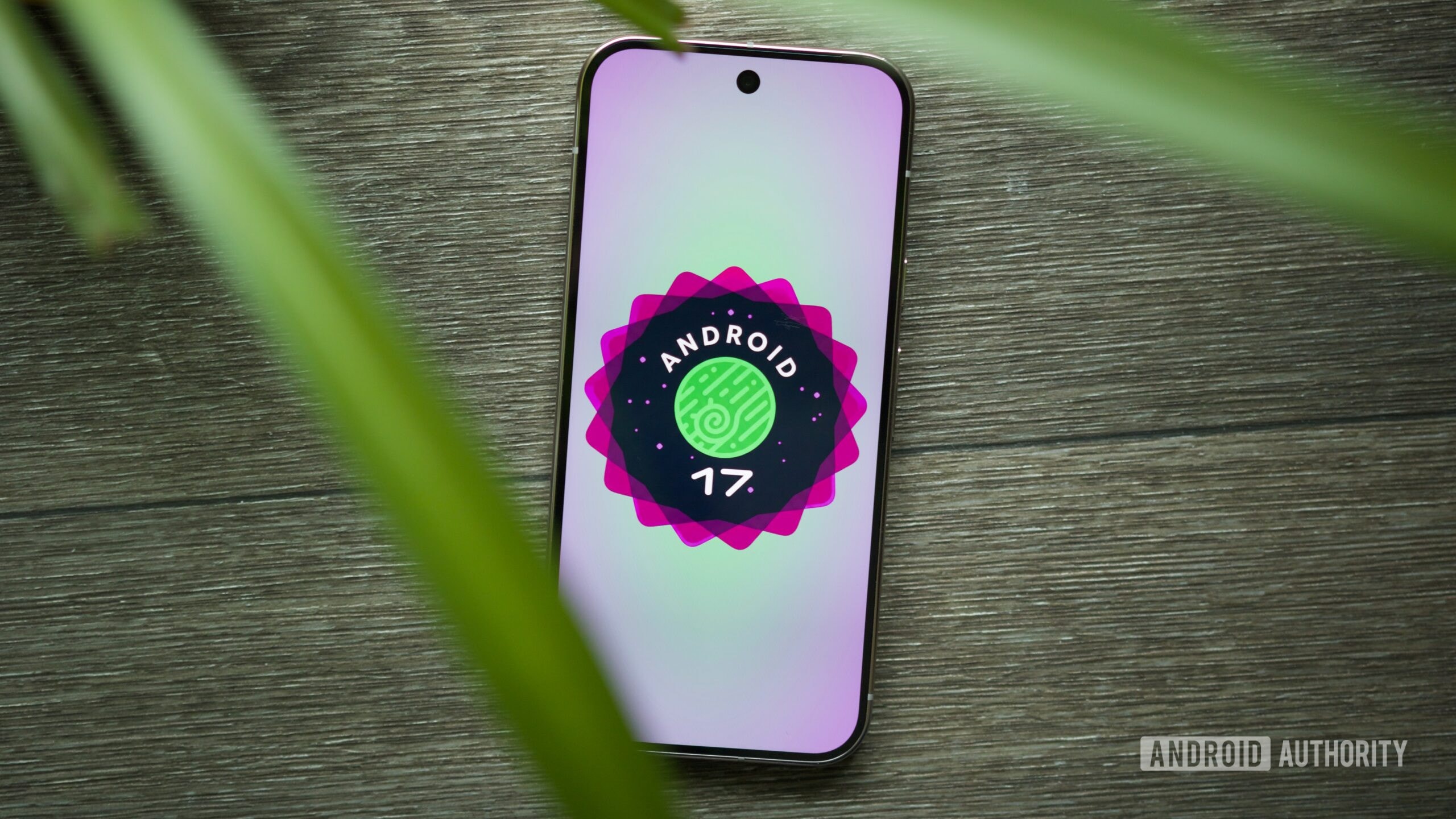
However, the picture is less optimistic when considering the adoption rate of newer versions. Android 17, which became available to users in June of this year, is currently stuck at just 1%. This slow progress indicates that manufacturers and mobile carriers continue to delay the rollout of updates.
The impact of older versions
Most notably, outdated software continues to dominate the market. According to the data, 43.6% of active devices still run on Android 13 or older versions. Furthermore, Android 11, released years ago, is still used by approximately 10% of the global market.
It is interesting to note that some very old versions, such as Android 8.1, currently have more users than the latest Android 17. This phenomenon suggests that a large portion of users do not replace their smartphones until they physically break, while manufacturers frequently discontinue support for older models.
What this means for users
In markets where the secondary smartphone market is quite active and users often purchase flagship devices from several years ago, these statistics are particularly relevant. The absence of security updates on outdated Android versions leaves users exposed to potential cyber threats.
When a smartphone no longer receives new operating system updates, it loses not only new features but also the modern security mechanisms that Google introduces annually. For users, this means their personal data may be less secure. In the future, reducing fragmentation will depend on how quickly manufacturers can deliver updates and how long they maintain support for older models.