An Alternative to Meta’s Muse Charm: Building Your Own AI Gadget
A $50 DIY project proves that custom-programmed AI hardware can outperform corporate alternatives.
Building Your Own Smart Pendant
The tech world is eagerly awaiting Meta’s new gadget, the Muse Charm, which promises to let users carry an AI assistant in their pocket like a digital Tamagotchi. However, it turns out that creating such a device independently is entirely possible—and at a fraction of the cost.
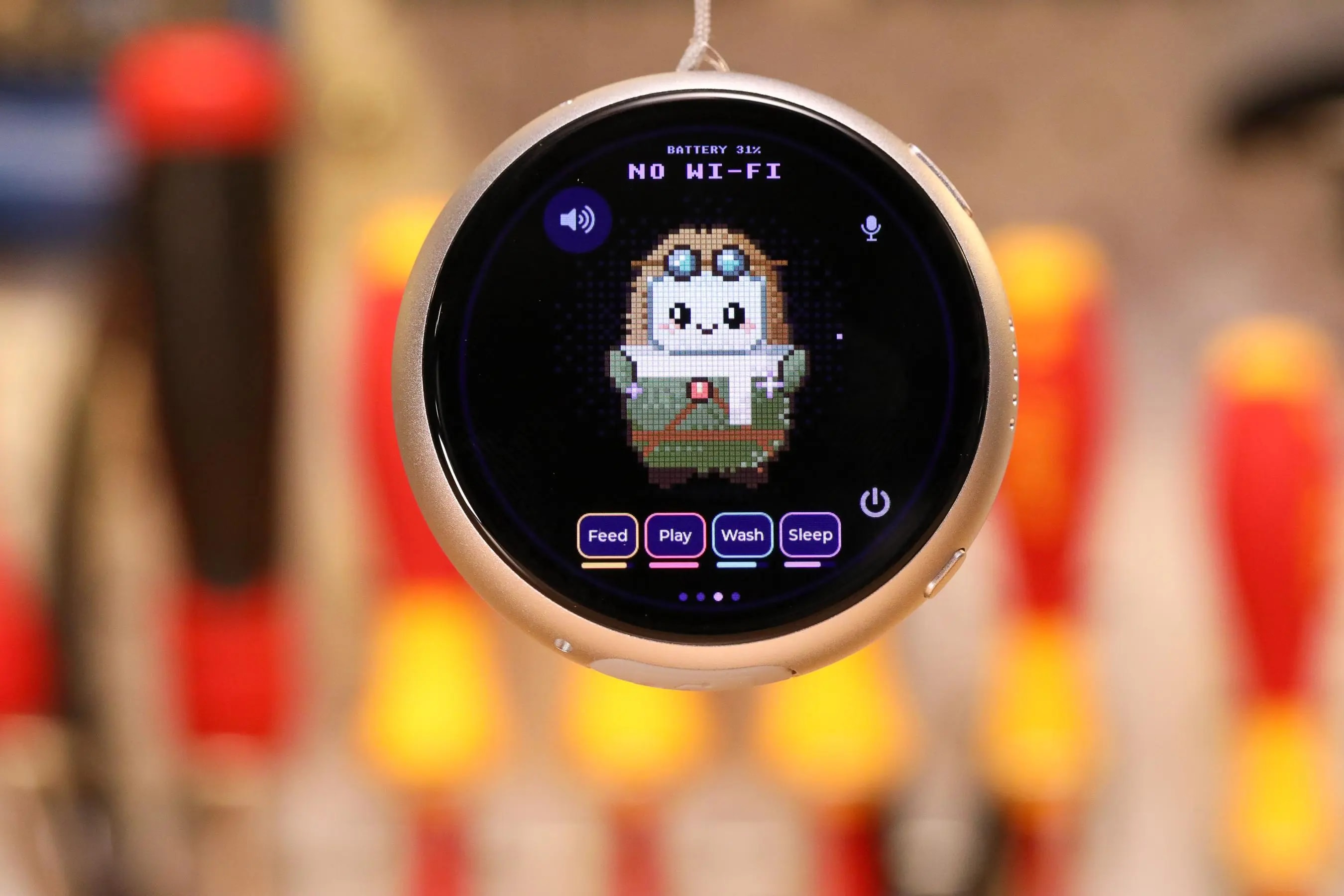
One enthusiast decided not to wait for the official release and purchased a Waveshare ESP32-S3 1.75C for $50. This compact device, featuring a 1.75-inch touchscreen, is officially recommended by Meta for those looking to build a "Muse Gadget"—a device that connects directly to the Muse AI cloud service using Meta’s open-source framework.
Initially, the device was quite limited. It lacked voice responses, featured only a static avatar, and had no automated way to connect to smart home devices. However, by modifying the code with the help of Claude, the creator breathed entirely new life into the gadget.
Vibe Coding and the Power of Personalisation
Even without prior programming experience, the creator was able to transform the device into a fully functional assistant with the help of AI. By modifying the code, the following features were added:
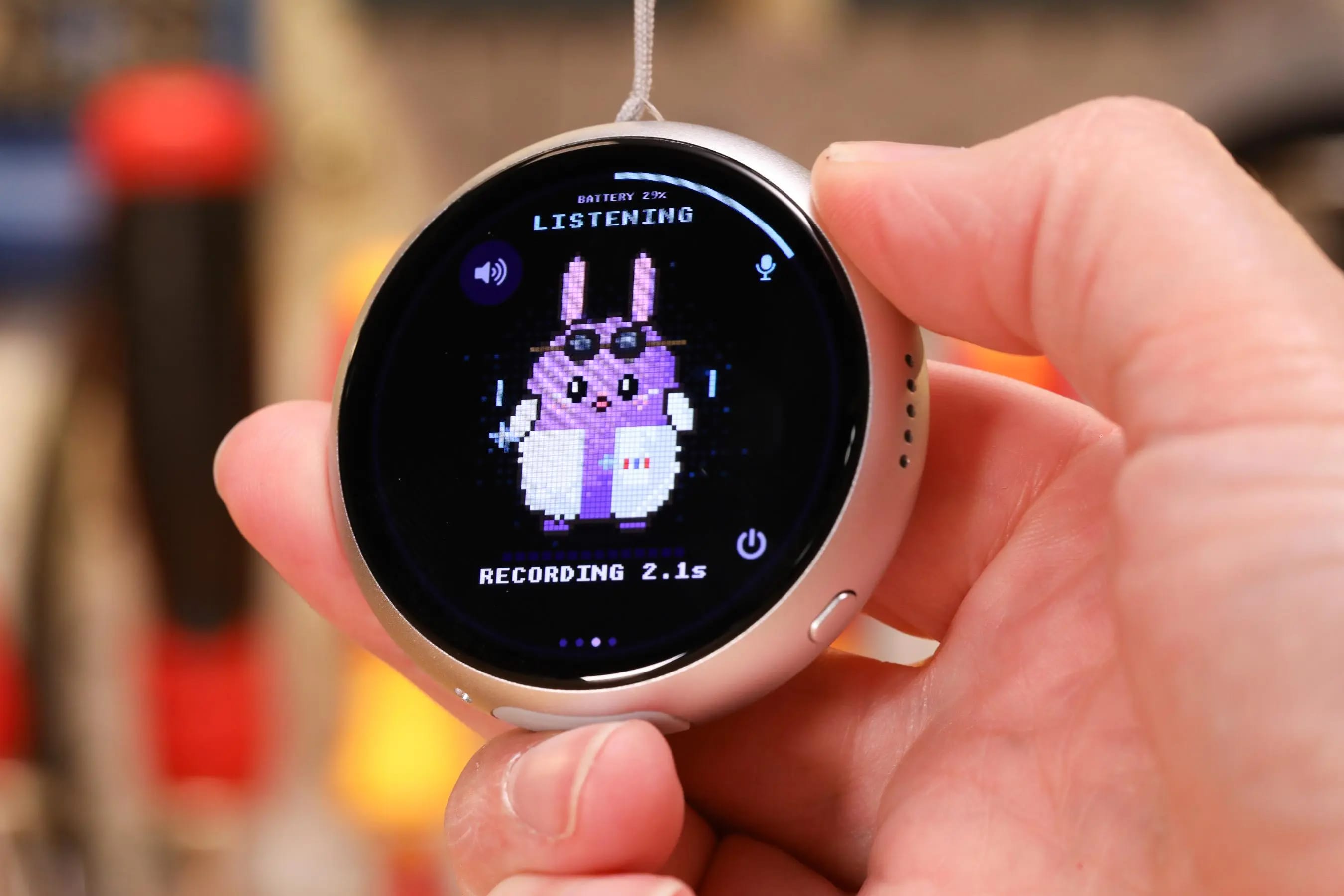
- Voice Interface: The device gained the ability to speak using ElevenLabs.
- User History: A feature was added allowing users to read full AI responses on the screen.
- Tamagotchi-style Mini-game: Avatars were created that require feeding, sleep, and care.
- Camera Control: A remote shutter function and a camera preview option were added.
- Multifunctionality: The gadget gained a digital clock and a video player.
This process demonstrated that the true value lies not in the pre-made smart device, but in its programmability. When a user can tailor a gadget to their own needs, it becomes far more useful than any off-the-shelf commercial product.
Security and Future Prospects
Despite the successful experiment, the author urges caution for those planning similar projects. There are privacy concerns regarding Meta’s AI, so it is recommended to use a separate, secure Wi-Fi network for such experiments. It also remains unclear how open the commercial version of the Muse Charm will be in terms of custom programming.
Ultimately, this case proves that in the era of modern technology, even ordinary users can create devices that compete with products from major corporations. This is a path toward not only new gadgets but also a future where we are the creators of our own technology, rather than just consumers.