AMD Reaches Historic Milestone: Surpassing Intel in Revenue
The AI boom and data centre demand have reshaped the competitive landscape.
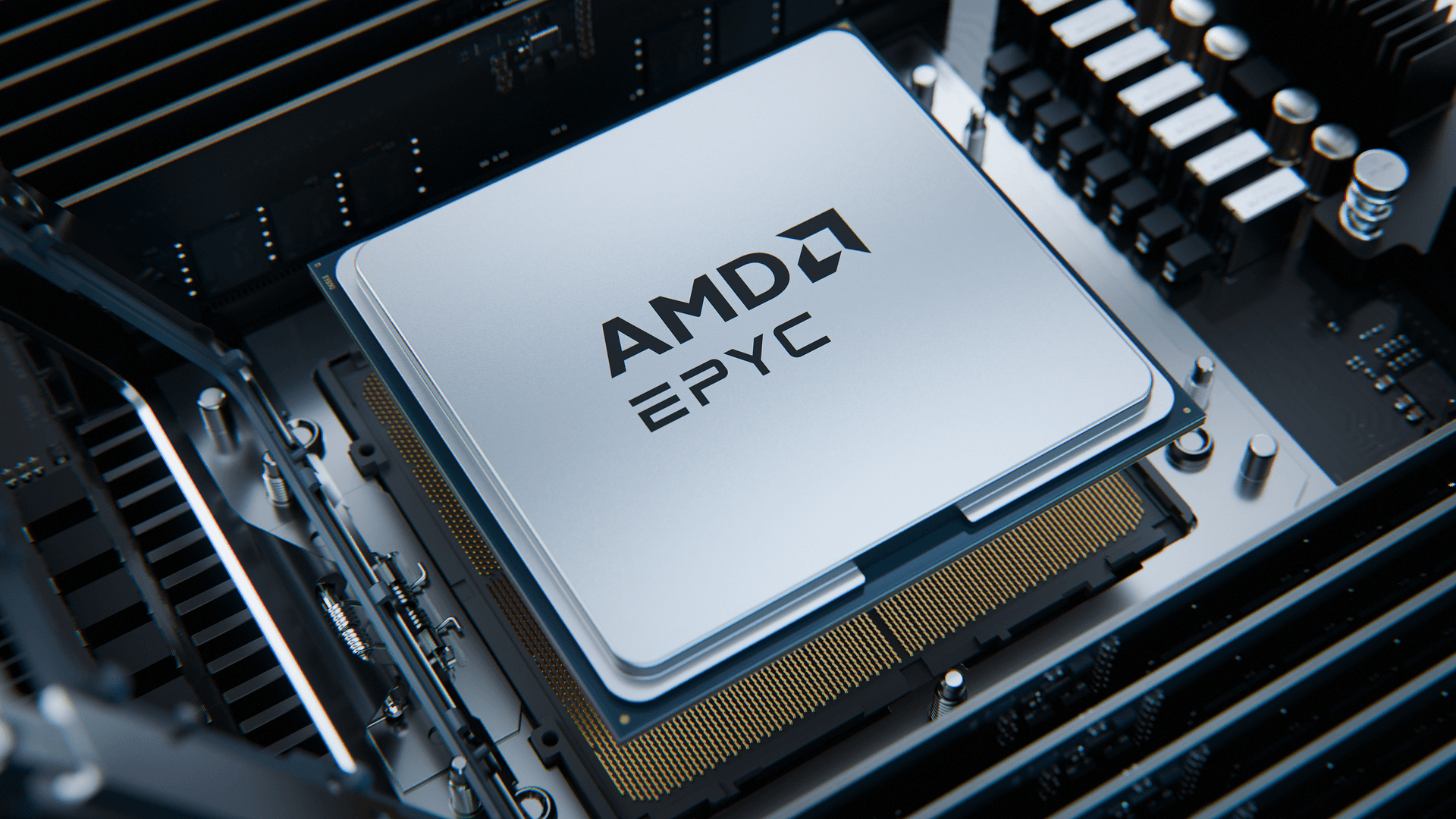
The decades-long rivalry in the technology industry is entering a new phase. AMD has released its forecast for the fourth quarter of 2026, projecting revenue of approximately $17 billion. This figure exceeds the $15 to $16 billion range projected by Intel, marking the first time in history that AMD will become the larger company in terms of revenue.
Data Centre Dominance
AMD's rapid growth is primarily driven by its data centre segment. In the third quarter, revenue from this sector nearly doubled to reach a record $8.5 billion, accounting for 64% of the company's total turnover. The primary drivers of this success have been the Instinct MI455X graphics accelerators and new Helios racks, which are already being utilised by tech giants such as Microsoft, OpenAI, Meta, Anthropic, and Oracle.
While Intel maintains a lead in the x86 processor market, holding approximately two-thirds of the market share, AMD's gains are fuelled by the rising demand for artificial intelligence (AI) technologies. According to AMD CFO Jean Hu, the company's data centre AI business is expected to surpass server processor sales for the first time in the fourth quarter.
Strategic Shifts and Challenges
Notably, Intel's financial performance was negatively impacted by an incident at its Fab 28 plant in Israel, which resulted in a loss of approximately $300 million. However, analysts suggest that AMD's progress is more fundamental. The company's stock value has increased by more than 100% this year, underscoring market confidence.
Despite this impressive growth, AMD CEO Lisa Su is open about existing challenges. Demand significantly outstrips supply, forcing the company to further increase production capacity. By 2027, AMD plans for data centres to account for more than 80% of its revenue, while aiming to double its server processor sales.
What This Means for Georgia
For users and the local technology sector in Georgia, this shift is significant as it reflects a change in the balance of power in the global market. As the world's largest cloud services and AI laboratories switch to AMD technology, it directly impacts the infrastructure used by Georgian startups and companies for cloud solutions. In the future, we may see more accessible and powerful AI computing capabilities, which would facilitate the adoption of technological innovations in the local market.