AMD Explains the Reasons Behind the Return of Ryzen 7 5800X3D
AMD's leadership describes the re-release of its iconic processor as a final gift to loyal users.
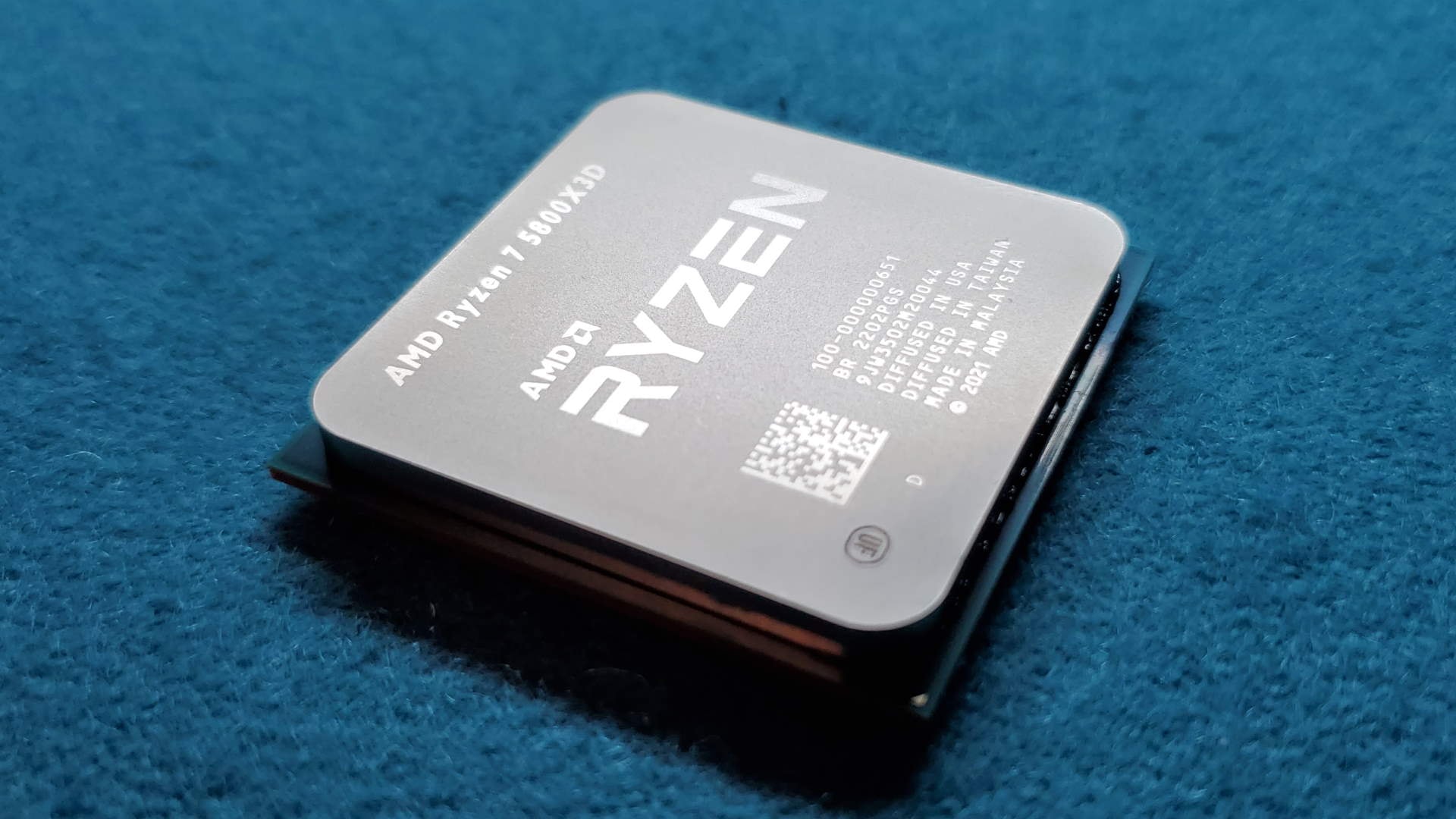
An Unexpected Return: Why Did AMD Re-release the Ryzen 7 5800X3D?
This summer, the tech world witnessed one of its most unexpected developments: AMD decided to bring the legendary Ryzen 7 5800X3D processor back to the market. Although many users considered the product "dead," the company resumed production to celebrate the 10th anniversary of the platform. AMD representatives noted that the process was technically complex, as restarting production lines required significant resources.
The Idea Came Directly From Lisa Su
As AMD representative Travis Kirsch explains, the project was initiated by the company's CEO, Lisa Su. He stated that this was not a spontaneous decision in response to market volatility; rather, it was a strategic move planned several years ago. "It was essentially a final gift to the loyal customers who have been using our AM4 platform for nearly 10 years," Kirsch said. The company wanted to give them the opportunity to upgrade their DDR4-based systems without the immediate necessity of switching to a new platform.
The Remarkable Longevity of the AM4 Platform
Even though DDR5 memory and the AM5 platform now dominate the market, the older AM4 continues to hold its ground. According to Kirsch, the popularity of AM4 remains stable. This is significant because the company's strategy is focused on platform longevity. AMD’s goal is to ensure that users have the ability to easily upgrade their processors years after building their computers, without having to replace the entire platform.
What Awaits Users in the Future?
While AMD representatives remain reserved when discussing the future of the AM5 platform, they confirm that the company does not intend to change platforms too frequently, as this is not beneficial for partners or users. In the near future, the company plans to release processors based on the Zen 6 architecture, which will continue to use the AM5 socket. For users still running AM4 systems, this news is promising. The fact that AMD shows such respect for older platforms suggests that your current system will remain capable of handling modern tasks for years to come, especially if you choose models equipped with 3D V-Cache technology.