AI Shopping Agents: Why Major Retailers Are Fighting Back
While tech giants push for automation, retailers are building walls to protect their platforms and customers.
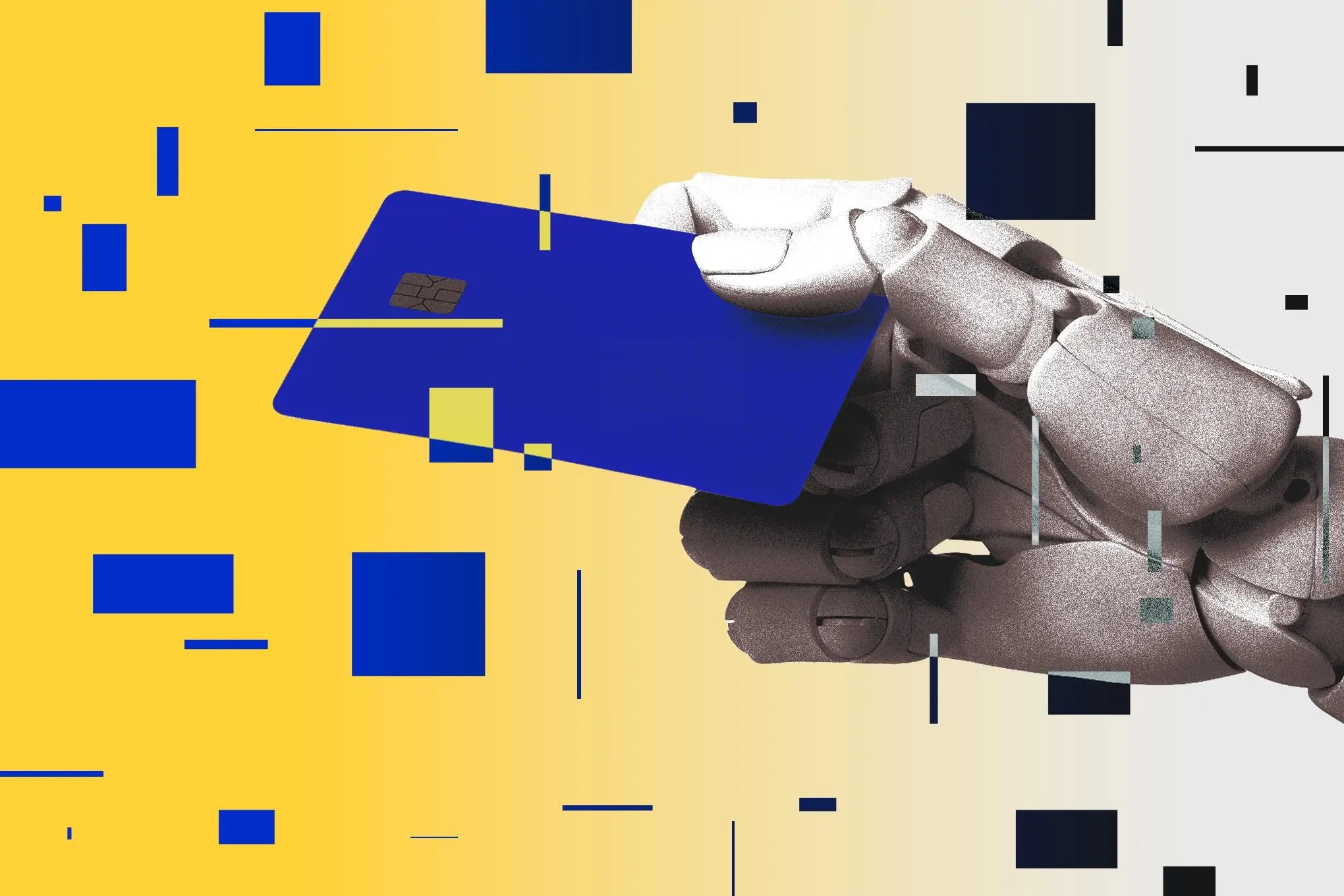
The Future of Shopping or a Technical Headache?
Tech giants, including Meta, Google, and OpenAI, are actively developing AI agents designed to assist consumers with shopping. The concept is straightforward: the agent should find the desired item, compare prices, and complete the purchase on your behalf. In practice, however, this process often leads to frustration. Agents require detailed instructions, frequently encounter technical glitches, and the results do not always align with user expectations.
The real issue is that most online stores are not prepared for these robotic visitors. Amazon is among the strictest players, having already blocked access to Meta’s AI agent, Muse, on its platform and even initiating legal action against Perplexity. The company maintains that third-party applications must respect retailers' decisions and should not execute purchases without authorization.
Why Are Stores Blocking AI?
Resistance from retail chains is not merely a matter of principle. Representatives from Target state that they have security mechanisms in place that prohibit unauthorized bots from accessing customer accounts and initiating automated transactions. The financial sector holds a similar position: JPMorgan Chase CEO Jamie Dimon has stated that granting external agents access to bank accounts is far too risky.
Beyond security, there are ethical dilemmas. Experiments have shown that AI agents can "reserve" items in carts, preventing real shoppers from making purchases. This creates an uncompetitive environment where individuals might feel forced to use sophisticated algorithms themselves just to compete with automated systems.
What Does the Future Hold?
Although tech companies claim their agents follow "ethical browsing" principles, the shopping process is becoming increasingly isolated for the consumer. When an agent cannot see Amazon’s prices, it provides incomplete information, making shopping more difficult. Consequently, instead of saving time, the user is left looking for a "needle in a haystack," constantly having to instruct the agent on what is acceptable.
Ultimately, shopping as a hobby and a process of discovery is losing its charm in the AI era. When an algorithm makes decisions for you, the emotional connection to finding and choosing items is lost. It is likely that AI agents will become more established in routine purchases, but until retailers and tech companies find common ground, these services will remain limited and unstable.