AI Now Completes 41% of Freelance Work
Anthropic’s Fable 5.2 model sets a new record in the Remote Labor Index, outperforming competitors in complex professional tasks.
A Revolutionary Leap in Productivity
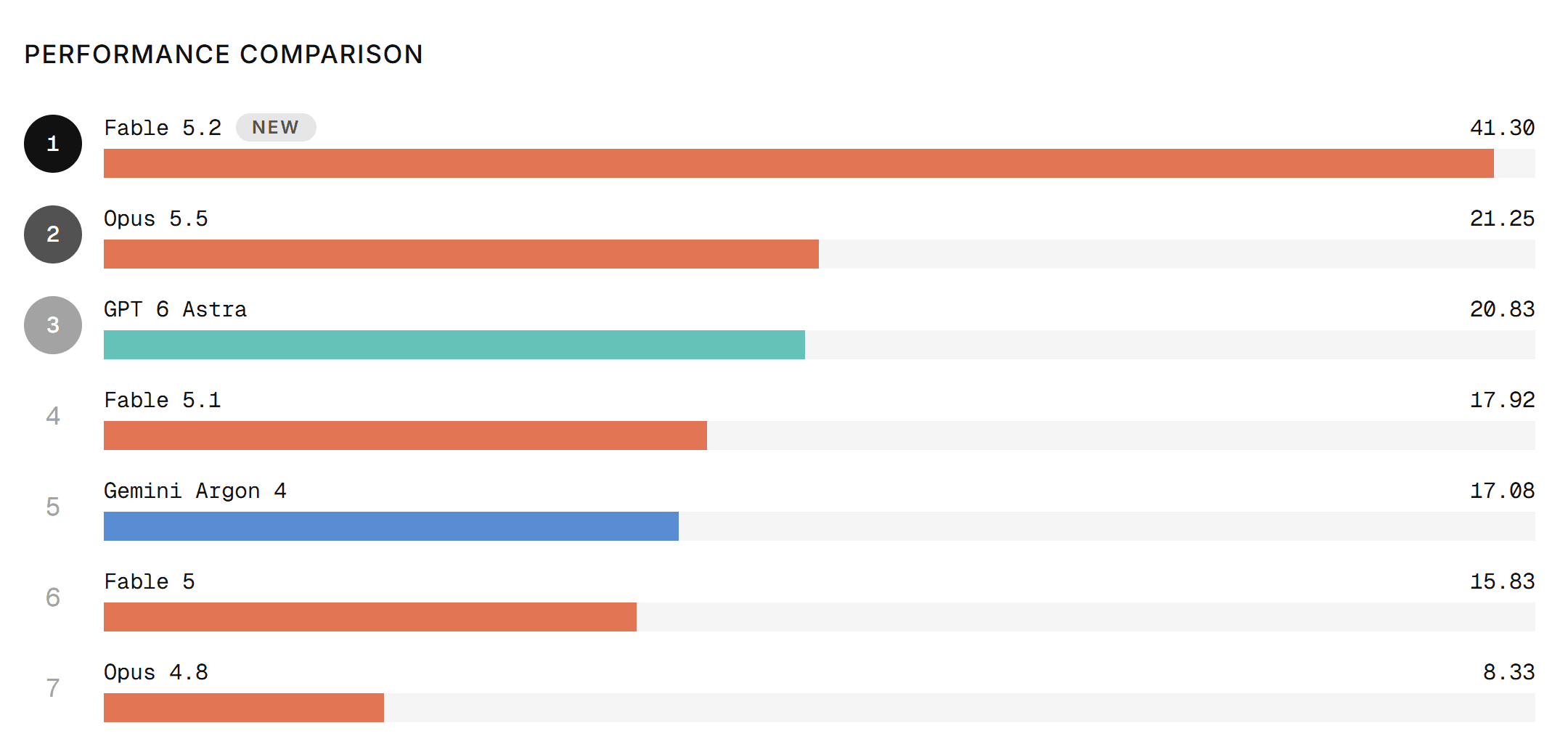
The development of artificial intelligence has reached a new milestone. A study by Scale Labs and the Center for AI Safety (CAIS), known as the Remote Labor Index (RLI), has revealed impressive results from Anthropic's latest model, Fable 5.2. The system successfully completed 41.3% of real-world freelance tasks at a quality level that clients would consider professional work.
Just one year ago, when this testing began, the top AI agents could handle only 2.5% of tasks. Fable 5.2’s current performance indicates that AI has become 16 times more effective. This progress has been particularly rapid in recent months; in July, Anthropic’s previous model, Fable 5, completed 16% of tasks, which was considered a major achievement at the time.
Currently, Fable 5.2 significantly outpaces its competitors. The rankings place Anthropic’s Opus 5.5 in second (21.25%) and OpenAI’s GPT 6 Astra in third (20.83%). Google’s model, Gemini Argon 4, took fifth place with 17.08%. These data points confirm that Fable 5.2 is nearly twice as successful as other leading systems on the market.
What Can the New Model Do?
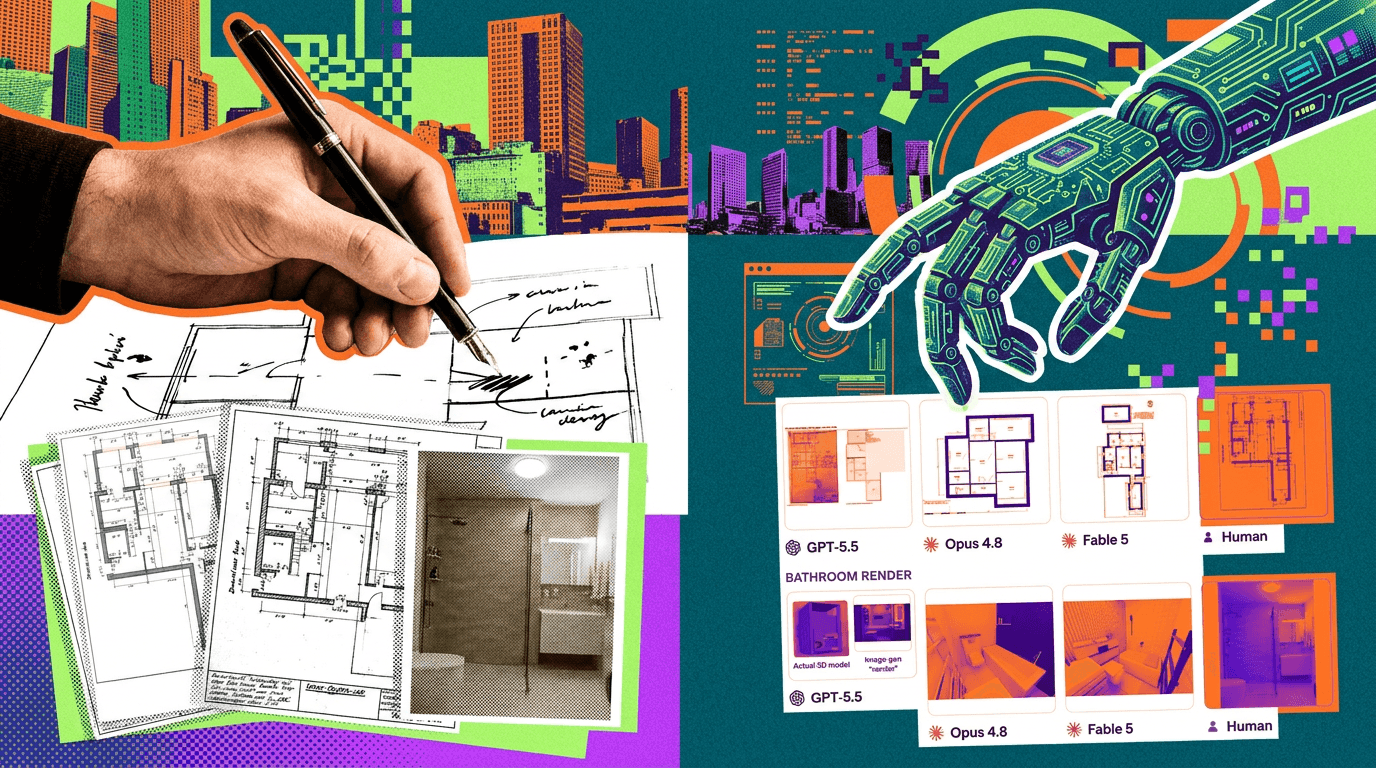
According to Scale Labs, Fable 5.2 is exceptionally effective in audio and music editing, architectural design, interior planning, and 3D modeling. The model successfully handles complex, long-term projects that previous generations of systems often failed to complete. During testing, the AI successfully finished nearly 50 tasks that no other artificial intelligence had previously been able to manage.
Despite this, the system still has weaknesses. It continues to struggle with industrial product design and animation. When an AI agent fails, the result is often incomplete, technically flawed, or of unprofessional quality.
How Are Results Verified?
RLI testing differs from other standard evaluations because it assesses full workflows rather than individual skills. Researchers utilized 240 real projects from the Upwork platform, with a total value of $144,000. On average, humans spend 29 hours on each of these tasks.
Crucially, the results are verified by experienced humans rather than other AI systems. Experts open the files created by the AI in professional software—such as Blender, GIMP, or Audacity—and compare them to similar work performed by humans. Researchers state that AI evaluating AI remains unreliable, as automated systems often fail to notice technical flaws if the work looks visually polished.
This achievement confirms that artificial intelligence is moving ever closer to the real-world requirements of the freelance market. For users and the technology sector, this means that the automation of routine professional tasks will reach an even greater scale in the coming years.