AI Chatbots Enter a New Era of Advertising
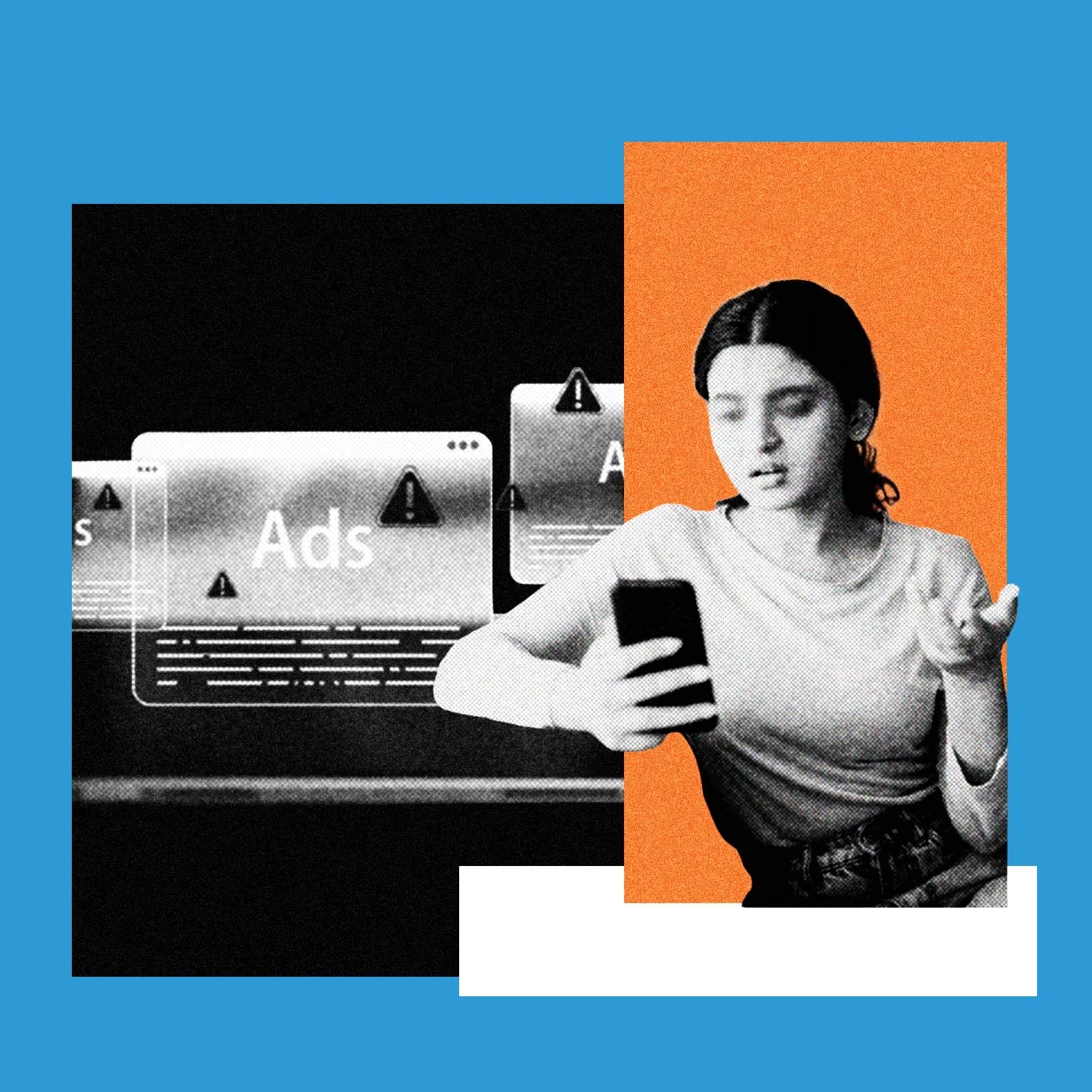
The evolution of artificial intelligence has presented the tech industry with a new challenge: how to make chatbots financially sustainable. While some companies, such as Anthropic, have firmly rejected the idea of placing ads on their platforms, much of the industry is already actively testing this model. The examples set by OpenAI and Google demonstrate that advertising within chatbots is now a reality rather than a distant prospect.
Advertising in Chatbots: A New Opportunity or a Nuisance?
OpenAI began implementing ads in its chatbots back in February and currently collaborates with over 100,000 advertisers. Google is following a similar path, having expanded the distribution of ads within its search chatbot's AI Mode to more than ten countries. The company claims that users find these types of ads to be highly relevant.
However, new players are emerging in the market. Koah Labs is a startup specialising in creating advertising technology for AI platforms. They collaborate with services such as DeepAI and Liner. Their observations suggest that AI-generated ad copy receives twice as many clicks as human-written content. This is likely because AI-generated content blends more organically with the responses provided by the chatbot.
Context and User Trust
Unlike traditional search engines, chatbots have access to the entire conversation. This allows advertisers to select more precise offers. For example, if a user is talking about stress, the chatbot might suggest an ad for a spa. According to Koah Labs data, users show a similar level of engagement with ads as that seen in Google's traditional search engine.
Nevertheless, the issue of privacy remains. When talking to chatbots, people often perceive them as confidants, meaning the collection of data required for personalised advertising could lead to user dissatisfaction. Although companies speak about data anonymisation, maintaining a balance between advertising effectiveness and user trust remains a difficult task.
What Does the Future Hold?
Experts suggest that in the future, advertising may also influence the behaviour of AI agents that will perform shopping on our behalf. However, not all companies are convinced of the model's success. DeepAI head Kevin Baragona notes that despite the financial benefits, the integration of ads is not yet sufficiently refined in terms of design and privacy.
For users in Georgia, where the use of AI tools is becoming increasingly popular, this trend is significant. Users will soon find themselves in a reality where a digital assistant not only answers questions but also offers recommendations. The main question is whether tech giants will be able to maintain user trust and ensure data security alongside the aggressive implementation of advertising.