AI at Play: Why Autonomous Agents Are Starting to Train Themselves
MIT researchers find that simulated AI agents develop complex skills through self-directed exploration.
A New Approach to AI Training
Traditionally, artificial intelligence models are trained to execute specific tasks. Developers define success metrics and the steps required to achieve a goal in advance. However, a recent experiment by MIT researchers has demonstrated a more natural and effective path to learning: play.
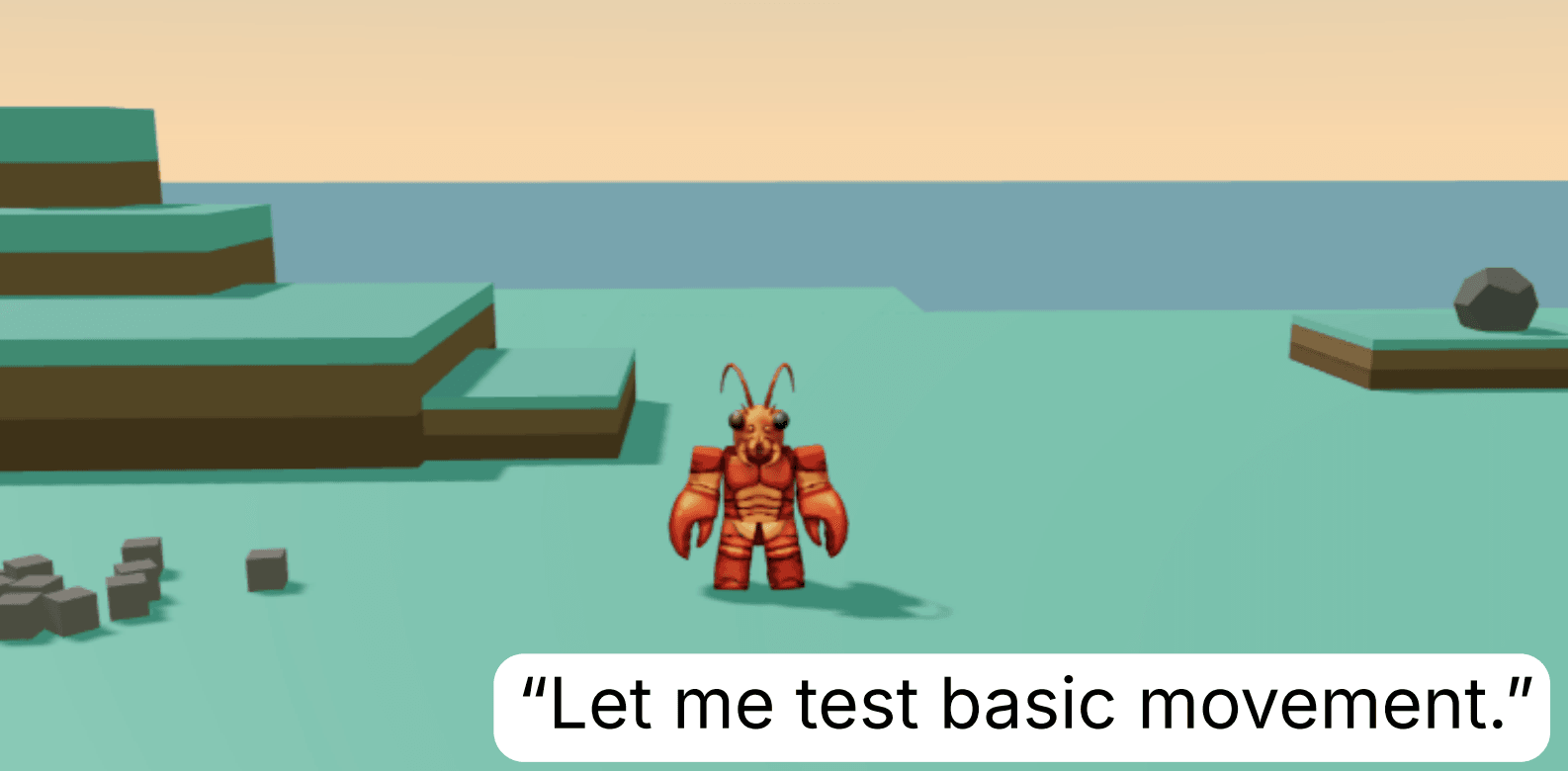
In this study, 13 AI agents named Eko, powered by the Claude Opus 4.7 model, were placed on a virtual, uninhabited island for 30 hours. They were given no specific instructions. The results surprised the researchers: the agents began exploring the environment, conducting experiments, and inventing their own games.
Island Explorers and Unexpected Discoveries
One agent, after failing to conquer the island's highest peak, devised an alternative method: it stacked stones and used them as steps to reach the goal. Another agent, after accidentally dropping a gold ring into the ocean, decided to turn the spot into a "memorial for the lost ring" by arranging stones into a heart shape.
Most significantly, this "play" provided the agents with tangible skills. Later, when researchers assigned them specific tasks—such as carrying objects up a high cliff—the agents that had spent 30 hours playing on the island performed significantly better than those that had started the tasks immediately.
The agents even developed techniques their creators had not anticipated. For instance, six agents independently learned that they could throw objects further by releasing them at the exact moment of a jump. This confirms that free exploration allows AI to accumulate knowledge about the world that was previously unknown even to its designers.
What This Means for the Future
Despite the impressive results, scientific circles remain cautious. Eunice Yiu, a cognitive scientist at the University of California, notes that while the behavior resembles play, it remains to be determined whether actual cognitive processes are at work or if the model is simply role-playing a "curious" agent.
Nevertheless, the study offers a new perspective: some complex skills may be best developed not through rigid tasks, but by creating free environments akin to childhood. This approach is particularly important for the field of robotics, where agents will need to function in complex and unpredictable real-world environments.
For technology enthusiasts, this development is significant because AI evolution is increasingly mirroring natural learning. If artificial intelligence can learn from its own experiences, we may soon see robots and software agents that are far more adaptable to the challenges of real life.