AI Assistant Tolan Secures $30 Million in New Funding
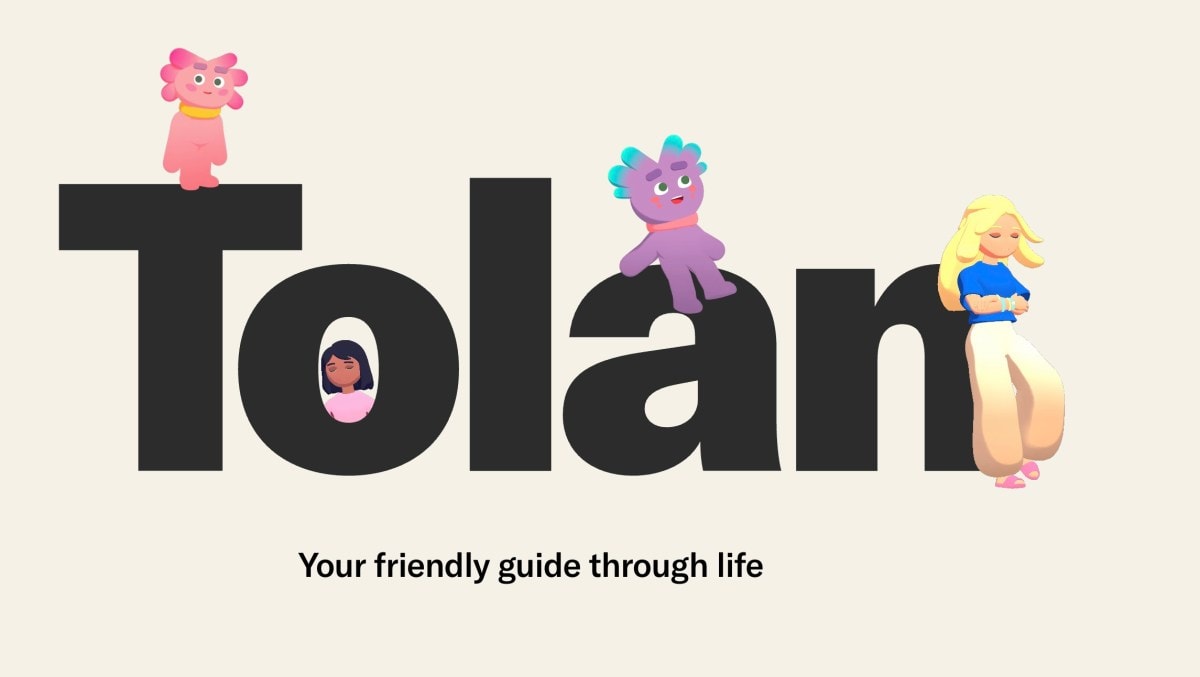
Tolan, an AI startup designed to assist users with daily tasks and provide emotional support, has successfully raised $30 million in a new funding round. The investment saw participation from prominent firms including Union Square Ventures, Khosla Ventures, and Homebrew. This latest injection of capital has doubled the company's total funding, with PitchBook data indicating that its market valuation now exceeds $268 million.
What is Tolan and why is it popular?
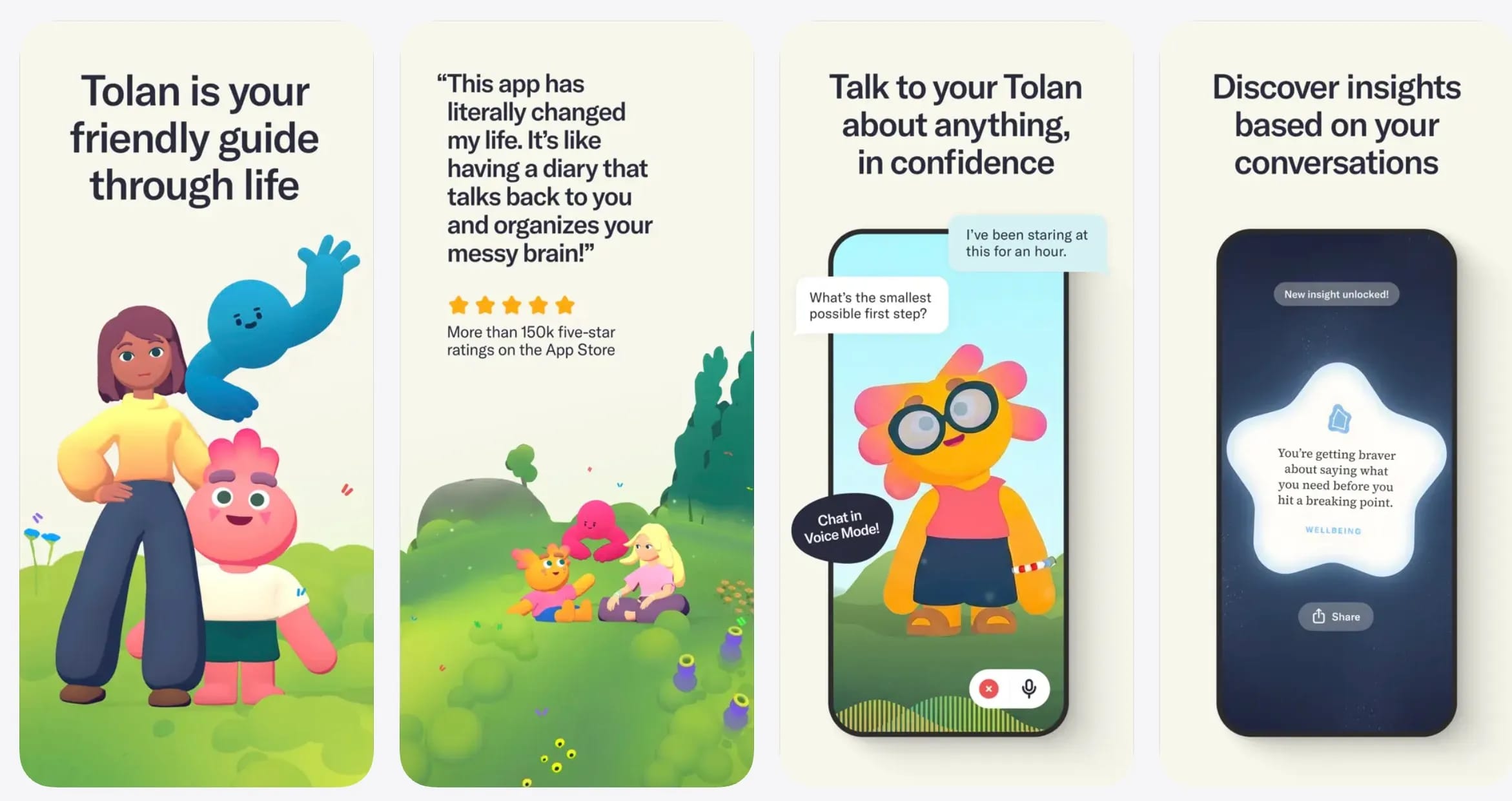
The Tolan application presents itself to users through a cartoon-style persona, acting as a digital companion. The app assists individuals with scheduling, navigating relationships, and maintaining emotional balance. According to the startup, the platform already boasts over 250,000 active users, who engaged in more than 70 million dialogues over the past year. Notably, the application has gained significant traction among neurodivergent individuals who require additional support in managing their daily routines.
Market challenges and competition
The market for AI companions remains volatile. While some projects, such as Character.ai, have faced financial difficulties and neared bankruptcy, Tolan has managed to establish a robust commercial model. The app operates on a subscription basis, allowing the company to generate millions of dollars in revenue. However, competition is intensifying. Meta has already introduced its own AI agent, Muse, which is also focused on user interaction and may eventually be integrated into hardware devices.
Responsibility and safety
Despite its success, platforms like Tolan face significant challenges. Offering emotional support through artificial intelligence carries inherent risks. The industry has already seen several legal disputes where users have claimed that interactions with chatbots negatively impacted their mental health. Consequently, the primary challenge for the startup will be not only expanding its functionality but also maintaining high standards of user safety.
For users who utilize these types of digital assistants, this development is significant. It highlights how personalized artificial intelligence is evolving beyond simple text responses to become a fully integrated part of human daily life.