AI and Accountability: Navigating the Changing Labour Market
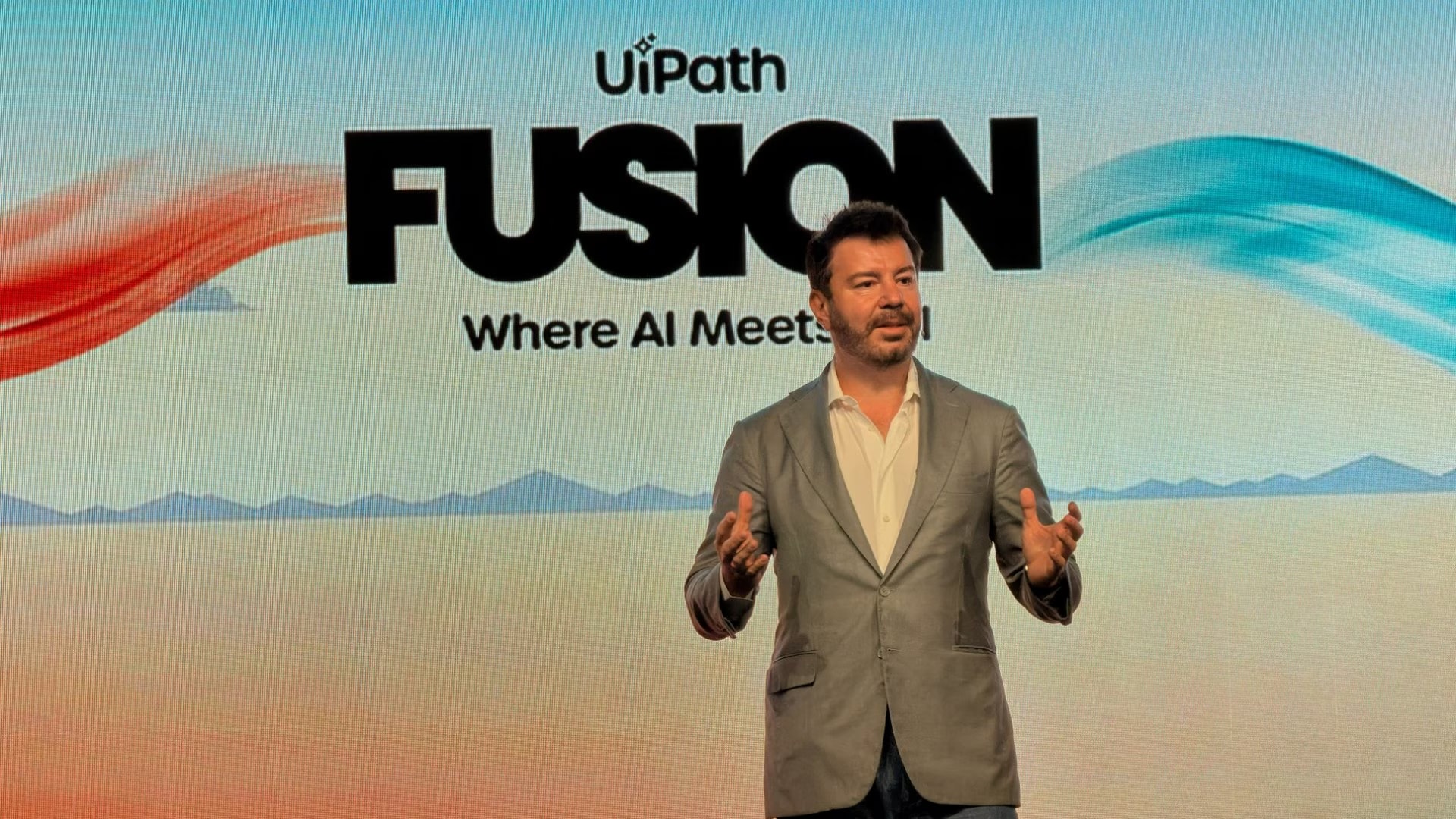
As artificial intelligence continues to evolve, the corporate world is undergoing fundamental shifts. Speaking at an event in Dubai, UiPath CEO Daniel Dines emphasised that while delegating many work processes to AI is becoming inevitable, the human role in management and accountability remains critical. ## Transforming the Education System Dines argues that the modern education system, still rooted in the model of the Industrial Revolution, can no longer address current realities. Historically, the system aimed to prepare disciplined workers to follow instructions from above. However, in an AI-driven world, companies require employees with systemic thinking rather than narrow specialisation. For example, while AI can analyse legal norms, only a human can determine how those laws apply to a company's specific context. ## AI Limitations and Risks The UiPath chief highlights three primary limitations of AI: it does not learn in real-time, it lacks precision, and it requires human oversight. Dines warns businesses that if a task can be performed by standard, reliable software, using AI is not always justified. “Just because AI can do something doesn't mean it should,” he stated. Instead, he suggests AI should be used to generate code that humans then test and control. ## Responsibility and the Next Generation A major point of emphasis is that when a company grants autonomy to AI, the company remains responsible for its actions. Even a seemingly minor email sent by an AI agent can become a legal liability. Therefore, human participation in the management process is essential. Dines also urges companies to continue hiring young talent. He believes that newcomers should work alongside experienced employees from day one to observe how decisions are made. This approach ensures the transfer of knowledge and fosters a sense of responsibility in the next generation. Automation is already being implemented as a business 'shock absorber' in the United Arab Emirates, where banks and government agencies are working on advanced agentic systems. For the business sector in Georgia, this experience serves as an important lesson: technological progress does not mean replacing human resources, but rather demands the development of new skills so that managed systems can provide real value to companies.