Against Artificial Intelligence: Employee Wins Religious Exemption
A humanist employee has set a legal precedent by securing an exemption from using AI at work.
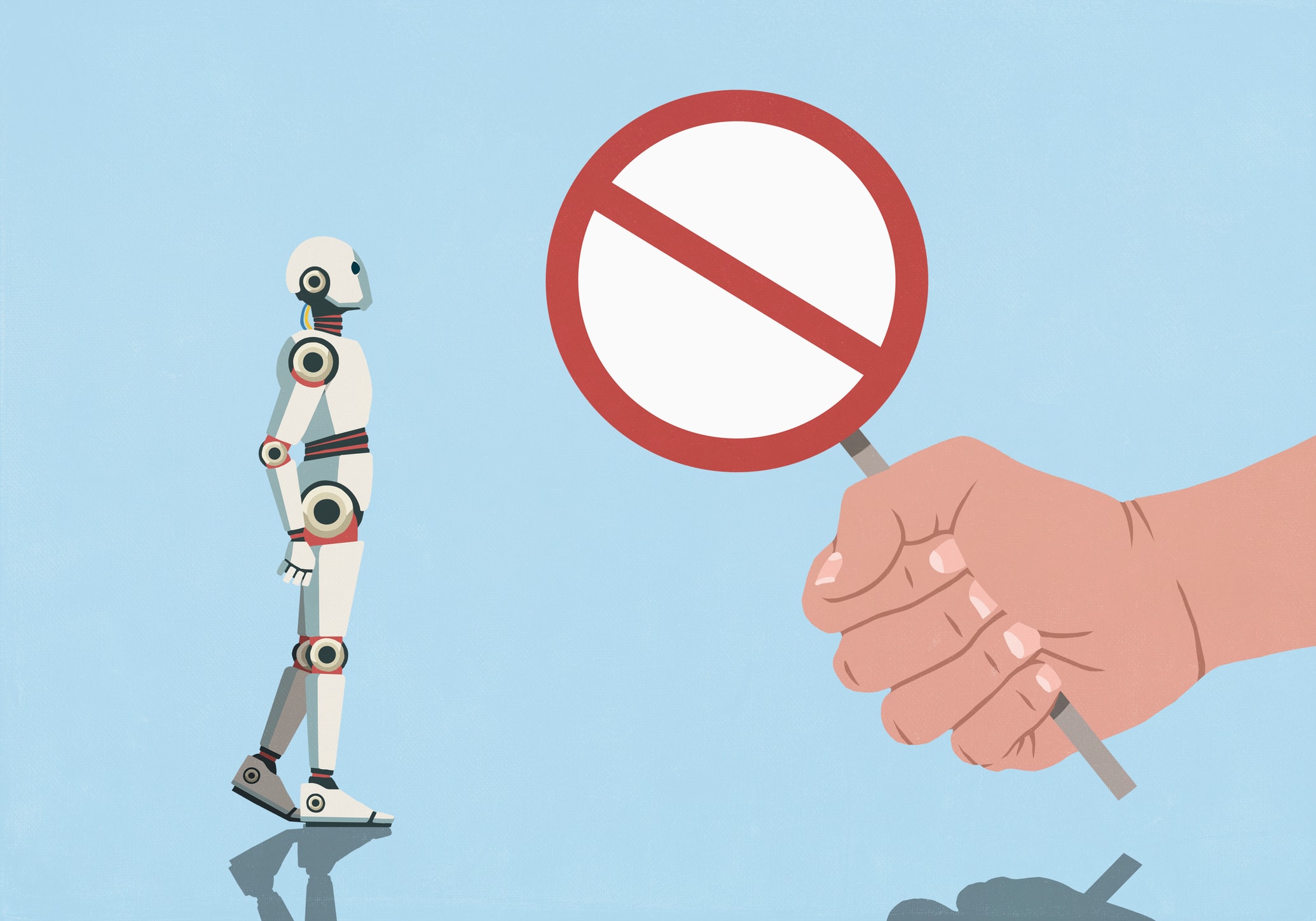
The rapid development and integration of artificial intelligence (AI) into the workplace have raised numerous questions. However, the discourse has moved beyond technological and ethical boundaries into the legal sphere. David Durman, an administrator at the University of Kentucky, has officially secured the right to refuse the use of AI in his workplace, citing a religious exemption principle.
Humanism as a Moral Foundation
Interestingly, Durman is not a follower of any religious denomination. He identifies as a humanist—someone who bases their moral and ethical framework on human well-being, critical thinking, and individual responsibility rather than supernatural forces. "Humanism is a philosophy of human experience and interaction with the world," Durman states. He argues that the excessive use of technology, which diminishes human mental participation, directly contradicts his worldview.
With the support of the American Humanist Association (AHA), Durman demonstrated that the mandatory use of AI violates his beliefs. He maintains that the technology threatens creativity, harms the environment, and replaces the critical thinking that shapes a person as a moral subject.
Precedent and Legal Standards
The University of Kentucky stated that it reviews each such request individually. A university representative noted that in Durman's case, it was possible to create a work environment where he could perform his duties without using AI, without compromising his job functions. This decision is significant as it expands the concept of a "religious exemption" to include non-religious individuals who hold firm moral principles.
A similar precedent was previously set by Erin Maus, a software engineer and follower of Unitarian Universalism. Although the use of AI in programming has become almost standard, Maus successfully defended her beliefs. Durman's case confirms that this right extends not only to programmers but also to those employed in administrative roles.
The Impact on Employees
Durman's goal is not to impose his views on others. He hopes his example will encourage other employees facing similar ethical dilemmas. Lawyers for the American Humanist Association state that it is important for non-religious individuals to know that the law protects them if their deeply held beliefs and principles conflict with workplace conditions.
In Georgia, where the implementation of AI in the private and public sectors is becoming increasingly intensive, such precedents remain rare. However, the issue of employee rights and technological ethics will become more relevant over time. Durman's case clearly shows that in the face of technological progress, individuals have the right to protect their intellectual autonomy and insist on a work environment that aligns with their values.