Adobe Expands Artificial Intelligence Capabilities in Creative Cloud
The company introduced a new MCP standard and advanced AI tools for its flagship applications.
New Features in Popular Applications
Adobe announced a series of major updates during its annual MAX creative conference. The company is continuing to integrate artificial intelligence into its products, with the goal of automating workflows for designers and videographers.
Changes have been implemented across nearly all of Adobe’s core software. Photoshop has gained new lighting editing capabilities and generative style management sliders. Premiere Pro now features a professional colour correction system and the ability to automatically remove unwanted objects from video. Lightroom users can now fix closed eyes in photos and easily remove skin blemishes.
Within the Firefly ecosystem, a new prototyping tool called Builder has been introduced, currently in closed beta. It allows users to quickly create design mockups to visualise ideas. Additionally, Firefly has added a video assembly feature, which creates full video content by combining various clips, images, and sound effects.
Model Context Protocol (MCP) and the Future
Perhaps the most significant announcement is the release of the Model Context Protocol (MCP). This standard will allow platforms such as ChatGPT, Claude, and Gemini to connect directly to Adobe tools. According to Adobe Vice President Deepa Subramaniam, the company does not intend to limit the possibilities that MCP will open; the goal is to simplify the creative process as much as possible.

Adobe is already actively collaborating with various model developers, including Google, OpenAI, Runway, and ElevenLabs. Topaz Labs, recently acquired by the company, also presented two new models: Wonder 4, which focuses on image resolution enhancement, and ImageHDR, which converts standard photos into High Dynamic Range (HDR) format.
What These Changes Mean for Users
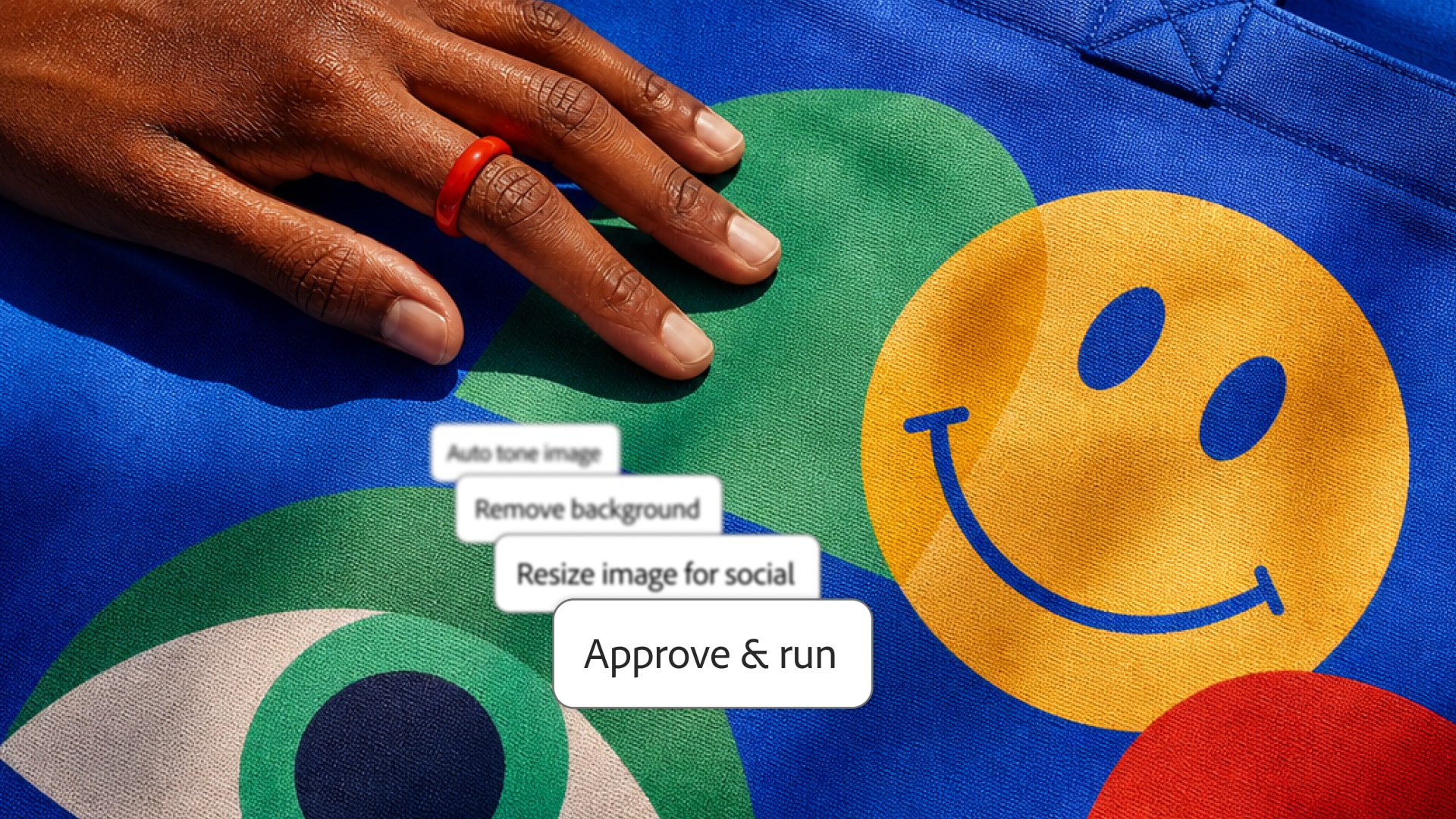
Adobe’s strategy is clear: the company wants its AI agent to be an always-active, context-aware assistant. This means applications will learn more about a user’s working style and proactively suggest actions, such as removing an object from a background or generating an automatic thumbnail for a video.
Although some competitors, such as Figma co-founder Dylan Field, have expressed scepticism regarding the MCP standard, linking it to the interests of larger laboratories, Adobe’s decision will bring significant changes to the industry. For designers and content creators, this means faster and more efficient work, where routine technical tasks are handled by artificial intelligence, leaving more time for the creative process.