Adobe: AI Increases Speed, But Not Creative Quality
Executives emphasize that human vision remains the core of creative success.
The Technological Revolution and the Human Role
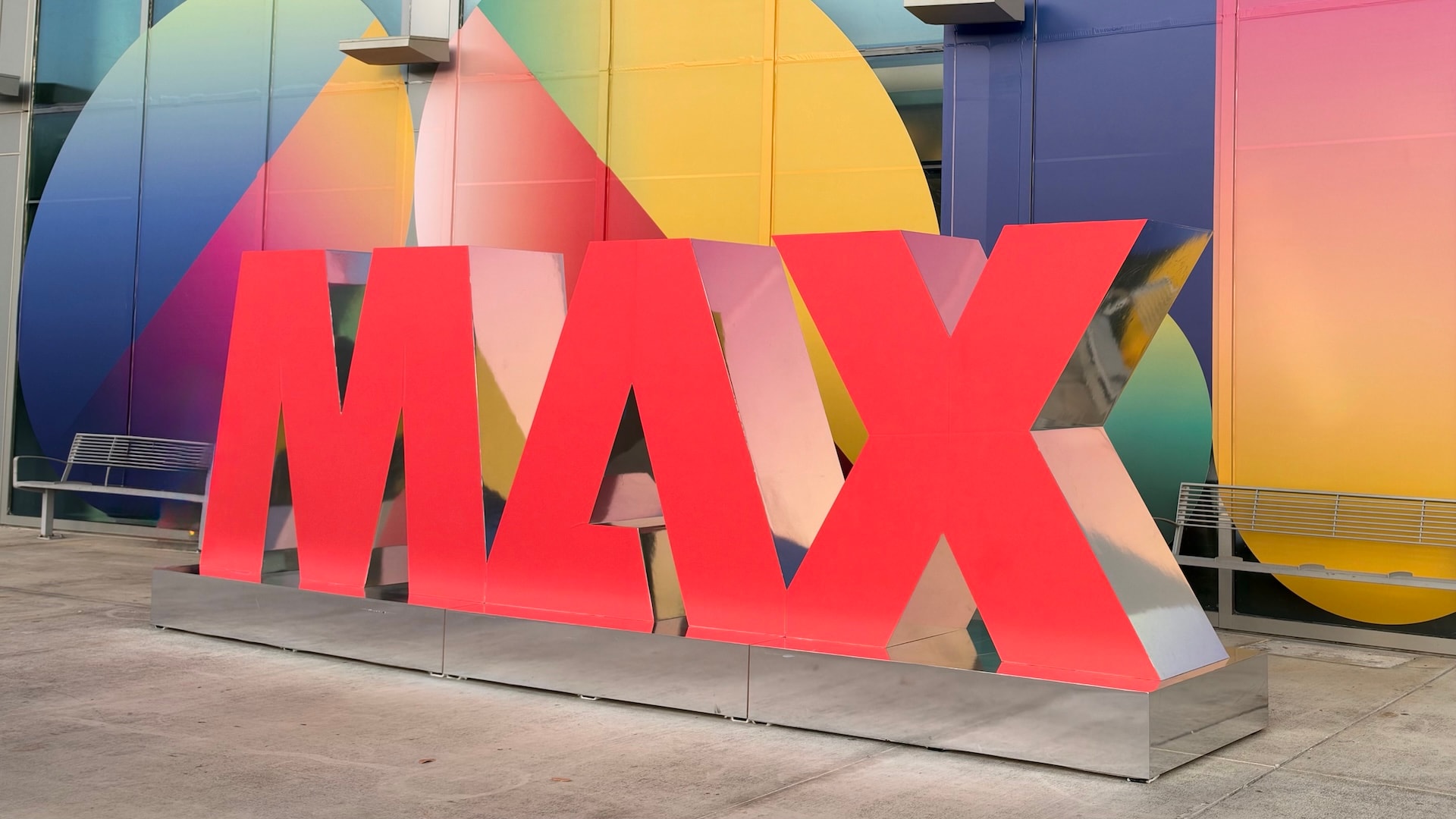
The development of artificial intelligence has fundamentally altered the creative industry. While it is now possible to generate professional-grade content in seconds, Adobe representatives are warning users that speed alone is not a guarantee of success. During a discussion at the company's annual Adobe Max conference, Deepa Subramaniam, Vice President of Product Marketing, and Resh Sidhu, Vice President of Creative, emphasized that AI tools should be viewed only as assistants, not as full replacements for the creative process.
Speed Is Not Strategy
According to Resh Sidhu, "speed is an opportunity, not a creative strategy." While artificial intelligence can generate hundreds of variations on a single theme, the final selection, as well as the assessment of taste and quality, remains a human prerogative. Adobe representatives believe that as content generation becomes more accessible, the decisions, vision, and experience of the human creator become increasingly valuable.
Reducing Technical Barriers
Adobe's strategy is aimed at making complex software more accessible to non-professionals. For example, writers can now visually communicate their concepts without needing to master the complex technical nuances of Photoshop or After Effects. This democratization increases the sheer volume of ideas, which helps companies identify better products.
Despite the reduction in technical barriers, Adobe maintains that expertise remains the primary differentiator. While artificial intelligence breaks down boundaries between specialized capabilities, it also clearly highlights how important human judgment is for creating high-quality content.
What This Means for the Future
Adobe’s position is clear: more content does not mean better content. Artificial intelligence is a tool that enhances human capabilities rather than replacing them. For creators and professionals in the industry, this means that while mastering new technology is important, critical thinking and creative vision remain top priorities. In the future, those who use artificial intelligence as a powerful assistant to realize their own ideas, rather than as a "creator," will be the ones who succeed.