A Week With Firefox: Why Users Are Switching From Chrome
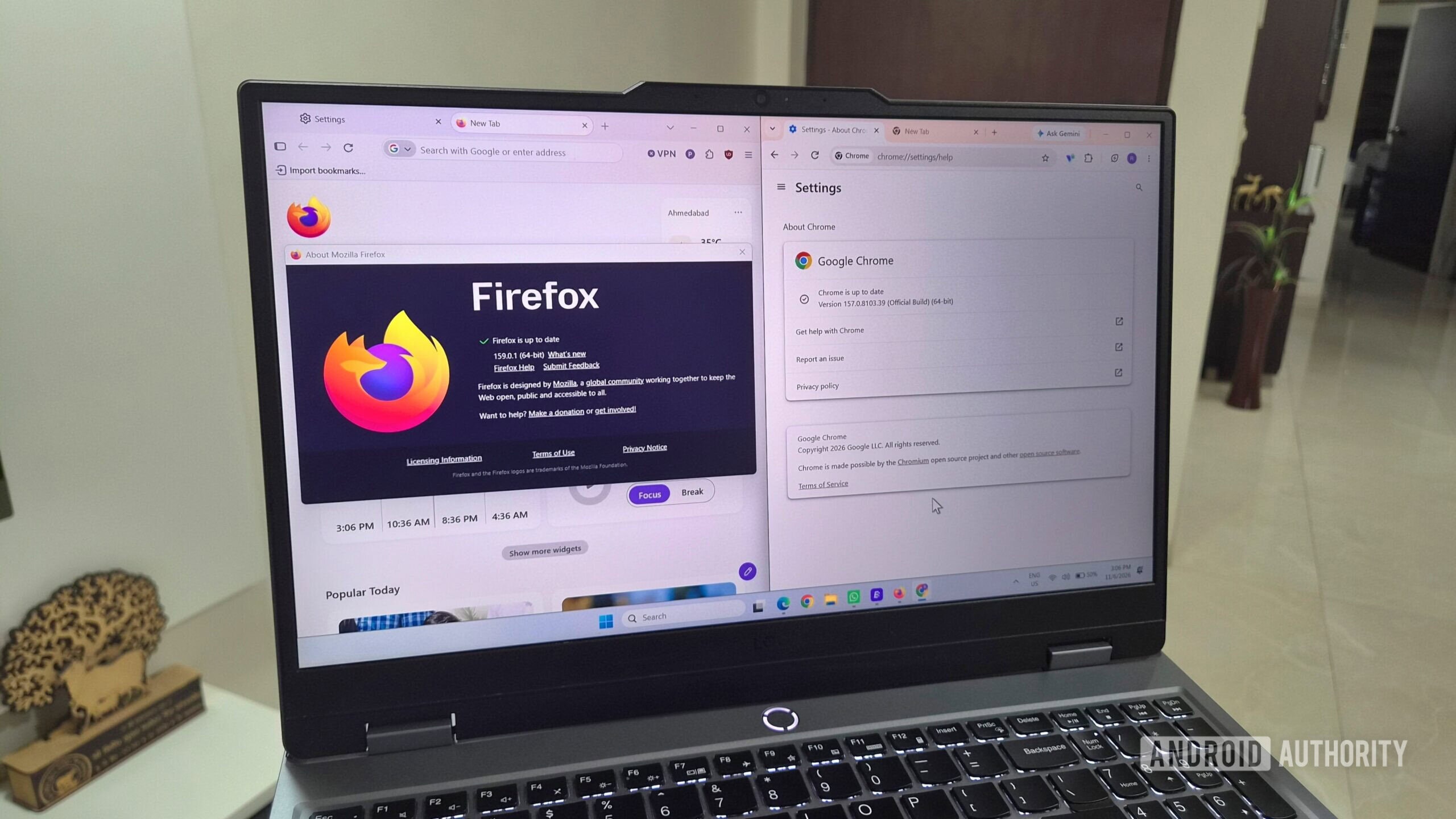
Browser Choice: Why Firefox Stands Out
For years, Google Chrome has been synonymous with web browsing. Its popularity stems from a streamlined interface and deep integration with the Google ecosystem. However, this simplicity carries a price: privacy concerns and heavy system resource consumption. Recently, many users have begun seeking alternatives to escape tracking and to customise their browsing experience to better suit their needs.
The primary advantage of Firefox is its open-source nature. While most browsers on the market are built on the Chromium engine, Firefox is one of the rare exceptions that uses its own technology. This independence shields it from the influence of tech giants and grants users greater control over their personal data.
A Week With Firefox: First Impressions
For a long-time Chrome user, the transition to Firefox feels unusual at first. In Chrome, adding functionality often requires installing extensions or tweaking hidden settings via flags. With Firefox, many essential tools are built-in and work straight out of the box.
After a week of active use, it is clear that Firefox is not only secure but also highly flexible. Its privacy settings, which automatically block third-party trackers, make the browser feel faster and less cluttered. The customisable interface and context menus allow you to organise your workspace exactly as you like without requiring complex technical manipulation.
Why Consider the Switch?
The main difference lies in philosophy. Chrome is designed to keep users comfortable within Google's services, which often involves significant data collection. Firefox, conversely, focuses on user autonomy. If protecting your personal space is a priority and you want a browser that does not drain system resources through excessive tracking mechanisms, Firefox is an excellent choice.
Changing habits is certainly difficult. However, this one-week test confirms that switching browsers is more than just a technical process; it is a conscious choice in favour of digital freedom. For users who are increasingly concerned about cybersecurity, adopting tools like Firefox is an important step toward reducing their digital footprint.